Categories
Animals Breeds Large Animals

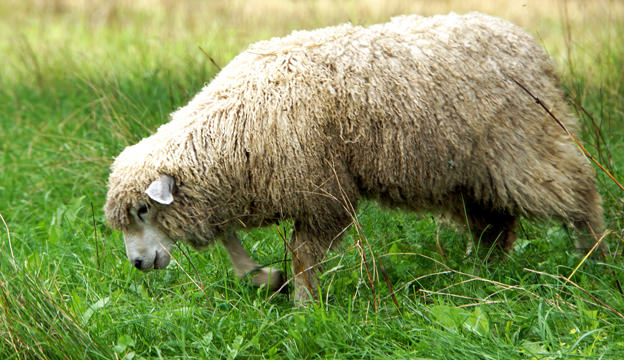
Cotswold Sheep

Use: If you’re a fiber artist or conservator breeder, here is your sheep! The Cotswold is a peerless producer of eight to 12 inch locks of lustrous white or colored fiber (colored Cotswolds are nothing new; one vintage magazine article describes flocks of black Cotswolds in Bourbon County, Kentucky, as early as 1868) in the 33 to 40 micron range; ewes clip about 12 to 15 pounds of fleece. While it’s not a meat breed per se, Cotswold lamb is lean, aromatic, and far less muttony-flavored than that of most fine-wool breeds.

History: Historians believe the Cotswold’s intrepid ancestors already roamed the 280,000-acre Cotswold Hills of Gloucester, England, when Caesar’s legions arrived in 43 A.D. The breed’s name, says William Camden, writing in Britannia (1586), derives from the open hillsides (wolds) and sheepfolds (cotes) that made up their homes; they were also referred to as “Cotswold Lions.” Wealthy wool merchants built Gloucester’s grand houses and churches (including Gloucester Cathedral) during the Middle Ages, and the Crown ransomed Richard the Lionheart with money raised through the sale of Cotswold wool. Cotswolds came to America in 1832 and by 1879 it was North America’s favorite breed; over 760,000 were registered in 1914 alone. Eventually, faster-maturing, fine-fleeced Merinos replaced them and the breed became nearly extinct, both here and abroad. Fortunately, thanks to interest generated by the American Rare Breeds Conservancy (ALBC) and Britain’s Rare Breeds Survival Trust (RBST), the breed was saved, although it’s still in the Threatened (“Fewer than 1,000 annual registrations in the United States and estimated global population less than 5,000”) category of the ALBC Conservation Priority List and the At Risk section of the RBST Watchlist.

Conformation: Cotswolds are tall, substantially-built sheep; rams run 250 to 300 pounds in weight, ewes between 190 and 225 pounds. They have semi-open faces set off with a topknot of long wool, as well as wooly legs.

Special Considerations/Notes: Cotswolds are excellent mothers that aren’t prone to birthing problems and they’re quick to accept their lambs. The breed does well on good pasture and coarser feeds. It’s easy to raise with certain caveats: Cotswold fleece tends to mat (“cot”) unless its wearer is kept reasonably clean and since it parts down the middle of the sheep’s back, it affords little protection from hard, cold, rain.

Categories
Crops & Gardening Uncategorized

Bull’s Heart Tomato

Photo Credit:

Size: 1 to 2 pounds

Sunlight requirements: Full (A minimum of six to eight hours per day is ideal.)

Water requirements: A minimum of 1 inch per week — water the root zone as needed and keep foliage dry to deter foliar diseases. Proper mulching aids in prevention of blossom end rot, drought stress and other issues associated with fluctuations in soil-moisture levels.

Soil requirements: Well-drained soil rich in organic matter is best. Soils high in nitrogen will result in excessive foliage growth at the expense of good fruit production.

When to plant: Plant in spring after the danger of frost has passed and nights remain warmer than 55 degrees Fahrenheit. Seeds should be started indoors under lights four to six weeks before transplanting outdoors.

Where to plant: Garden; containers (8 gallons minimum)

When to harvest: 87 days after transplanting.

Produce storage: Use for sauces and freeze or store at room temperature

Categories
Breeds Crops & Gardening Urban Farm Urban Farming

Witch Hazel

Size: Shrub or small tree and can grow to 15 feet tall.

Sunlight requirements: Full sun to partial shade

Water requirements: Regular watering, especially in dry weather

Soil requirements: Witch hazel will thrive almost anywhere – even in heavy, clay soils – and it can tolerate neutral to acidic soils.

When to plant: Because witch hazel seeds require some special treatment and a very long germination period, it’s easiest to propagate this unusual herb via cuttings.

Where to plant: Garden; containers

When to harvest: Prune fresh twigs from shrubs as soon as they flower, which can be from October through April.

Produce storage: Strip leaves and flowers from twigs and dry for sachets or potpourri. Chop twigs into chips/mulch and boil according to tonic recipe. Store tonic in sealed glass jars.

Categories
Breeds Crops & Gardening Urban Farm Urban Farming

Lavender

Size: Can grow up to 3 feet tall.

Sunlight requirements: Full sun.

Water requirements: Plenty of water until roots are established, plenty of water for containers.

Soil requirements: prefers a light, well-draining soil with a pH of 7.1.

When to plant: Because it has a very long germination period, it can be tricky to start lavender from seed. Instead, plan to propagate new starts from cuttings of established plants or to purchase bedding plants.

Where to plant: Garden; containers

When to harvest: When flowers are of good color and prior to flower buds fully opening. Harvest flower buds and stems when they are dry. Wait until after a couple of days of dry weather has passed.

Produce storage: Bundle in bunches and hang upside down. Place in a dark, cool but well-ventilated place. Store fried flower buds in airtight container away from light.

Categories
Breeds Crops & Gardening Urban Farm Urban Farming

Feverfew

Size: 2 to 3 feet tall

Sunlight requirements: Best in full sun, but does tolerate partial shade

Water requirements: water regularly

Soil requirements: Average, well-drained soil with a pH of 6.3

When to plant: Indoors: seeds can be planted in February; Outdoors: Spring

Where to plant: Garden; containers

When to harvest: Between July and August. Harvest flowers at full bloom.

Produce storage: Dry flowers upside down in dark, dry and airy place. Dry or freeze leaves.

Categories
Breeds Crops & Gardening Urban Farm Urban Farming

Chamomile

Size: German chamomile 2 to 3 feet; Roman chamomile 9 inches to 1 foot

Sunlight requirements: Full sun or light shade

Water requirements: Occasional watering, more once in bloom

Soil requirements: Sandy, well-drained soil; German 6.7 pH and Roman 7.0 pH

When to plant: Spring

Where to plant: Garden; containers

When to harvest: When blooms in summer

Produce storage: Dry indoors in a warm, well-ventilated place. Direct sunlight harms chamomile oils. Store in sealed container.

Categories
Breeds Crops & Gardening Urban Farm Urban Farming

Calendula

Size: Grows 1 to 3 feet high

Sunlight requirements: Full sun, but will tolerate some shade

Water requirements: Regular watering

Soil requirements: Prefers a soil pH of 6.6 and average, well-draining soil

When to plant: Spring to early summer

Where to plant: Garden; containers

When to harvest: Pick of the flowers when they reach their prime, in the morning after the dew dries.

Produce storage: Dry flowers on screens in the shade. Store the dried flowers in glass jars or plastic bags.

Categories
Breeds Crops & Gardening Urban Farm Urban Farming

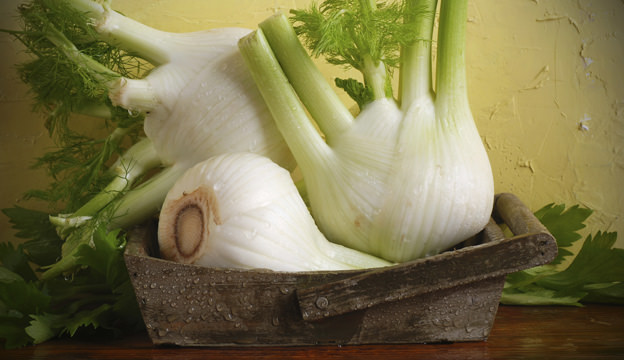
Florence Fennel

Size: Stems grow 2 to 3 feet tall

Sunlight requirements: Best in full sun

Water requirements: One to three times a week

Soil requirements: Moist, well-drained soil with a pH of 5.5 to 7.0

When to plant: After date of the last frost or six to eight weeks before the first frost

Where to plant: Garden area with full sun exposure

When to harvest: When bulbs are no more than 3 inches across

Produce storage: Wrap bulbs in plastic, and store in a cool place

Categories
Breeds Crops & Gardening Urban Farm Urban Farming

Ginger

Size: 2 to 4 feet tall

Sunlight requirements: Shady environment away from direct sunlight

Water requirements: Regular and frequent watering; Indoor specimens should be regularly misted

Soil requirements: Rich, well-drained soil

When to plant: Spring

Where to plant: In a pot filled with rich potting mixture

When to harvest: After three to four months

Produce storage: In dry cupboard or refrigerator

Categories
Breeds Crops & Gardening Urban Farm Urban Farming

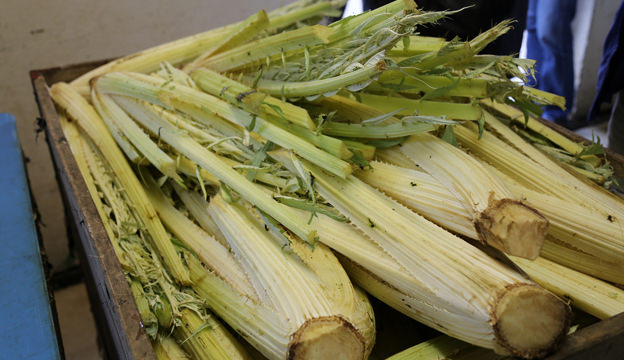
Cardoon

Size: About 4 feet tall and 2 feet wide

Sunlight requirements: Full sun, though partial shade is tolerated

Water requirements: Regular watering

Soil requirements: Well-drained soil rich in organic matter with a pH of 6.0 to 7.0

When to plant: Early spring

Where to plant: Sunny, sheltered site

When to harvest: Three to four weeks after harvest. Trim off roots, and remove outer leaves

Produce storage: Cool shed or cellar