Categories
Breeds Crops & Gardening Urban Farm Urban Farming

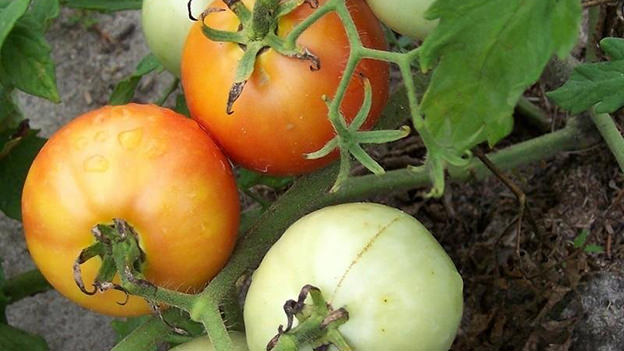
Jet Setter Tomato

Size: Indeterminate vines grow large unless pruned; they produce 8-ounce red fruits.

Sunlight requirements: Full sun (A minimum of six to eight hours per day is ideal.)

Water requirements: A minimum of 1 inch per week—water the root zone as needed and keep foliage dry to deter foliar diseases. Proper mulching aids in prevention of blossom end rot, drought stress and other issues associated with fluctuations in soil-moisture levels.

Soil requirements: Well-drained soil rich in organic matter is best. Soils high in nitrogen will result in excessive foliage growth at the expense of good fruit production.

When to plant: Transplant in spring, after the danger of frost has passed and nights remain above 55 degrees Fahrenheit. Start seeds indoors under lights four to six weeks before transplanting.

Where to plant: Garden; containers (8-gallon minimum)

When to harvest: 64 days from transplanting.

Produce storage: Store at room temperature for best flavor.

Categories
Breeds Crops & Gardening Urban Farm Urban Farming

Big Beef Tomato

Size: Indeterminate vines grow very large unless pruned; they produce 6-inch, round, red fruits weighing 10 or more ounces.

Sunlight requirements: Full sun (A minimum of six to eight hours per day is ideal.)

Water requirements: A minimum of 1 inch per week—water the root zone as needed and keep foliage dry to deter foliar diseases. Proper mulching aids in prevention of blossom end rot, drought stress and other issues associated with fluctuations in soil-moisture levels.

Soil requirements: Well-drained soil, rich in organic matter. Soils high in nitrogen will result in excessive foliage growth at the expense of good fruit production.

When to plant: Transplant in spring, after the danger of frost has passed and nights remain above 55 degrees Fahrenheit. Start seeds indoors under lights four to six weeks before transplanting.

Where to plant: Garden; containers (8-gallon minimum)

When to harvest: 80 to 85 days from seed.

Produce storage: Store at room temperature for best flavor.

Categories
Breeds Crops & Gardening Uncategorized Urban Farm Urban Farming

Celebrity Tomato

crop-profiles/celebrity_johnny_300.jpg

Photo Credit: Courtesy JohnnySeeds.com

Size: Red, round fruit are medium-sized, averaging 8 ounces. Determinate vines can reach 5 to 6 feet in height; little or no pruning is required.

Sunlight requirements: Full sun (A minimum of six to eight hours per day is ideal.)

Water requirements: A minimum of 1 inch per week—water the root zone as needed and keep foliage dry to deter foliar diseases. Proper mulching aids in prevention of blossom end rot, drought stress and other issues associated with fluctuations in soil-moisture levels.

Soil requirements: Well-drained soil, rich in organic matter. Soils high in nitrogen will result in excessive foliage growth at the expense of good fruit production.

When to plant: Transplant in spring, after the danger of frost has passed and nights remain above 55 degrees Fahrenheit. Seeds should be started indoors under lights four to six weeks before transplanting.

Where to plant: Garden; containers (5-gallon minimum)

When to harvest: 95 to 100 days from seed.

Produce storage: Store at room temperature for best flavor.
Categories
Breeds Crops & Gardening Uncategorized Urban Farm Urban Farming

Champion Tomato

crop-profiles/champion_seminis_300.jpg

Photo Credit: Courtesy Seminis Vegetable Seeds, Inc.

Size: Indeterminate vines continue to grow until frost; unless regularly pruned, plants will reach up to 8 feet in height. Bright-red fruits weigh 8 to 12 ounces.

Sunlight requirements: Full sun (A minimum of six to eight hours per day is ideal.)

Water requirements: A minimum of 1 inch per week—water the root zone as needed and keep foliage dry to deter foliar diseases. Proper mulching aids in prevention of blossom end rot, drought stress and other issues associated with fluctuations in soil-moisture levels.

Soil requirements: Well-drained soil, rich in organic matter. Soils high in nitrogen will result in excessive foliage growth at the expense of good fruit production.

When to plant: Transplant in spring, after the danger of frost has passed and nights remain above 55 degrees F. Seeds should be started indoors under lights four to six weeks before transplanting.

Where to plant: Garden; containers (8-gallon minimum)

When to harvest: 70 days from transplanting.

Produce storage: Store at room temperature for best flavor.

Categories
Breeds Crops & Gardening Urban Farm Urban Farming

Cilantro

Size: Foliage is 6 to 12 inches in height; flowers reach up to 24 inches in height.

Sunlight requirements: Full sun (A minimum of six hours of direct sunlight is ideal, though it will tolerate partial shade in summer.)

Water requirements: About 1 inch of water per week

Soil requirements: Average, well-drained garden soil, high in organic matter

When to plant: Cilantro is a cool-season crop, and it will bolt (or go to flower) as the weather warms. Sow seeds directly in the garden in early spring for an early summer harvest. Make a second sowing in late fall for an early harvest the following spring. If you allow your cilantro to flower, the resulting seeds (coriander) are another important culinary herb.

Where to plant: Garden; containers

When to harvest: Harvest leaves before the flowers emerge, when their flavor changes. Frequent light to moderate harvests will result in more new growth and subsequent harvests.

Produce storage: Store unwashed in plastic bags in the refrigerator for up to 14 days.

Categories
Breeds Crops & Gardening Urban Farm Urban Farming

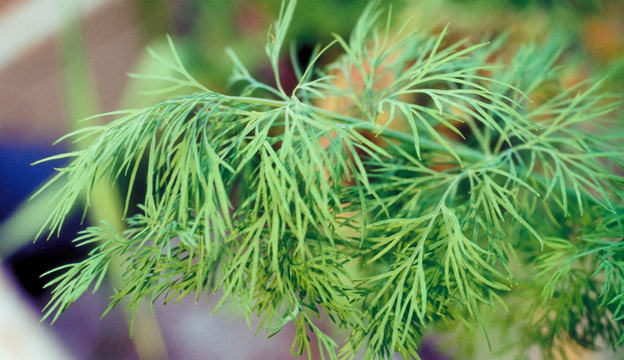
Dill

Size: 24 to 36 inches at maturity

Sunlight requirements: Full sun (A minimum of six hours is ideal.)

Water requirements: About 1 inch per week

Soil requirements: Average garden soil with moderate amounts of organic matter

When to plant: Dill is easy to grow from seed planted directly in the garden in early spring or in fall. Although an annual, it will readily reseed on its own, sometimes a bit too vigorously.

Where to plant: Garden; containers

When to harvest: Foliage (also called “dill weed”) can be harvested throughout the season. Seeds should be harvested after they’ve dried on the plant. Some recipes call for dill flowers—these can be harvested anytime before seeds have been produced.

Produce storage: Store foliage and flowers unwashed in a plastic bag in the refrigerator for up to two weeks. Seeds should be dried thoroughly on the plant, then laid out on paper towels for 10 to 14 days before being packed into canning jars or zipper-top plastic bags.

Categories
Breeds Crops & Gardening Urban Farm Urban Farming

Sage

Size: 12 to 24 inches, depending on variety

Sunlight requirements: Full sun (A minimum of six hours of direct sunlight is ideal.)

Water requirements: About 1 inch of water per week

Soil requirements: Average, well-drained garden soil, high in organic matter

When to plant: Sage is a perennial herb. Plant young, nursery-bought transplants anytime during the growing season. If growing from seed, start indoors about eight to 10 weeks before the last expected frost. Plant outdoors after the danger of frost has passed and the soil has warmed.

Where to plant: Vegetable garden; herb garden; containers with other herbs

When to harvest: Harvest leaves as necessary, but try not to harvest more than one third of the plant at one time. Frequent light to moderate harvests encourage fresh, new growth and a bushier plant. Harvest before flowering for optimum flavor.

Produce storage: Store unwashed in a sealed plastic bag in the refrigerator, or dry it in a food dehydrator or by hanging small bunches upside down in a dry, cool place for one month. Store dried sage in canning jars or zipper-top, plastic bags.

Categories
Breeds Crops & Gardening Urban Farm Urban Farming

Arugula

Size: 12 to 18 inches at maturity; once plant has bolted (or gone to flower), flower stalks stand several inches higher than the foliage.

Sunlight requirements: Full sun to partial shade; prefers some shade during hot summer months

Water requirements: About 1 inch of water per week

Soil requirements: Average, well-drained garden soil, rich in organic matter; optimum pH of 6.5. When to plant: Direct-seed in spring or early fall. Arugula is a cool-season crop and will bolt when the days get longer.

When to plant: Direct-seed in spring or early fall. Arugula is a cool-season crop and will bolt when the days get longer

Where to plant: Garden; containers

When to harvest: About 35 days after seeding. Harvest often by cutting off the outermost leaves. Young leaves are best fresh, while mature leaves are delicious braised or sautéed. Flavor is best before the plant bolts, as the flowering process alters it.

Produce storage: Store unwashed or washed and dried arugula in sealed plastic bags in the refrigerator for up to 10 days.

Categories
Breeds Crops & Gardening Urban Farm Urban Farming

Bok Choy

Size: 4 to 12 inches tall

Sunlight requirements: Full to partial sun (A minimum of four to six hours is ideal.)

Water requirements: About 1 inch per week.

Soil requirements: Average, well-drained soil high in organic matter and rich in nitrogen

When to plant: Direct-seed in early spring; for autumn harvests, plant again in late July or early August

Where to plant: Garden; containers

When to harvest: 40 and 50 days after planting

Produce storage: Store in a plastic bag in the refrigerator for one to two weeks.

Categories
Breeds Crops & Gardening Urban Farm Urban Farming

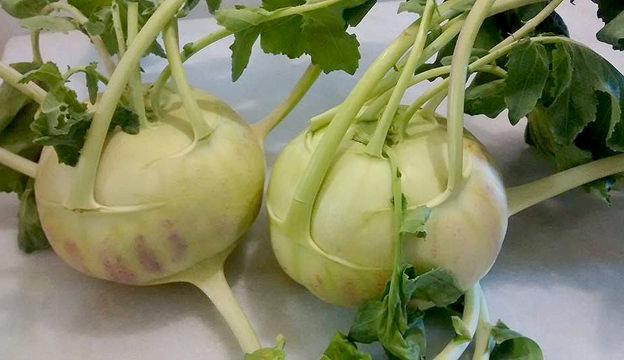
Kohlrabi

Size: 12 to 24 inches tall

Sunlight requirements: Full sun (A minimum of four to six hours is ideal.)

Water requirements: About 1 inch per week

Soil requirements: Moderately rich, fertile soil is best. An average pH of 6.5 is preferred.

When to plant: Direct-seed as soon as the ground can be worked for spring harvest; direct-seed in late July and early August for autumn harvest.

Where to plant: Garden; containers

When to harvest: Harvest when the above-ground bulb reaches about 3 inches in diameter. More mature bulbs may be tough and woody.

Produce storage: Store unwashed in a plastic bag in the refrigerator, leaves removed, for several weeks.