Categories
Equipment Farm & Garden

3 Less Obvious Tools You Need On Your Farm

Everyone knows a farm needs a tractor (or maybe an ATV). And it doesn’t take a tool expert to know that basic hand tools (shovels, rakes, etc.) are practically a prerequisite for living on a farm.

But the list of tools needed to thoroughly flesh out a farm toolbox goes on and on, encompassing many obscure (but no less useful) tools you’re bound to need at one time or another. Sometimes you don’t even realize you need them until you read about them and think, “Oh, that would be useful.”

With this in mind, let me introduce you to three tools that are less obvious than shovels and rakes, but nevertheless abundantly useful in their own underrated ways.

1. Snap Ring Pliers

Snap ring pliers might be the handiest tool you’ve never heard of, at least in very specific circumstances. Snap ring pliers aren’t as versatile as regular pliers, but for two jobs—installing and removing snap rings—they’re lifesavers.

Snap rings are finicky little rings that snap into position and hold things together. For example, the front wheels on my garden tractor are held in place with snap rings. Removing a snap ring requires inserting a pair of small prongs into two small holes, and then widening or narrowing the distance between the prongs to expand or contract the snap ring.

This is where the snap ring pliers come into play, providing and controlling the necessary prongs.

Installing or removing a snap ring is almost impossible without snap ring pliers. Believe me, I’ve tried. It’s possible you’ve encountered snap rings without realizing there’s a special tool for handling them. So if I’ve opened your mind to the possibilities … you’re welcome.

Enjoy the time you’ll save by handling snap rings with the right tool.


Read more: Snap ring pliers prove the need for the right tool for a job.


2. Bungee Cords

Bungee cords are versatile. And awesome. And I have dozens in various lengths around my farm, because there are so many ways to put these essential farm tools to use.

A typical bungee cord is an elastic band or rope with a hook on either end. Depending on their length, they can hold down tarps, or tie down wagonloads of brush, or keep hay bales from falling off a sled in winter, or bind an elevated garden bed to a fence so it won’t blow over in the wind. I’ve used bungee cords in all these ways and more.

You never know when bungee cords might come in handy, so buy a mixed set of various lengths and keep them around. You might be surprised how often you find yourself using them.


Read more: Consider these 4 features when buying bungee cords.


3. Digging Bar

The definition of a digging bar can be a bit vague, but it’s basically a heavy steel bar measuring 5 to 6 feet long with something useful at each end. Maybe that’s a wedge, or a chisel, or a tapered point, or a flat circle used for tamping.

In any case, a digging bar is useful for far more than just digging. True, I’ve put them to good use as levers to pry large rocks out of the ground when installing fence posts or planting trees. But I actually use my digging bars far more often in winter. They’re heavy enough to break up hard ice layers, and the tamping end makes an effective battering ram for bursting open frozen doors. It might sound extreme, but when cold nights follow warm days, a few blows from a digging bar can be the quickest way to get doors unstuck.

So there you have it. Snap ring pliers are perfect for one task, bungee cords are ideal for many, and digging bars are actually winter weather wonders. Three tools, many uses, all worth having around.

Categories
Crops & Gardening Farm & Garden Foraging

Get Chuffed for Chickweed’s Soothing Properties

Chickweed might be the most universally tasty and versatile fresh wild edible that I know of. It’s the best for everyday eating—raw, by itself or as an addition to salad. It can be a spinach substitute for iron content in any soup or sauce recipe.

Chickweed also has helpful properties for healing skin. It has a drawing action when applied topically that can aid removal of  foreign objects like splinters or an insect sting, or damaged tissue at risk of infection in a small irritable wound. When used as a fresh poultice it will take the heat out too. It will cool inflammation and soothe even the inner linings of the mouth, gums, esophagus and stomach as you eat it.

I also appreciate its high nutritive vitamin content and will dry the leaves for use as a powdered addition to soups and nutritive teas, as well as in topical solutions. It emerges early in spring and often appears to be crawling along the ground, though it can stand up leaning among grasses and other flowering creepers. Depending on moisture and sunlight, a chickweed plant could stay short,  flower and go to seed within a matter of weeks.

So now (or when you find it) is the time to get it!

An On-the-Fly Poultice

To make a poultice on the fly in the field, grab a chewing gum-sized amount and chew it four to five times, then spit out a wad of plant (and spit). This green ooze can be placed right on the skin where the bug just bit or thorn just stabbed.

Once the hot, irritated feeling subsides and you start to feel relief, keep holding the homemade poultice to your bite while you shove another bit of fresh chickweed into your mouth. Keep the first poultice in place until the heat or irritability returns to your skin, wipe off the first and stick on the new one from your mouth.

Doing this as often as you need (or have patience for) will almost instantly relieve your irritation. You can pretty much guarantee that spot will not haunt you for days but be cleared up by evening or the next day.


Read more: Lamb’s quarters are a controversial forage find.


Identifying Chickweed

The Latin name, Stellaria media, is given for the star shape of its flowers, which are tiny (see reference pictures above and below). Some could flower earlier in a dry, sunny situation. Some may run along the ground, making longer stems and leaves, and seeming more succulent as they contain more water in their leaves and stems before they flower and go to seed.

chickweed

Several species are known in the Stellaria family. Some are fuzzy, but the common chickweed’s smooth leaves are much more palatable to the tongue’s proclivities.

As always, find a knowledgeable person to help you identify it at first before harvesting.

The leaves are hard to distinguish from plenty of other diminutive spring wild flowers if you haven’t trained your eyes to their patterns. But in general look for a creeping mat; pull one stem, which should run along far from its central growth area with several other stems. These “clumps” form “mats” that form what seems like a carpet of chickweed from plant to plant.

And of course those white dainty flowers should be there. However it takes a close attention to the details of their petals and arrangement to tell the difference between them and, say, mustards!

Harvesting Chickweed

You can harvest the upper part of this plant any time. The tiny seeds are also edible, but quite crunchy. When drying I typically bundle them into a paper bag and, once the leaves have dried, I give them a shake. Most of the flowers and seed pods have matured to seed, which accumulates in the bottom of the bag.

Once I remove the green plant material, I can take that bag out and shake it over a patch of soil that might need something growing in it, or an area where I want the chickweed to compete so that I have more salad in the fall. It can easily sow itself.

If you don’t have chickweed in your front yard, you might easily find a gardener friend or neighbor who is happy for you to clear their garden beds around this time of year (also keep an eye out for ground ivy and cleavers). Chickweed likes moist mulch and rich garden soil, but the plant competes well even in a dry, shady location. It emerges early in spring and is opportunistic when flowering forbs have gone to seed or a garden has been put to bed for the fall.

The chickweed in my yard is frequently intermingled with Creeping Charlie, henbit and dead-nettle, making it easy for me to grab some scissors and harvest a wild salad.

I might hold a special place for chickweed because it was one of the first weeds I was able to eat wild in the gardens by the handful without too much of a hike. Its flavor is almost never bitter (like lettuce) and almost never astringent (like spinach). To me it seems like the perfect salad flavor.

After 20 years of foraging, I can still say I’m excited to find and eat some chickweed every single time.

Categories
Animals Farm & Garden Large Animals

Common Questions & Answers About Keeping A Bull

Spring has arrived! The sun is shining, the birds are singing their little hearts out, and calves are bouncing around the pasture. Cattle head out to pasture shortly, and before we know it we’ll be well on our way to summer. 

In my last article, we covered a variety of questions that potential bull owners might have. Ranging from what buyers should look for in a bull and the best place to buy one, to how long a bull might last and the pros and cons of investing in one( as opposed to artificially inseminating their herd)—we covered quite a bit.

We’re continuing the series today with some more questions and answers from local rancher (and my brother-in-law), Kordell Krispense. If you’ve been considering investing in a bull and expanding your herd, here are some more things to consider:

How old should my bull be before I turn him in with the cows? How many heifers/cows can you put per bull?

According to Kordell, a bull should be at least a minimum of 1 year old before being turned out to service any cows. (Kordell prefers his to be at least 18 months old or so.)

Once a bull has reached 12 months old, it should be able to service one cow for every month of age, up to 2 years (or 24 months). While some ranchers will put a single bull in with 30 cows without issue, he prefers to put only about 25 cows to a bull.

Keep in mind that with a bigger quantity of cows per bull, the higher the chance of open (or unbred) cows at the end of the breeding season will be.


Read more: Read up on keeping cattle with these book selections.


What time of year should you turn a bull in?

The timing of when a bull should be turned in with the heifers or cows will depend on the producer’s personal preference. Kordell mentioned that cattle have the same gestation period as a human: 9 months. If a herd were to begin calving in February, the bull would need to be turned in with the herd around the beginning of May.

Ranchers will generally have either spring or fall calvings (or possibly even both), and there can be pros and cons to each. 

Kordell shared that for calves born in the early spring, weather will generally be cooler and temperatures more consistent. But for those that choose to have later spring calves, you won’t risk the extreme cold snaps common earlier in the year. For calves born in the fall, temperatures can fluctuate more with hot days and cold nights, potentially causing pneumonia and stress for young calves, while some might find the warmer days to be more enjoyable for calving.

Do bulls need to be kept separate? Are they mean?

The temperament of a bull can range from animal to animal. While one bull might generally be mild mannered, another can act crazy and dangerous to be around.

Before you purchase a bull (if considering one from a breeder with a catalog), take a look at the docility number to help give an indication of its temperament. If you can, check him out in person and closely watch his behavior and for any signs of aggression.

Kordell says that if a bull doesn’t want you around, he will let you know! 

While more than one bull can be kept in a pasture together, it’s helpful to watch their behavior with each other. Kordell shared that if pasturing three together, in some cases two bulls will get along fine but gang up on the third one.

In a large enough pasture this might not pose as much of a problem. Just make sure there is plenty of room for them to spread out and space to get away from each other. At times, feeding in separate areas can also be helpful, as Kordell also pointed out that two bulls might gang up and prevent the third from eating.


Read more: Check out these tips for choosing cattle for your own homegrown beef.


Can bulls be around young calves?

In Kordell’s experience, bulls generally don’t seem to care much about young calves. He suggests keeping a watchful eye on them, the same as you would when putting multiple bulls out together.

Does a bull need different care from other cattle?

While their temperaments can be cause for exercising extra caution, bulls won’t generally need much different care than steers or cows. Their body condition will be important to maintain, especially before breeding season, and regular testing should be done to ensure that they are still good quality breeding stock.

Kordell suggests regular testing. If you intend to breed twice a year, your bull should probably also be tested twice a year. 

Investing in a bull can be an exciting step towards growing your herd. It’s good to do your research beforehand and, if you have a chance, find a local rancher to visit with and ask questions. Be careful not to jump in and purchase the first bull that is available, and do your best to make a wise investment. 

Categories
Animals Farm & Garden Large Animals Video

Video: Weaning Lambs Safely, Slowly & Steadily

Lambs receive 100 percent of their nutrition from their mothers starting at birth. Colostrum is the first milk, produced for only 24 to 48 hours after delivery. Colostrum contains nutrients that fuel heat production and help prevent hypothermia (chilling). Colostrum also contains several antibodies passed from the mother, in addition to good bacteria that will help the lamb develop a healthy gut.

Colostrum quickly transitions to milk after delivery, and for the first eight weeks lambs should have 24/7 access to their mother for nursing. Even as young as a few days old, lambs will start to eat hay and drink water, mainly because they see older flock members eating that way.

Allowing them to experiment and eat free-choice hay and grain creates a natural balance between their mother’s nutrition and the nutrition around them.

Creep Feeding

Six weeks old is an appropriate age to introduce creep feeding, without taking away access to the mother. Introducing a creep feeding system allows the lamb to access food whenever they want, without having to worry about competing for food with older animals.

Creep feeding can be as simple as creating a small entry point that only fits the lamb giving them access to the food. Or it can be more expensive, using creep feeders available from agricultural sites and/or stores. 


Read more: When is the best time for weaning lambs?


Weaning

At approximately 8 weeks old, it is safe to start weaning—if you do it slowly. Weaning should be at least a two-week process, starting with creep feeding.

When weaning officially begins, you will need to have an area where the lambs cannot access the mothers. For a certain amount of time, the lambs should only be able to eat from the creep feed. Lambs will begin to drink water and eat feed/hay on their own.

Once the block of time is up, lambs can be turned back out to the ewes. The amount of time can be lengthened each day. This slow and gradual process is best physically and mentally for the ewe and lambs.

At about 10 weeks old, lambs should be ready to move away from their mothers.

Ewe Health

During weaning, you need to watch the ewe to make sure her udders are not engorged. If she seems to swell and inflame, you can allow the lamb to suckle from her to relieve that pressure. If her udders become hard and red, and don’t seem to change when the lamb suckles, she may have mastitis. In this case, you will need to consult your vet about possible remedies to relieve her condition, which can lead to infection.

Also watch the body conformity of the lamb during weaning. Lambs should be robust, strong in stance and gaining weight. If they appear to be losing weight, lethargic or weak in stance, you will need to increase their time with the mom.

Even if the baby and mom continue to live on the same property, they will still need a two-week separation to allow the ewe’s milk supply to dry up.

There will be a lot of baaaaaa-ing. The lambs will think they are lost and need to alert their mothers to find them. But as long as you are making the weaning process gradual and not harsh, the ewe and lambs will learn to adjust in a safe and healthy way.

Categories
Crops & Gardening Farm & Garden Food Recipes

Recipe: Panko Fried Dandelions Are Weeds That Wow! 

Cooking up fried dandelions has become a spring tradition in our household. We’ve been doing it for over 10 years now. As soon as my kiddo spots one in the yard, she mentions it. Because dandelions are some of the first flowers to bloom here in Minnesota, we wait until there are more options available to the pollinators before harvesting.  

I don’t have exact measurements for this one, we always just kind of sprinkle a bit of this and add a dash of that. So here is my rough “recipe” for you to try. 

Ingredients 

  • blooming dandelions (20 to 30 flowers with a couple inches of stem) 
  • panko 
  • 1 egg 
  • a dash of sea salt, garlic powder and pepper, to taste 
  • coconut oil, as needed 

Directions 

Harvest as many dandelions as you want to eat. We usually pick about 20 to 30 for just the two of us. It’s helpful to leave a couple inches of stem on the flower as it makes a great handle for holding onto while cooking and eating. 

Soak the dandelions in cold water, rinsing thoroughly until all bugs/dirt have been washed away. Dry them. 

Whisk the egg in a bowl. In another dish, mix together the panko and seasonings. Feel free to add any other seasonings you’d like at this point.  

In a frying pan, heat enough coconut oil so that there is about 1/4 inch (or so) of oil melted in the pan. Bring to a medium-high heat. 

Once the oil is heated and ready for frying, dip the dandelions into the egg, then into the seasoned panko mixture and place into the pan. Fry until they are golden brown. It takes about three minutes. 

Place the cooked dandelions on a paper-towel lined plate (to soak up excess oil) and enjoy! We always make a couple yummy dipping sauces to eat them with, but they are extremely delicious on their own. 


Read more: Dandelion is much more than a weed!


Notes 

It’s extremely important that you do not harvest dandelions from spaces that have been sprayed with toxic chemicals. You also want to avoid spaces that your pets use as a bathroom. If you are unsure if a space has been chemically treated, do not risk it. 

Harvest dandelions in the middle of the day when they are fully blooming. 

Prepare to cook them immediately after harvest or they will close up and no longer be useful.  

We don’t eat the stems once cooked, just the fried flower blossoms. 

Categories
Animals Chickens 101 Farm & Garden Poultry

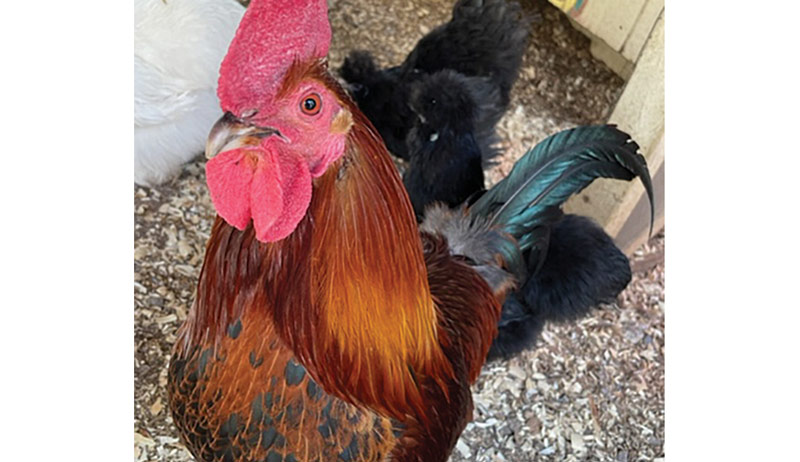
Shutterclucks: Chickens Editors Choose Reader Photos

The editors of Chickens magazine are always on the lookout for great chicken photos, and in the March/April 2023 print issue they ran a contest titled Shutterclucks.

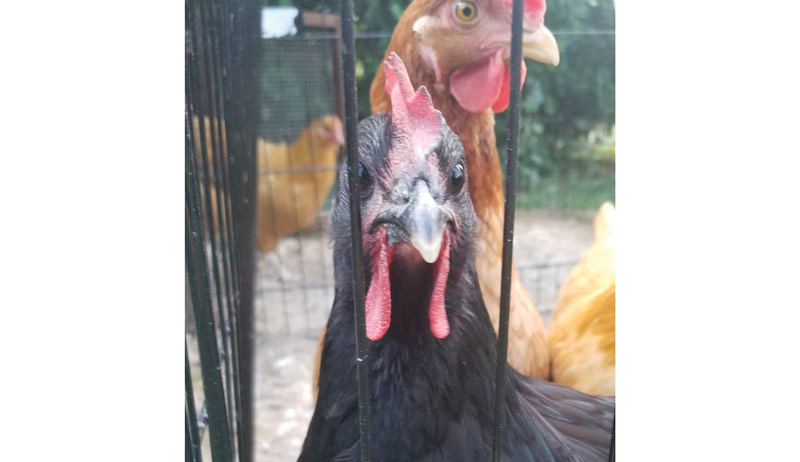
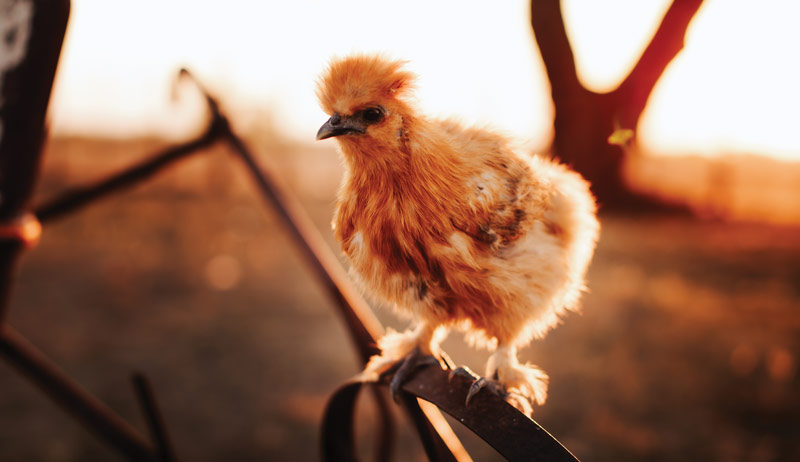
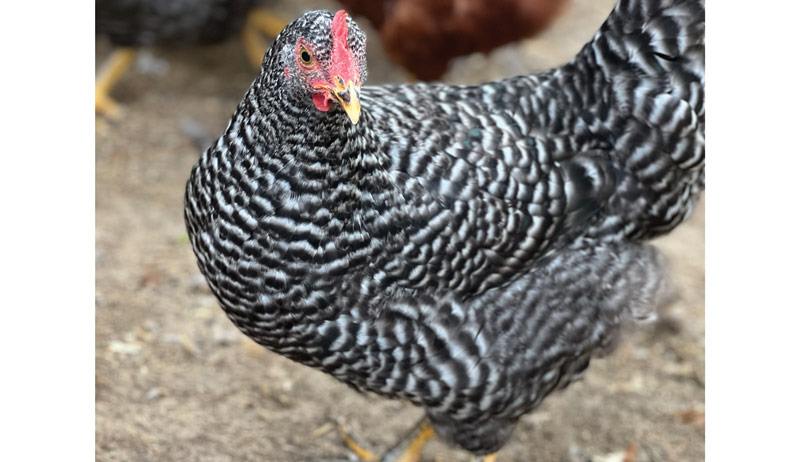
Above is the winning photo submitted by Kevin Sokal of Essex Junction, Vermont, and below you’ll find others chosen and printed in Chickens. Each one includes the name and city of residence of the chicken lover (or lovers) who submitted it.


Shelby Saunders | Bluffton, Indiana

Shutterclucks Chickens magazine


Kim Montag | Jersey Shore, Pennsylvania

Shutterclucks Chickens magazine


Kaci Stuart | Lipan, Texas

Shutterclucks Chickens magazine


Hannah Dinse | New Ulm, Minnesota

Shutterclucks Chickens magazine


Denise Williams | Knoxville, Tennessee

Shutterclucks Chickens magazine


Dan Smith | Upper Sandusky, Ohio

Shutterclucks Chickens magazine


Carol Atwood | Smyrna, Georgia

Shutterclucks Chickens magazine

Got a cool clucker you want to show off? Email us an image of your chicken(s) to chickens@chickensmagazine.com with the subject line Shutterclucks, and include your name and mailing address. The winner will receive a prize from one of our sponsors!

This story originally appeared in the March/April 2023 issue of Chickens magazine.

Categories
Animals Beginning Farmers Farm & Garden Large Animals

Gentle Natured Kunekune Pigs Star At Jach’s Farm

When Jamie and Zach moved from Colorado to buy a fixer-upper on a 4-acre plot outside of Austin, Texas, they immediately felt the calling to add farm animals to their property.

“I was itching to get farm animals the second we closed on this house,” says Jamie. “Kunekunes came up as a beginner-friendly homestead animal, so we bought two pet Kunekunes. Now almost two years later, we have increased our collection to nine adult pigs and over 50 chickens.”

Since officially forming Jach’s Farm, the venture has strived to become a staple of the local community. “We sell our rainbow eggs to people around town and have several regular customers,” says Jamie. “We also of course sell our piglets, and we love watching people pick up their piglets and bring them home. It is so rewarding to know that we can contribute to local families raising their own pork or even watch families raise one of our Kunekune piglets as a pet.”

We spoke to Jamie about Kunekune behavior patterns and a livestock guardian named Bandit. We also got into cupcake treats for pigs.

A Gentle Natured Piglet


View this post on Instagram


A post shared by JACH’S FARM (@jachsfarm)

When deciding to make Kunekunes an integral part of Jach’s Farm, the breed’s”gentle nature” and smaller-than-usual size were all important factors.

“After a few months of having our beloved pet Kunekunes, we decided to dive headfirst into breeding,” explains Jamie. “We were inspired to preserve and further the breed by following in the footsteps of other amazing Kunekune breeders.”


Read more: Learn more about the adorable Kunekune breed of pigs!


How to Raise Pigs Ethically


View this post on Instagram


A post shared by JACH’S FARM (@jachsfarm)

“We initially said we would never raise Kunekunes for meat,” says Jamie of her and Zach’s initial farm plans and discussions. “But after doing research on how commercial pigs are raised for slaughter, we quickly realized that we could lovingly and ethically raise happy and healthy pigs as meat for ourselves and help others understand where their food comes from.”

Ultimately, Jamie says, “Our goal is to one day be able to sell local pastured pork to those in our community.”

Respect the Pecking Order


View this post on Instagram


A post shared by JACH’S FARM (@jachsfarm)

When it comes to Kunekune behavior and quirks, Jamie says it’s fascinating to watch how early in life they begin to assign a pecking order.

“Piglets will be 2 to 3 days old and start battling for head pig status,” she says. “They instinctively start fighting to create a hierarchy within the litter. It’s fun to watch, but it can be brutal!”

Treat ‘Em Right


View this post on Instagram


A post shared by JACH’S FARM (@jachsfarm)

Back in March, some of the Kunekunes at Jach’s Farm were treated to some vibrant green cupcakes in celebration of St. Patrick’s Day.

It turns out, treats are worked into the weekly feeding routine.

“Every week they get fruit and vegetable scraps,” explains Jamie. “The nursing sows always get a piece of fruit with their lunch, but on occasion they do get people food for special occasions. They get cupcakes for birthdays and sometimes on holidays.

“One of the weirdest foods we’ve given them are sour gummy worms. They don’t get them by the handful of course. Just one or two does the trick.”

Give It Up for Bandit!


View this post on Instagram


A post shared by JACH’S FARM (@jachsfarm)

Keeping watch over the Kunekunes and livestock at Jach’s Farm is a 1 1/2-year-old farm guardian dog named Bandit. But while Bandit now knows “how to keep his distance from newborn piglets” and understands boundaries with the adults, it wasn’t always that way.

“As a puppy Bandit had a hard time picking up on social cues from the pigs and vice versa,” says Jamie. “For instance, dogs growl as a warning when they need space. Pigs don’t understand that. So as a puppy Bandit had to be trained not to resource guard around the pigs. It took several months for him to really understand boundaries with the pigs—but he is now a pro!”

Follow Jach’s Farm at Instagram.

Categories
Animals Chickens 101 Farm & Garden Health & Nutrition Poultry

How To Give Your Chicken A Belly Rub

Dogs love them. Cats love them. Even humans love them. Well, some of them, anyway. It therefore should be no surprise that chickens love belly rubs, too.

Social media is full of photos and videos of hens and roosters, bellies in the air and blissful expressions on their faces, having their tummies stroked by their owners, and of baby chicks drifting off to sleep to tummy strokes. But before you grab your girl and start giving her a massage, there are a few things you should know.  

Why Belly Rubs? 

What is it about belly rubs that animals love so much? In a word: accessibility. Anatomy simply doesn’t allow animals to easily access their own abdomens.

“They’re really not built to reach their own bellies with their beaks, teeth or feet,” said Dr. Michael Hoffman, a U.S. Army veterinarian based in New Mexico. “For them, belly rubs isn’t just enjoyable, it’s relief.”

This is especially true, Dr. Hoffman notes, for chickens that free range, as they can pick up irritants such as burrs and insects that embed themselves beneath their feathers. 


Read more: Check out these tips for keeping your coop stress free.


A Matter of Trust 

Don’t go reaching for your rooster just yet, however. Animals instinctively understand that the most vulnerable area of their body is their belly. Unlike the rib-shielded torso, the abdomen has no skeletal structure to protect it from injury, making it an easy target for predators that eviscerate their prey.

Because of this, chickens—or any domestic animal—will not readily expose their underside … unless they trust you. The exception, of course, are baby chicks, who are too new to life to comprehend the concept of threats and will willingly give themselves over to cuddles and caresses. Adult and older juveniles, on the other hand, will react to approaching humans by shying away or charging.

If you have not taken the time and effort to build a trustful relationship with your birds, giving them belly rubs is most likely not an option for you.  

A Breed Apart 

Another consideration is the breed you are raising. Several chicken breeds are known for their gentleness, docility and friendliness, and are more predisposed to being closely handled. If you are rearing Orpingtons, Cochins, Silkies, Plymouth Rocks, Australorps or Jersey Giants, you are already a step ahead, as these breeds are calm and affectionate.

You’ll still need to develop that bond of trust, but it will be easier from the get go. Other breeds are flighty—Polish, Leghorns and Ameraucana—or aggressive—Game, Malay and Asil—by nature, making it much more difficult to develop a trustful relationship with them.

Don’t rule it completely out, but understand that it will be far more challenging.  


Read more: These chicken breeds thrive on small farms and homesteads.


How to Give a Belly Rub 

Ready to treat your chicken to a belly rub? Start by securely holding your bird, right side up, against your chest. Be sure to talk to it continually in a gentle, reassuring voice. Maintain eye contact and, with one arm securely holding the bottom half of your bird, use your free hand to reach underneath and rotate it into a reclined, belly-up position.

The hold will be similar to how a baby is cradled.

From here, continue maintaining eye contact and talking in a soothing manner while stroking your chicken’s tummy right down the middle of its carriage. Always stroke downward with the full flat of your hand. The repetitive motion, paired with your murmuring voice, will not only relax your bird but may even put it in a sleepy, trancelike state.

To give a baby chick a belly rub, gently lay the little chicken on its back in the palm of your hand, then stroke it from just under its chin down to its belly with your thumb or index finger. Don’t be surprised if your chick falls asleep to your stroking.  

Categories
Podcast

Episode 52: Nathan Harkleroad


Hobby Farms Presents: Growing Good Nathan Harkleroad

On this episode of Hobby Farms Presents: Growing Good, Nathan Harkleroad, Program Director at Agriculture and Land Based Training Association, talks with us about his path to farming, the value of agricultural work, helping people get their own farms going and more.  

A San Diego kid and product of Southern California’s surfing scene, Harkleroad had no plans for a career in farming growing up. (He didn’t even have 4-H in his urban community.) But opportunities to work on farms abroad in Panama and Scotland planted the seeds for agricultural work in his life. He found work on a university farm upon his return to California, learning the full gamut of farming knowledge to pursue a career in agriculture. Working alongside other farm workers, he heard the hopes and dreams of fellow farm workers to start their own farms. Today, he works as an educator and program director with Agriculture and Land Based Training Association, a role that involves, in part, helping aspiring farmers learn the skills to own and operate their own farms.

Hear Nathan discuss the importance of training and empowering populations that want to do the hard work of farming. Listen in as he talks about cover cropping, which he describes as his favorite type of farming for the value it brings to soil. Learn his favorite farm meal, which he, as a food lover, describes as “ironic,” and hear his recommendation for a hearty farm-fresh meal option. Also, peppers!

Categories
Animals Equipment Farm & Garden

Watch Out Humans: Fish Farming Is Getting Smarter

There has always been controversy over fish farming, but there is no doubt that farming fish is more popular than ever. Some hobby farmers are even making the switch from land to the pond. It’s easy to see why—there is a growing demand for seafood, and recent research has shown the world demand for seafood may double by 2050.

Fish farming can be set up in small spaces. So it’s no problem if you only have an acre or you don’t have a pond in your pasture.

Some farmers use tanks or barrels to grow fish, and the filtered waste is useful for fertilizing other crops. There is a lot of variety in fish farming too, with small and large-scale fish farms raising everything from shrimp to crawfish to salmon.

These are just a few reasons why fish farms are popping up all over the USA, and the introduction of smart fish farming devices is making it a lot easier for those who choose to jump in. Intelligent fish farming takes care of feeding, gives you a clear view of what’s happening in your pond and helps keep your water clean. Some devices even use lasers to pick parasites right off your fish.

From hatch to harvest, intelligent fish farming means any hobby farm could have fish ready for sale within six months. Here’s a look at a few smart fish-farming devices that can help your fish flourish.

Underwater Drones Take You into the Pond

We live on land, fish live underwater—so one of the challenges of fish farming is being able to see how your fish are doing while living under the surface. Underwater drones take you straight into the pond or tank so you can see the current living conditions, monitor for fish death, see whether your fish are eating properly, and even check oxygen levels.

They can also monitor for pH and pollutants so you can clean your pond or treat your fish before issues appear.

Digital Feeding Is Tailored to Your Fish

If you’ve ever owned a fish tank you may have used a vacation feeder or automatic feeder when you’re away for a few days. Digital feeding is based on the same idea, but digital feeders use machine learning to tailor your feeding schedule specifically to your fish.

Some types of digital feeding apps monitor your fish in the pond and transmit data like speed, growth and current population. This software can learn and adapt so you’ll be confident knowing it feeds your fish exactly the way they need to be fed for optimal health and growth.

Intelligent fish farming is on the rise, and with the help of smart devices some hobby farms are making the switch to fish.

AI Comes to Your Pond

Digital feeding apps use artificial intelligence to feed your fish, but AI can also be used in a few other ways. You can watch videos of your fish in real-time so you can check for health or disease. You see the cleanliness of your pond and whether anything is happening under the surface that would be unsafe for your fish.

On a small-scale fish farm, you may not need an AI-powered camera equipped with lasers, but a camera like this can be incredibly useful if you have a parasite outbreak. These cameras use lasers to pick lice off of fish without hurting the fish or damaging your pond.


Read more: Are aquaculture and fish farming right for your property?


Intelligent Fish Farm Software Keeps Your Data Together

If you own a smart farm, you will track your farm’s data over time so you know what works, what doesn’t and how profitable you have been from year to year. A smart fish farm is no different.

There are quite a few different types of fish farming software to track fish health and farm growth. Your smart devices can be synced to the software, and data can be uploaded automatically. To see how your fish are feeding, how they are growing or if there is a growing issue with contaminants or disease, all you have to do is pull out your phone or computer and check your stats in real-time.

Is It Time to Dive into Smart Fish Farming?

Smart fish farming is a type of farming that’s going to see a lot of growth over the next 10 years. If you’ve been thinking about making the switch from farming land to growing fish, these smart devices can help you get set up and make it a lot easier to dive into the world of fish farming.