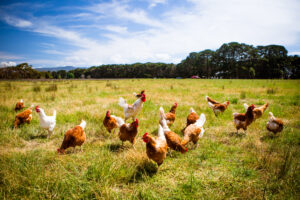
Chicken chores are a regular part of keeping a healthy, happy flock. Fortunately, chickens are fairly independent animals, so caring for them generally takes less time than caring for many other domesticated pets. Still, you’re responsible for providing a clean, safe environment where your chickens can meet their physical and social needs.
If you’re new to chicken keeping, knowing what needs to be done—and how often—can make flock care much easier. Some chicken chores need to happen every day, while others can be handled weekly, monthly or seasonally. Use this guide to establish a routine, and set calendar reminders for the less frequent tasks so nothing gets overlooked.
Key Takeaways
- Chicken chores range from daily tasks such as feeding, watering and gathering eggs to less frequent jobs such as deep-cleaning the coop.
- Check your flock regularly for signs of illness, injury, parasites or other health concerns.
- Keep coop bedding and the chicken run clean and dry to help reduce pests, odors and disease risks.
- Adjust feeding and flock-care routines as weather, vegetation and pest availability change throughout the year.
- Schedule less frequent chores, such as coop repairs and deep cleaning, on your calendar so they don’t get forgotten.
Daily Chicken Chores
Provide Food and Fresh Water
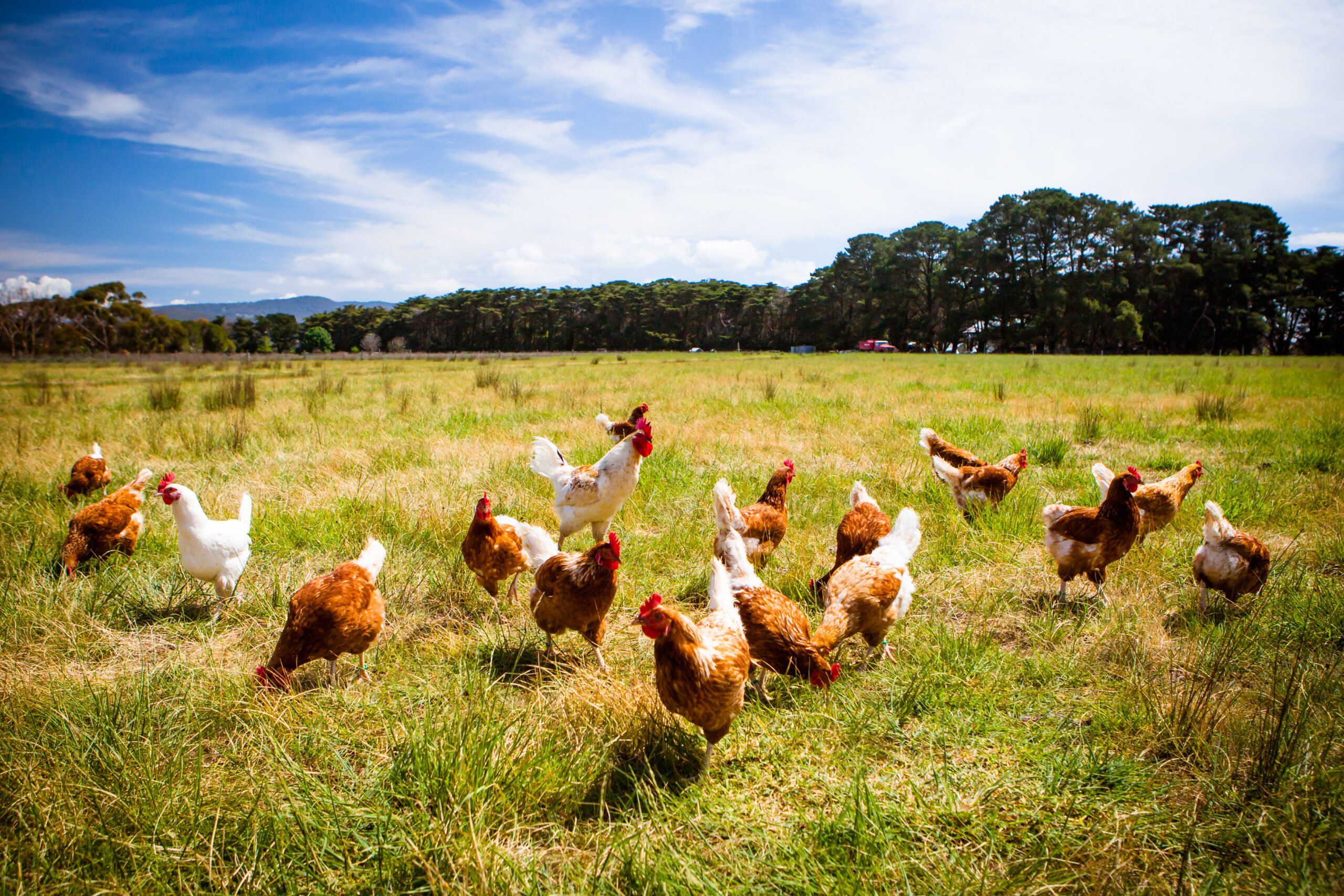
Check feed levels and offer fresh water first thing in the morning and again before dusk. Chickens should always have access to food (continuous feed year-round or structured mealtimes plus free ranging in the summer) and clean water. Chickens should also be able to access grit as needed.
Gather Eggs
Collecting the eggs several times a day, versus once a day or once every other day, keeps eggs clean, avoids breakage and encourages broody hens to get off the nest. It’s much easier to put away a handful of clean eggs (whether you wash them or not) than it is to gather two days worth of eggs that need to be scrubbed free of chicken poo. Periodic egg checks save time in the long run.
Tidy the Coop
Remove the dirtiest bedding every day and add clean bedding if it’s needed. Removing the overnight poo from below the roost will keep the coop smelling chicken-fresh, and it will discourage flies from breeding in the coop.
Weekly Chicken Chores
Inspect The Flock
Give the girls (and boys) a good once-over for any signs of illness, injury or infestation.
Change the Bedding
Remove all the bedding you’ve been tidying up over the course of the week, and replace it with clean bedding. Changing bedding weekly, when clean and dry conditions permit, helps keep the coop free of parasitic pests and other invasive critters. It also removes moisture from the coop that allows bacteria to thrive and that promotes dangerous frostbite in the winter months.
Clean the Chicken Run
If your run is fixed (versus mobile), keep the run tidy by raking out chicken waste and any wet/dirty ground material, like straw. Buildup of moisture and chicken waste creates an environment where disease thrives. From intestinal worms and external parasites to respiratory infections and bumblefoot, chickens are at risk on a filthy run floor. Keep it clean.
Monthly Chicken Chores

Rachel Hurd Anger
Adjust Care for the Season
Like gardening, keeping chickens emphasizes the nuanced differences between each month of the year. When the pest population is high and the grass grows too fast, chickens can eat less feed. When the summer becomes hot and dry, fewer and/or different pests are available, and the grass slows, more feed is required. Every month of the year demands tweaks in daily and weekly chicken care. Only you can determine these changing needs in your flock based on your climate.
Twice-Yearly Chicken Chores
Deep-Clean the Coop
Clean the coop with soap, water and a scrub brush twice a year. I prefer to use plain old dish soap. Soap will kill pests but not the grass. Once the coop is completely dry, dust its nooks and crannies with food-grade diatomaceous earth (DE) to help stop insects from moving in.
Refresh the Dust Bath
Freshen up the dust bath with peat moss, wood ash and sand. Peat moss absorbs oils from the skin, wood ash coats the skin with a barrier that deters parasites, and sand helps to weigh it all down.
Allow Garden Access
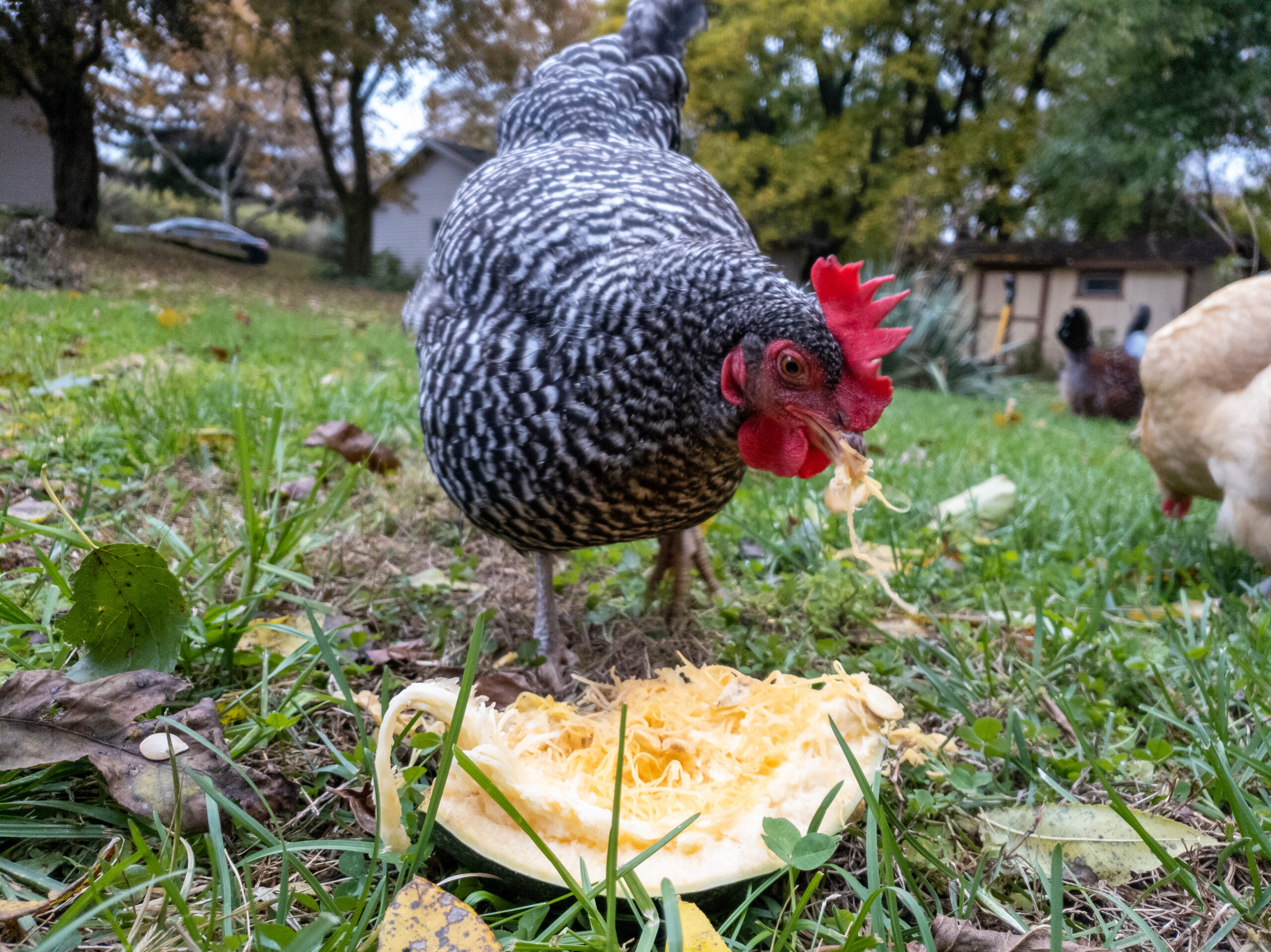
Spring and fall garden cleanup exposes the flock to a boost in dietary protein and to edible greens. Chickens also help turn soil and organic matter. Chickens are voracious eaters and unparalleled garden workers.
Annual Chicken Chores
Make Coop Repairs
Keep the coop in tip-top shape to discourage predators and infestations and to keep chickens clean and dry.
Frequently Asked Questions
What chicken chores need to be done every day?
Daily chicken chores include providing food and fresh water, checking feed and water levels, gathering eggs and removing the dirtiest bedding or accumulated droppings from the coop.
How often should you clean a chicken coop?
The frequency depends on your flock, coop design and bedding system. Remove heavily soiled bedding regularly, change bedding as needed and plan for a more thorough coop cleaning about twice a year.
How often should you check chickens for health problems?
Give your chickens a quick visual check every day while you’re feeding and watering them. A more thorough flock inspection can be part of your weekly chicken chores.
Do chickens need a dust bath?
Yes. Chickens use dust baths as part of their natural grooming behavior. Provide a dry area containing suitable dust-bath materials and refresh it when it becomes soiled or depleted.
What is the most important chicken chore?
Providing chickens with consistent access to clean water is among the most important daily tasks. Regular observation is also essential because noticing changes in eating, drinking, behavior or appearance can help you identify problems early.
Final Thoughts
Keeping chickens doesn’t have to be a time-consuming job. Once you establish a routine, most chicken chores become quick, familiar parts of your day. Pay attention to your flock, keep their living space clean and dry, and adjust your routine as the seasons change. A little consistent care goes a long way toward keeping your chickens healthy and your coop running smoothly.
Love keeping chickens? Subscribe to Chickens magazine for practical advice, helpful tips and inspiration for raising a happy, healthy flock.