Categories
Poultry

Chicken Feathers: Understanding Feather Scoring

Chicken feathers serve a number of purposes for both birds and humans. For hens, their feathers provide camouflage and protection from the weather. For the roosters, they are a way to win mates. For scientists, farmers and show judges, feathers provide a measure of poultry health. While annual molting is a normal part of a chicken’s lifecycle, other feather loss can be a sign of something wrong in your flock.

Chicken Feather Loss and Health Concerns

There are many reasons chickens may lose their feathers that suggest health issues in the bird. Parasites, illnesses, stress and other culprits are all possible issues.

Chicken Feather Loss from Parasites

Poultry mites can infest chickens and burrow into the skin next to the feathers. This causes the birds to pull out their feathers in an attempt to rid themselves of the irritation. Other mites and lice can cause similar reactions. Signs of these parasites on birds are often a signal that the entire flock is infested and likely the coop and run as well.

It is important to verify that parasites are the issue before treatment. Bacteria or fungal infections can also cause feather loss in a flock and often require medication.

Nutritional Deficiencies and Feather Problems in Chickens

Feathers are made up primarily of protein and birds may consume a flock mate’s feathers to make up for a protein deficit. Other micronutrient deficiencies can cause cannibalizing behaviors as well. Keep in mind that nutritional needs will vary depending on the breed, time of year, age of the birds and other factors.

Bald chickens can also be a symptom of exposure to toxins or overheating. While it can easily be attributed to a stress problem, feather picking because of extreme temperatures, lack of fresh water or high ammonia levels can be symptom of much more severe issues. In fact, feather picking and levels of loss are often used by animal welfare experts to determine the safety and health of a flock.

Stress and Feather Plucking in Chickens

Some stress-induced feather pulling may exist in even a healthy flock since pecking order clashes can involve physical altercations. However, if the behavior persists or birds are found with severe feather loss, this is often more than normal, competitive behavior. Feather loss can be caused by higher-status hens bullying flock mates. Boredom, cramped quarters, predators and other stressors can result in chickens plucking out each other’s feathers.

If birds appear to be stressed, widening runs and providing enrichment activities can help to reduce issues with overcrowding or lack of stimulation. Roosters can help with the regulation of a flock, though if there are too few hens for an amorous male, over-mating may also cause feather loss in the hens. In this case, it is caused by him repeatedly mounting them and pulling their feathers out.

Feather Scoring for Chicken Health

Feather scoring is a measure of feather loss in a flock. Measuring about 50% of the birds in a flock is suggested to best determine the over-all flock health, and a single bird missing large numbers of feathers is not likely to be seen as a sign of concern. Scoring is done on a scale of 0-2 and should not be done when birds are molting.

Level 0 Feather Score: Healthy Chickens

Birds with a score of zero are missing no feathers or may be missing a single feather here and there at most. There should be no skin showing. Checking the area around the vent is important.

rooster with almost no chicken feathers missing
Level 0: This handsome rooster is missing no feathers, shows no bare patches and everything is lying smoothly. However, as his male chicks begin to grow up sparring matches will likely change this until they are separated out. Photo by Sherri Talbot

Level 1 Feather Score: Mild Feather Damage

Birds with a score of one may have small amounts of skin showing and will have noticeable missing or broken feathers. The bird may look slightly ruffled.

Level 2 Feather Score: Severe Feather Loss in Chickens

Birds with a score of two have large swaths of skin showing, major feathers may be broken, and the bird will look quite ragged. Flocks with a high number of level 2 scores have also been correlated with high levels of illness in the birds, underweight flocks and poorer production in laying hens.

chicken feathers are missing on this hen's head and body
Level 2: This bird is borderline, but was overbred by a rooster who liked her a LOT! She is missing feathers on her head and body and, while it isn’t visible in this shot, there is a bare patch on her back where she has been mounted repeatedly. Photo by Sherri Talbot

Since chickens are prey animals, they will often hide issues and can be difficult to diagnose. Knowing the possible signs and symptoms associated with feather loss can help identify issues in a flock more quickly.

This story about chicken feathers and scoring was written for Chickens magazine. Click here to subscribe.

Categories
Poultry

Raising Baby Chickens in the Fall: 5 Reasons to Start a Flock

Raising baby chickens in the fall is not always top of mind. Springtime is synonymous with babies. As temperatures rise, days get longer and animals get frisky. Broody hens spend more time sitting on their eggs and cheeping chicks start showing up in feed-supply stores. It’s no surprise that spring is also the season when most people start their flocks. But a growing number of chicken keepers are adding fall flocks to their farms.

“Spring is such a popular time, but more people are experimenting with fall flocks,” says Kendra Higgins, director of marketing for Meyer Hatchery and host of The Coop Podcast.

Are you thinking about adding (more) chickens? You don’t have to wait until spring. Consider these six reasons to start a fall flock.

1. Raising Baby Chickens in the Fall Means Double the Fun

Chicks are hard to resist. The same downy feathers, tiny beaks and little cheeps that make chicks Instagram sensations may also tug at your heartstrings.

And adding a fall flock means all of that cuteness isn’t limited to a single season. You can cuddle chicks and watch them grow twice a year. 

British researchers found that watching cute animals reduces stress and anxiety. Who doesn’t want to lower their cortisol levels while raising babies that will eventually provide breakfast?

2. Better Breed Selection When Raising Baby Chickens in the Fall

Is your heart set on a Buff Orpington, Rhode Island Red or Australorp? Do you want chickens that lay blue, green or pink eggs? You might be out of luck in the springtime.

Higgins notes that certain breeds (or breeds that produce certain egg colors) are most in demand in the spring when every established flock-raiser and wannabe chicken keeper calls in their orders to hatcheries. 

Demand has been especially high during the pandemic, making it even more difficult to order spring chicks. Fall ordering is less frenzied.

“Hatcheries get swamped and run out of a lot of breeds,” says Lisa Steele, creator of the website Fresh Eggs Daily and author of Fresh Eggs Daily: Raising Happy, Healthy Chickens Naturally. “Hatcheries realized if they started opening up to fall ordering, people who couldn’t get the breeds they wanted in the spring … had a better chance of getting them in the fall.”

A better selection of breeds could lead to some unfortunate “chicken math” and a flock that isn’t the right fit for your farm or family.

“In the fall, if you’re finding availability, it can be even more exciting,” Higgins says. “Make sure you’re asking questions about whether it’s a breed you really want. Is it a breed that’s also family-friendly? Is it a breed that lays the color of eggs [you want]? Or even the number of eggs …? Is that a breed that you’re going to like?

“Asking all of those questions and really factoring in what works best for you will make you a lot happier with the flock that you end up with.”

It’s true that there might be fewer people clamoring to order cheeping chicks in the fall. But less demand also means hatcheries are hatching a smaller number of chicks, so selection isn’t guaranteed.

3. Raising Chicks in the Fall Helps Bolster Flock Numbers

Illness and predators mean flock numbers can tend to fluctuate. And some of the chicks you ordered in the spring may not be part of the flock by fall.

New chicken keepers are often surprised at the number of predators in their yards. They might underestimate the need for a super secure coop to protect their hens, which leads to unexpected losses. 

Those who purchased just a few birds might find themselves down to a single hen at the end of the season. But you don’t have to make a lone remaining hen wait until next spring to be part of a flock again.

Raising baby chickens in the fall helps rebuild the flock.

Adding to the flock in the fall is also common among those who sell eggs for local markets and need a certain number of hens in their flocks to keep up with demand. 

4. Raise Baby Chickens in the Fall for More Eggs in Spring

Next spring, when other flock-raisers are just setting up their brooders and welcoming new chicks to the farm, the chicks you in the fall will already be laying eggs.

You might also get more eggs from fall-hatched chicks. The reason is that chicks purchased in the spring don’t start laying until the fall. Just as their reproductive systems kick into high gear, the days get shorter. This sends the signal that it’s time to slow down egg production through the winter.

In contrast, chicks hatched in the fall shift into maximum production in the spring, laying almost one egg per day (depending on the breed).

“If you get [chicks] in the fall, they are maturing through the early part of the winter and might put off laying a little bit longer. But when they start laying in the spring, the prime laying season, they are going to be ready to go,” Steele says. 

Higgins adds that adding chicks in the fall could also prevent you from keeping the coop lit for sustained egg production. 

“For those that don’t like to keep the lights on in their coop to try to force the chickens into continuous laying, if you like that natural slowdown, staggering your new additions in your flock by adding some [chicks] in the spring and some in the fall typically will get you year-round production without the added light source,” she says.

5. Fall Chicks Delay Molting and Boost Egg Production

Every year, chickens shed their old feathers and grow new ones. Breed and age determine molting patterns, but biology plays a role, too. Chickens only molt after laying a certain number of eggs. (This prevents molting from robbing hens of the energy needed for egg production). 

Fall flocks start laying full force in the spring. But they might not molt until the following year, skipping the midsummer pause in laying to accommodate molting. This is common for spring-hatched chicks. 

Important Considerations When Raising Baby Chickens in the Fall

While there are compelling reasons to add chicks to the flock—or start a new flock—in the fall, a late-season flock requires a few special considerations.

Hatchery Requirements for Raising Baby Chickens in the Fall

Hatcheries require higher minimum orders in the cooler months. “Our minimum order is three chicks in the warmer months, and it goes up to eight chicks in the colder months,” Higgins explains. “Obviously, the more chicks, the better the body heat [is].”

In the fall, the hatchery ships chicks with heat packs and, depending on temperatures, may add an extra layer of foam to the boxes for added warmth.

Brood Time Needs for Fall-Hatched Chicks

Cooler temperatures in the fall may also mean that chickens need to stay in their brooder for longer periods, especially in states with harsher climates. This is one of the biggest reasons Steele, who raises chickens in Maine, prefers spring chicks to fall flocks. 

“Wherever you live, you need to count back from before your last frost date—or even before your last frost date when your nights start getting down to 40 or 45 degrees [Fahrenheit]—to make sure your chicks are going to be eight to 12 weeks old and have all of their feathers before they go outside,” Steele says.

“You don’t want to be stuck with chickens in the house … until spring. I wouldn’t be comfortable putting three 8-week-old chicks outside when it’s 10 degrees ….”

Choose breeds such as Golden Comets, Rhode Island Reds and Delawares that mature at 16 to 20 weeks old rather than slower-growing breeds such as the Brahma that might not mature (and be ready for cool temperatures) until they are 24 weeks old. 

Integration Concerns When Raising Baby Chickens in the Fall

Integrating fall-hatched chicks into existing flocks can also be a little more difficult in the fall.

“In the summer, we typically recommend putting chicks outside with a divider [between the new chicks and the existing flock]. Or, if you have a small flock, you could even use a dog crate so the two flocks can see each other but can’t reach each other,” Higgins says. “You’ll still want to do that in the winter. But sometimes your coop size can deter just how much freedom you have in that setup.”

Because there are additional considerations associated with establishing a flock in the fall, Steele believes these late-season additions may not be right for novice flock raisers. “The more experience you have raising chickens, the easier it’ll be to raise a fall flock,” she says.

Remember, chicks aren’t the only option for fall flocks. You can also consider adding flocks of ducklings and goslings during this season. Ducklings and goslings are hardier than chicks, more cold-tolerant and feather out faster. These traits make them well-suited to going from the brooder to the coop in cooler weather. 

Will you add chicks in the spring or fall—or both? Whatever you decide,  you’ll benefit from adorable babies, feathered friends and amazing eggs. 

 Do Fall Baby Chickens Lay Bigger Eggs?

There are no scientific studies comparing how egg sizes differ between spring- and fall-hatched flocks. But Lisa Steele cites anecdotal evidence that fall flocks might have an edge.

“Fall chicks tend not to lay those little fairy eggs [because] they wait a little bit longer to start laying,” she says. “Instead of waiting until 18 or 20 weeks to start laying, it might be 24 weeks or 26 weeks so they’ll start off laying full-sized eggs.”

This article about raising baby chickens in the fall was written for Hobby Farms and Chickens magazines. Click here to subscribe.

Categories
Farm Management

Bird Feather Identification: Know What You Find

Bird feather identification can help you understand the wildlife around you. Have you ever found a beautiful feather while on a hike, picked it up and wondered whether you should keep it? Or maybe you have chickens and are hyperaware of hawks in the vicinity, and you want to be able to recognize traces of their presence. Like learning what bird made a nest or what snake shed its skin, identifying a bird by its feathers provides a clue about wild animals in your midst.

Bird Feather Functions

If you thought feathers were just for flying, think again. Consider that there’s more than 60 species of flightless birds and yet they all have feathers. Feathers serve at least 20 other purposes. Here are a sampling of feather functions.

Feathers for Warmth and Weather Protection

Downy feathers and semiplume feathers can be fluffed up to trap air and keep warmth next to the skin. Birds can tuck their heads and settle their bodies onto their legs and feet to keep featherless areas snug and protected. To cool down, a bird can stick its head and feet out. To weather a storm, contour feathers provide rigid resistance to wind. Interlocking barbs as well as oily or waxy coatings help feathers repel water and grime.

How Birds Use Feathers for Feeding

Feathers help birds survive with the special ways they help birds eat. Herons and some other shore birds can use their wings to create shade that masks their silhouette, stealthily hunting and hiding from the view of fish below. Some fish-hunting birds swallow their own feathers to soften the impact of fish bones on their digestive tract. Feathers also help hummingbirds transfer pollen from one flower to the next. In this way, they are helping fertilize blossoms that produce seeds and provide more nectar-rich flowers for future feeding.

Feather Colors, Sounds, and Signals

Colors and patterns of feathers send overt and subtle cues to rivals, mates and family members. To see but not be seen, predators as well as prey benefit from camouflage. However, male birds are typically showier and bolder in order to attract females, although some birds’ colorful feathers are imperceptible to the human range of vision. The sound of feathers also sends signals—drumming, whistling and humming are a few ways birds get attention. Feathers can also mute sounds, such as the fringe on the edges of owl feathers that makes these birds silent hunters.

owl flying with wings spread fully allowing good bird feather identification
Shutterstock

Identifying Types of Bird Feathers

The shape and placement of feathers on birds’ bodies are important to their function. When you find a feather, begin your identification by determining what type of feather it is.

Wing Feathers

feathers wing flight feather
Shutterstock

Typically asymmetrical, with a shorter leading edge to help with flight, these are also windproof because of interlocking barbs (the branches off the central shaft).

Tail Feathers

Symmetrical, with a stiff central shaft, tail feathers are sturdy steering aids during flight.

Contour Feathers

These cover the bird’s body and have interlocking barbs, plus downy fluff near the shaft’s base to insulate the body.

Semiplume Feathers

wild turkey semiplume bird feather
Shutterstock

A central shaft creates a typical feather shape but there’s less structure to these close-to-the-body feathers.

Down Feathers

Without a structural shaft, the lightweight fluff traps body heat and keeps a bird warm.

Laws About Keeping Bird Feathers

Unless you have a permit, it is a federal offense to keep any feathers or any other part, including nests, from a migratory North American bird. The Migratory Bird Treaty Act was updated in 2004 to “not include nonnative species whose occurrences in the United States are solely the result of intentional or unintentional human-assisted introduction(s).” The challenge, however, is determining what kind of bird dropped its feathers that you want to pick up.

Steps for Bird Feather Identification

First, take a picture of it, then leave it where you found it.

Second, narrow the possibilities. Consult a bird identification book for your region or an online guide such as eBird or Cornell’s All About Birds. Make a short list of birds you believe it could be, based on the color, size and season it has appeared.

bald eagle bird feather identification chart for subadults
U.S. Fish & Wildlife Service

Finally, consult the U.S. Fish and Wildlife database of bird feathers, the Feather Atlas. It includes images of flight feathers of hundreds of birds in male, female and juvenile plumage. You can browse by family or enter a specific search term and then compare. For example, you might compare a bald eagle’s feathers with those of a grackle.

Wild birds, which are almost always beyond our reach, glide, flutter, soar and flap across boundaries. Found feathers offer distinct clues to the ecological impact of your property and provide a reason to pause and honor their ephemeral visits.

This article about bird feather identification was written for Hobby Farms and Chickens magazines. Click here to subscribe.

Categories
Farm & Garden

Pressed Flower Crafts: Creative Ways to Preserve Nature’s Beauty

Pressed flower crafts provide a creative way to preserve flowers and leaves, extending their beauty beyond the short growing season. Using a flower press helps maintain the shape and color of the blooms, making them perfect for framing, bookmarks, gift tags, and other decorative projects. For those interested in creating their own press, building a DIY flower press is a simple project that allows full control over the pressing process and materials.

Creative Pressed Flower Crafts to Try

So, what do you do once you’ve pressed the flowers and leaves? Here are three beginner-friendly crafts that are sure to please.

How to Frame Pressed Flowers

One of the simplest ways to display dried flowers, like yarrow, is by framing them in double-pane glass frames. These frames allow flowers and leaves to be arranged in any desired design while keeping them securely in place once the frame is closed. Framed pressed flowers create beautiful decorative pieces and make thoughtful gifts.

To preserve their vibrant colors, it is best to keep the frames out of direct sunlight, as pressed flowers may fade over time.

DIY Pressed Flower Bookmarks

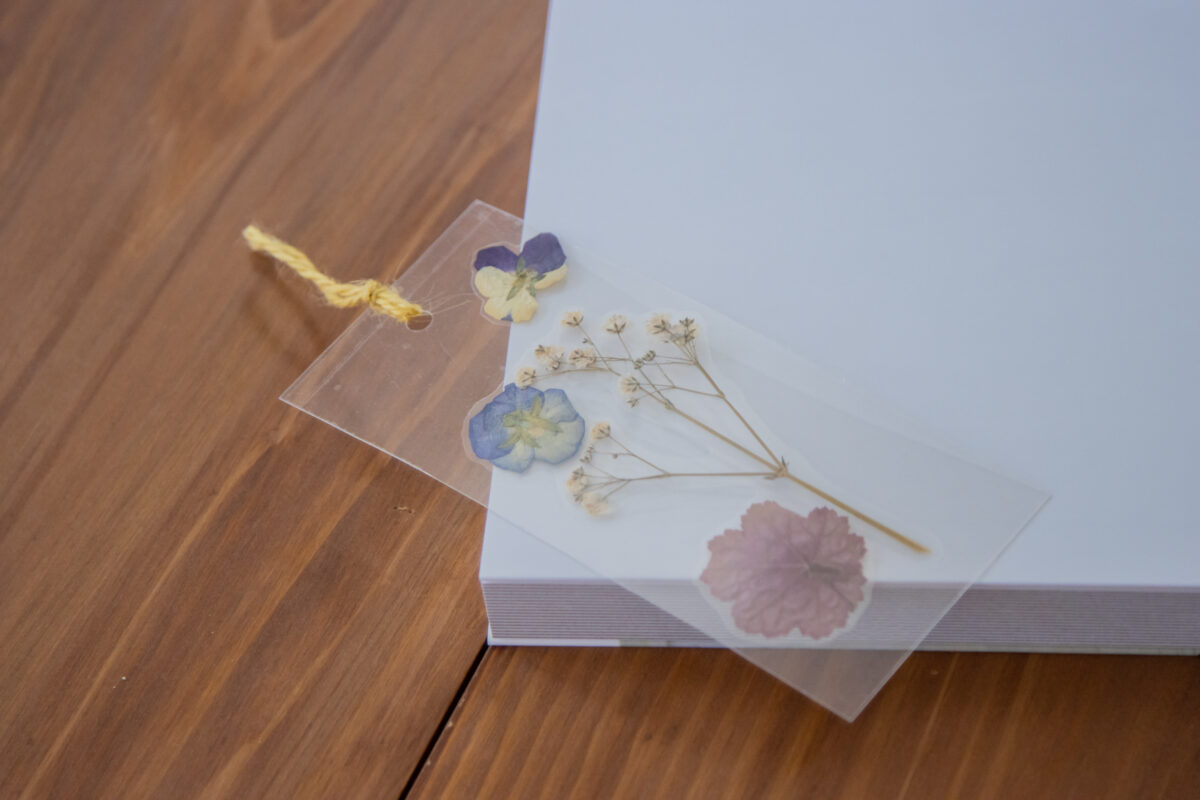
Pressed flowers can be transformed into beautiful bookmarks using a simple layering technique. Start by arranging leaves, dried grass, and pressed flowers in a design on a piece of clear packing tape, sticky side up. Place another piece of tape over the design to seal the materials in place—this method works as an easy alternative to laminating.

Once sealed, trim the edges neatly and punch a hole at the top of the bookmark. Thread twine or ribbon through the hole to finish. This technique can be adapted for a variety of pressed flowers and foliage, creating personalized bookmarks that also make thoughtful gifts.

For added visual interest, consider using colored construction paper as a base to lay out the flowers before sealing them with tape.

Make Unique Pressed Flower Gift Tags

To level up your gift from the heart, create a unique custom gift tag. You can buy pre-cut gift tags or cut your own.

To attach the pressed flowers to the tags, you can use a paintbrush to gently add glue, such as Mod Podge, to the entire surface of the tag. Gently place the pressed flowers and leaves into the design of your choice onto the tag to carefully adhere.

Or you can gently add Mod Podge to the underside of the pressed flowers and carefully attach them to the tag.

Once attached, you can add more Mod Podge to the top of the flower to protect it from lifting off (this is up to your personal preference).

It’s really that simple, but it adds elegance and a homemade touch to any gift.

Flower Crafting: Final Thoughts

Pressed flower crafts offer a simple and creative way to preserve the beauty of nature while making decorative and functional items. From framed art to bookmarks and gift tags, these projects can be adapted for a variety of skill levels and occasions. With a few basic materials and some creativity, anyone can transform pressed flowers into lasting keepsakes.

This article about pressed flower crafts was written for Hobby Farms magazine. Click here to subscribe.

Categories
Farm & Garden

Yarrow Uses: Tea, Tinctures & Dried Flowers for Home and Health

Yarrow uses go far beyond the garden. This hardy perennial (Achillea millefolium) is valued not only for its abundant blooms and vibrant colors but also for its versatility in herbal and home applications. From crafting with dried flowers to brewing soothing tea and preparing a healing tincture, yarrow is a plant with a long tradition of practical and medicinal benefits. Here are three yarrow uses that are perfect for a hobby farm.

1. Using Yarrow for Dried Flowers and Crafts

Yarrow is fantastic to use for pressing and drying. It’s especially easy to incorporate into fall crafting. The small, delicate flowers maintain their color (though you should expect fading) and keep their shape very well.

In the fall, dried flower bouquets can be displayed around the house, which include yarrow, strawflowers, lavender and other flowers, plus herbs and grasses.

2. Yarrow Uses for Herbal Tea

Dried yarrow flowers are good to have on hand for tea making.

To dry yarrow, simply harvest stems with the flowers in bloom. Remove the leaves from the stems and make small bundles. Use a rubber band or twine to hold the bundles together and hang them upside down, out of direct sunlight, in a space with good airflow – similar to how you’d dry other herbs.

Once completely dry, remove the yarrow flowers and store them in an airtight container, out of direct sunlight.

To make tea, in a heat-safe mug, simply pour hot water over 1 to 2 tablespoons of yarrow flowers (a tea ball or tea bag is ideal). Steep for at least five minutes. Strain out the yarrow flowers if you aren’t using a ball/bag. This tea can be enjoyed with fresh lemon and some homemade maple syrup, but those additions are up to personal preference.

3. Yarrow Uses for Healing Tinctures

Yarrow has a large list of medicinal and health benefits, which makes it an ideal candidate for making a tincture with.

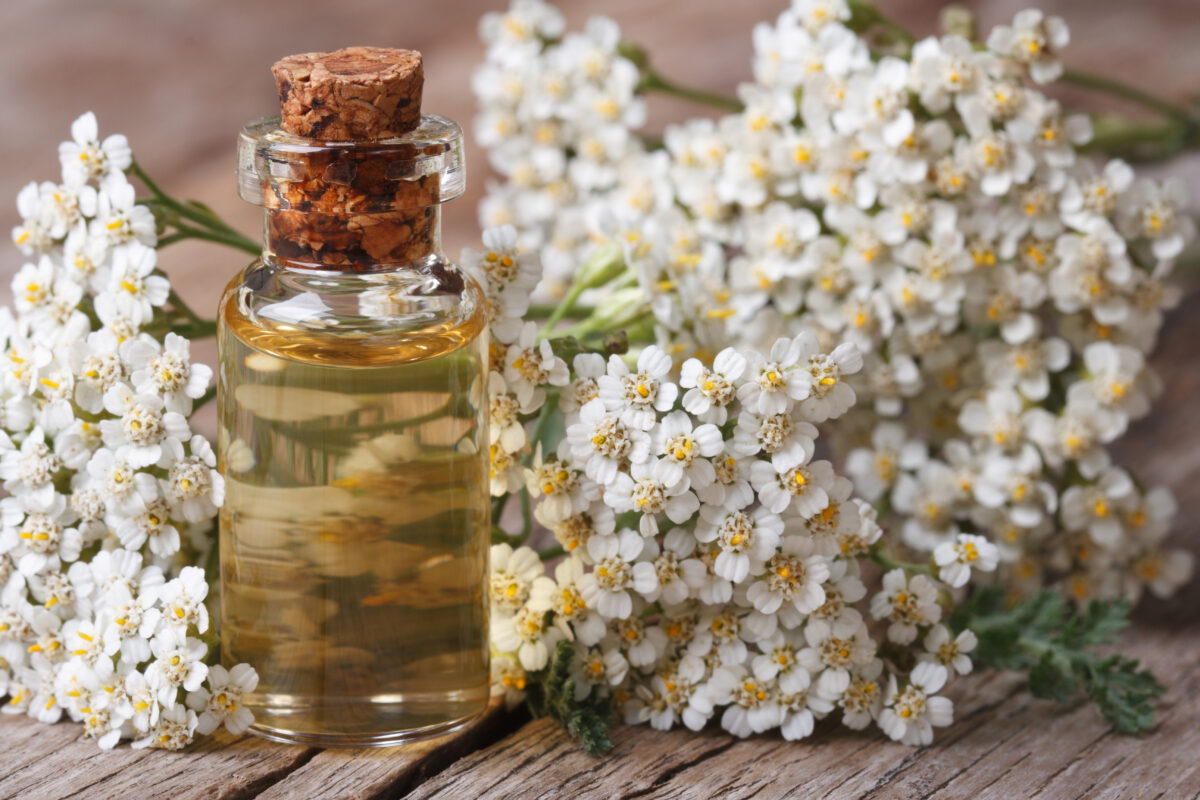
A tincture is basically a concentrated liquid that can be used for medicinal purposes. It requires infusing fresh or dried yarrow in alcohol for a period of time, then straining the solids out of the alcohol and using the saved infused liquid for therapeutic reasons.

This tincture is typically used for small cuts, burns and scrapes to help clean and to stop bleeding.

Yarrow Tincture How-To

Supplies:

1 pint-size canning jar with lid and ring
Fresh or dried yarrow flowers
Vodka of your choice
Fine mesh sieve
Measuring cup with pour spout to collect infused liquid
Clean container with lid to store tincture, ideally a dark bottle with dropper or spray top.

Directions:

1. Clean your canning jar with hot, soapy water.

2. Fill the jar halfway with fresh or dried yarrow flowers.

3. Pour enough vodka over the flowers to completely cover them. If using dried yarrow, add a little extra vodka as the dried flowers do absorb more of the vodka than when using fresh flowers.

4. Place the lid on the jar and tightly screw on the ring. Place the infusion in a dark cupboard for at least one month. Occasionally, tip the jar upside down to mix up the ingredients.

5. Pour tincture into a clean bottle and screw on the lid.

Final Thoughts on Yarrow

Yarrow is both a beautiful perennial and a valuable herb. From simple dried flower crafts to soothing tea and powerful tinctures, yarrow uses are practical and accessible. Whether you grow it for its color in the garden or its healing qualities in the home, yarrow offers lasting rewards that make it well worth cultivating.

This article about yarrow uses was written for Hobby Farms magazine. Click here to subscribe.

Categories
Poultry

Feather Loss in Chickens: Causes and How to Prevent It

Feather loss in chickens can appear in backyard flocks for several different reasons, besides the annual fall molt. Whether your flock is suffering from this condition due to lice, behavior problems, or another cause, learn how you can prevent and cure feather loss in chickens.

Molting and Natural Feather Loss in Chickens

Molting feather loss in chickens is usually easy to recognize by the large amount of chicken feathers scattered in the coop and run. Most chickens molt annually in the fall, but even when molting other times of the year, a molting chicken is easy to spot.

Another way to tell if a chicken is molting is if they have new feathers growing in. These little feathers may not be visible to the eye at first, but if you lightly brush the back feathers up, you will see new feathers poking through.

Feather loss in chickens is no big deal if the cause is molting, but if caused by a dietary deficiency or behavior problem, it’s time to act.

So, why does non-molting feather loss in chickens appear, and how do you keep it from happening? Here are several suggestions and solutions to fix the feather loss in your flock.

Feather Loss in Chickens from Rooster Breeding

In flocks where a rooster(s) is present, hens will often display feather loss near the comb, where the rooster holds onto the hen’s head feathers to keep from sliding off her back during breeding. Hens that are frequently bred will also have feather loss on their backs, necks, and shoulders. If at any time, the hen’s back is ripped open, be sure to isolate the hen until she heals and her feathers grow back.

To prevent feather loss in chickens due to overbreeding, maintain a good hen-to-rooster ratio (about one rooster for every ten hens). Limit the number of roosters per flock to prevent breeding aggression.

In flocks where there is only one rooster, put a hen saver on the rooster’s favorite hens to prevent significant feather loss. ( found from hatchery websites, farm supply stores, and Etsy.)  Not all hens or roosters respond well to hen savers (some roosters will try to spur the hen saver and cause injuries to the hen wearing the protective clothing), so be sure to observe your flock to make sure everyone responds well to your hens’ new look.

Feather Loss in Chickens from Feather Pulling

Another cause of feather loss in chickens is feather pulling. While feather pulling is a sign of cannibalism, that is not the only reason some chickens pull feathers.

Other reasons feather pulling may occur include boredom, stress, and nutritional deficiency. Chickens that feather-pick are often sly, so you may have to do some detective work to catch the culprit. If feather picking occurs during the day, discovering the problem chicken is usually easier than chickens that feather pick at night.

However, if you suspect one of your chickens has a feather-picking bedtime ritual, here are a few steps you can take to stop the problem.

  1. Separate the feather-picking hen at night to prevent further feather loss.

  2. Say no to artificial light in the coop. A dark coop at night will make it harder for a chicken to see her targets and help reduce stress in the flock.

  3. Relocate the feather pecker. Sometimes, a simple rearranging of the chickens on the perch after the hens fly up to roost for the night can stop a feather picker from pulling feathers.

Feather Loss in Chickens Due to Boredom and Stress

Stressed and bored chickens can be prone to feather picking, for lack of anything better to do. Often in backyard chicken flocks, these two emotions (boredom and stress) are intertwined.

Preventing stress and boredom can be challenging, so if you aren’t sure how to prevent them in your flock, here are a few suggestions.

  • Provide a spacious coop and run
  • Avoid overcrowding the coop and run
  • Avoid free-ranging (supervised free range time instead to cut down on predator attacks)
  • House aggressive breeds separately from docile chickens
  • Remove flock bullies
  • Prevent predator attacks (While most chickens who were attacked by a predator are too traumatized to engage in feather pulling, predators are one of the largest stress factors in backyard flocks.)
  • Provide chicken-safe, mental stimulation, such as treat balls, chicken swings, etc.

Feather Loss in Chickens Caused by Protein Deficiency

Protein deficiencies can be a common reason for feather loss in chickens, especially in high-production breeds. A lack of protein in the diet can cause chickens’ feathers to become brittle and fall out, but it can also contribute to feather pulling.

If not provided with enough protein, some hens will start to pick and eat feathers, including already dropped feathers off the coop floor.

Supplementing your flock’s diet with additional chicken-safe protein is an excellent way to help your flock rebuild its depletion. Add healthy protein sources to your flock’s diet, such as black soldier fly larvae, broccoli, pumpkin seeds, and cooked scrambled eggs.

Feather Loss in Chickens from Lice and Mites

Feather loss in chickens can also be caused by a lice or mite infestation in the coop. Mites and lice can cause chickens to preen excessively, and the bugs can also chew the feathers, resulting in feather loss, especially around the vent and under the wings.

To check your flock for lice, carefully part the feathers around the vent area. If tiny, straw-colored bugs are visible or clusters of white eggs are seen around the base of the feathers, treat your chickens with a natural, poultry-safe lice treatment.

Mites are best detected by running a piece of white paper on the underside of the perch first thing in the morning, just after the chickens exit the roost for the day.

Treat mites by mixing half and half apple cider vinegar with water. Spray chickens with this mixture, making sure to stay clear of their eyes.

Feather loss in chickens can occur for many reasons. Paying close attention to your flock’s behaviors and feeding a healthy diet supplemented with healthy, nutrient-rich treats will help reduce the chances of feather loss in your flock.

This article about feather loss in chickens was written for Hobby Farms and Chickens magazines. Click here to subscribe.

Categories
Farm & Garden

Is Rainwater Better for Your Gardens? Here’s Why It Helps

Is rainwater better for your gardens than tap water? Many gardeners think so—and they’re right. The benefits of rainwater for plants are many. And it’s something many gardeners notice. During a dry period with little or no rain, you can water and water and water with a hose, and achieve acceptable results, keeping the garden going between rains. But when that rain does arrive, the garden plants just seem to thrive and flourish in a way that is different from the hose water. Is this a true perception? And if so, what’s going on?

Is Rainwater Better for Your Gardens Than Tap Water? 3 Reasons Why It Is

You’re not incorrect to observe that rainwater is more beneficial to a garden than well or city water. But water is water, right? Why is rainwater better for plants? It’s not necessarily the H2O itself; it’s the other things dissolved in the water that are so important to your plants, in both a negative and positive way.

1. Rainwater is naturally a tad acidic — with a pH of about 5.6, mostly from carbon molecules dissolved in it. This is desirable for plants, since most tend to want slightly acidic soil.

2. Rainwater contains nitrates — nitrogen from the atmosphere that has been modified into a plant-friendly form by lightning, and then delivered to the garden in the form of rain. Nitrogen is, of course, one of your garden’s major macronutrients. Think of the expense and effort you must sometimes expend to increase soil nitrogen, either by purchasing fertilizer or by making your own compost. But rainwater delivers at least some plant-friendly nitrogen automatically, right from the sky. You get the benefits of water and free nitrogen in one rainstorm!

3.  What rainwater doesn’t contain is any additives — chlorine, fluoride, salts, or treatments that private wells or municipal water sources might include for various housekeeping purposes. Rain from the sky that hasn’t touched any other surfaces is simply fresh and pure!

There’s no question that water from private wells or municipal water sources can hydrate the garden just fine. And in a dry spell, you don’t have much choice! But well water can sometimes contain unnecessary minerals, and the pH might be considerably more alkaline than rainwater.

Is Collected Rainwater Safe for Your Garden?

Many gardeners create a rainwater collection system with a rain barrel, in an effort to extend the benefits of rain for the garden even on hot dry days. But this type of system isn’t recommended for fruit or vegetable gardens, because the water isn’t sanitized—it’s contacted your roof, which can be full of bird and animal bacteria. Also, algae can form in the barrel. Pure rainwater from the sky is still the best for your veggies!

Is Rainwater Better for Your Gardens? – Final Thoughts

When it comes down to the question “is rainwater better for your gardens?” the answer is yes. Rainwater not only hydrates but also enriches plants with nitrogen, supports healthy soil pH, and avoids the additives found in treated water. While tap or well water will always have its place, especially in dry times, fresh rain remains the gold standard for keeping gardens lush and thriving.

This article about is rainwater better for your gardens was written for Hobby Farms magazine. Click here to subscribe.

Categories
Poultry

Fluffy Chicken Breeds: Top Picks for Your Backyard Flock

Fluffy chicken breeds are some of the most charming and eye-catching additions to any backyard flock. Known for their soft, dense plumage, unique crests, and friendly personalities, these chickens are as delightful to watch as they are to care for. From Silkies and Polish to Houdans and Sultans, each breed offers a mix of beauty, temperament, and egg-laying ability, making them perfect companions for families and hobbyists alike.

Fluffy and Crested Chicken Breeds

Silkie

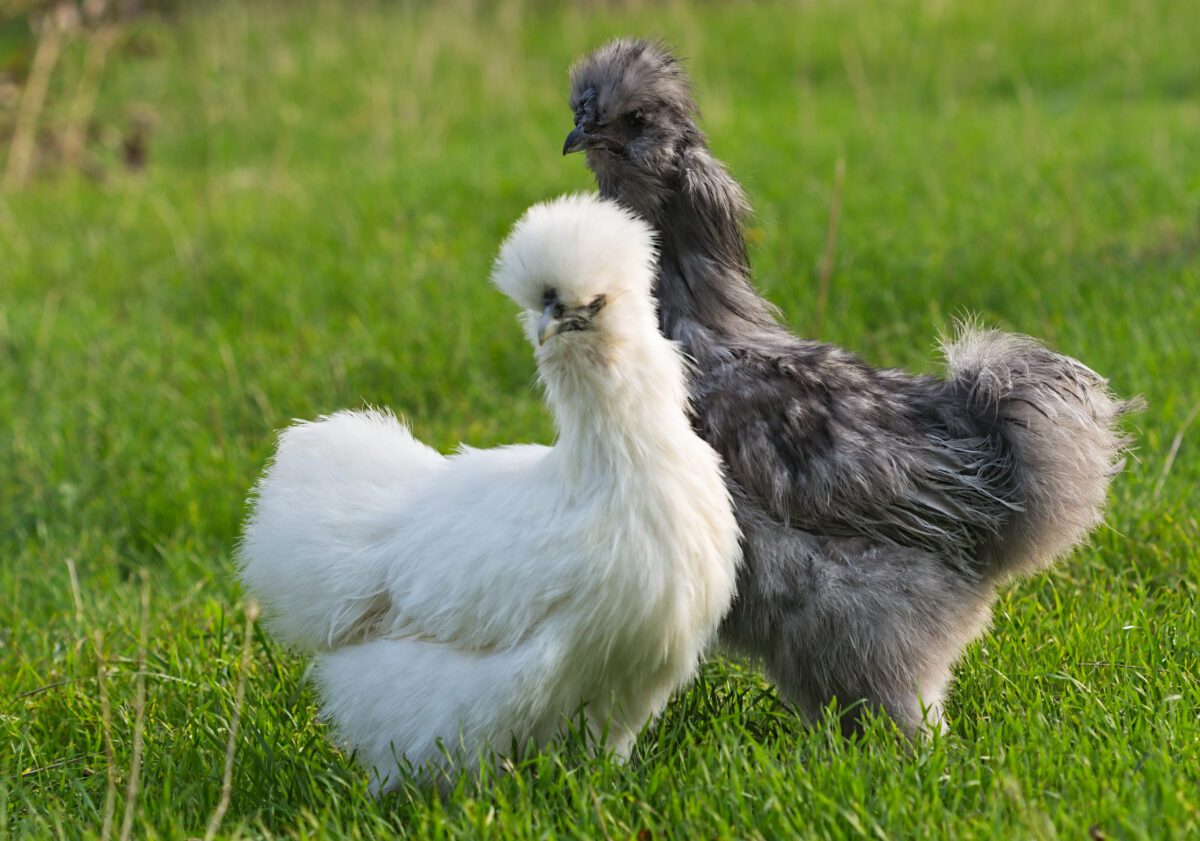
Silkie chickens are one of the most popular fluffy chicken breeds, prized for their soft, fur-like feathers and gentle demeanor. Originating in Asia, these small chickens are excellent pets for children and hobbyists. Silkies lay small, cream-colored eggs and are not as hardy in wet or cold climates, as their feathers aren’t waterproof. They require minimal but consistent grooming and enjoy being handled, making them perfect for pet flocks.

Fun Fact: Silkies have black skin and bones, a unique trait among chickens.

Polish

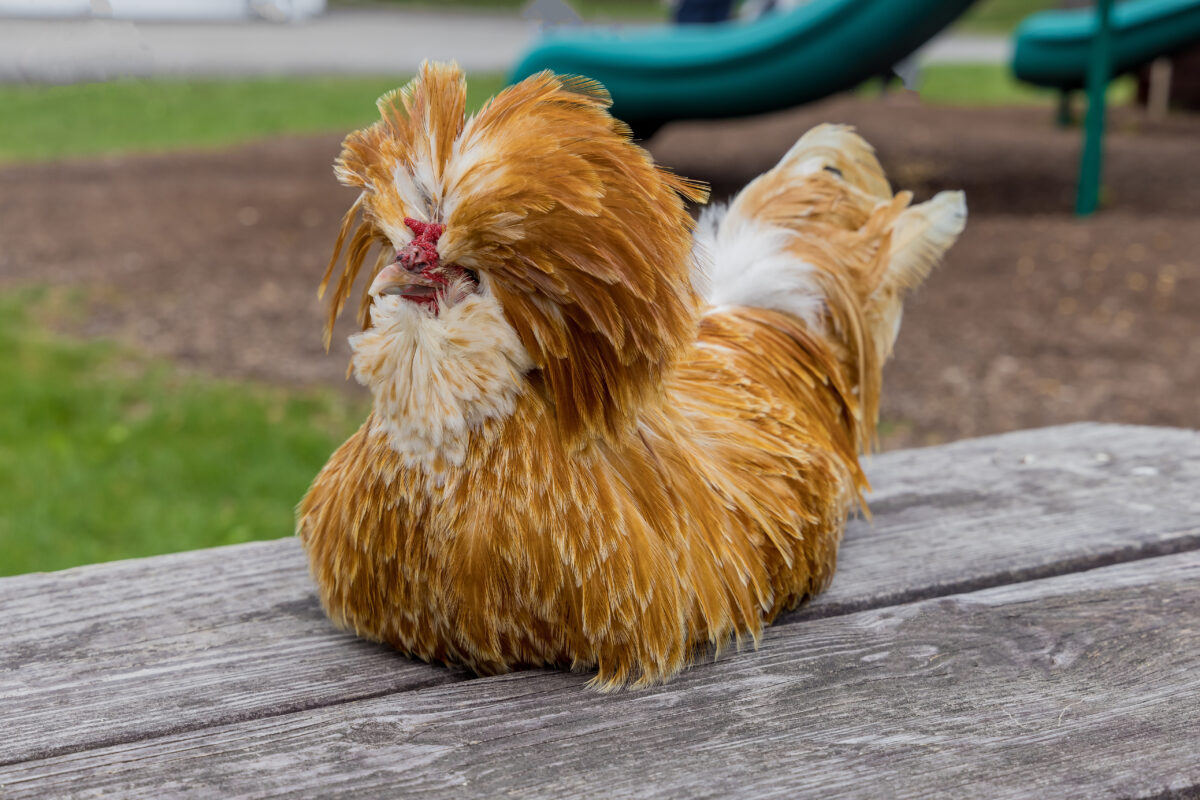
Polish chickens are likely the most recognizable fluffy chicken breed, with a distinctive crest of feathers on their heads. Originally from the Netherlands, they come in a variety of colors and are known for fair to good egg production. Polish chickens are docile but can be flighty due to their limited vision from their feathered crests.

Care Tip: Regularly trim the crest feathers around their eyes to improve vision and prevent accidents.

Houdan

The Houdan is a striking French breed with a feathered crest and five toes on each foot. As a dual-purpose breed, they are suitable for both meat and egg production, though they are not prolific layers. Houdans are docile and enjoy foraging, but do best in free-range environments.

Crevecoeur

Crevecoeurs are elegant, all-black, fluffy chicken breeds with a unique crest that gives them a regal appearance. Hailing from France, they are dual-purpose chickens with moderate egg-laying capabilities. Crevecoeurs are friendly but can be a little shy, so they benefit from gentle handling.

Sultan

Sultans are highly ornamental chickens originally bred in Turkey. They feature a full crest, feathered shanks, and a fifth toe. Sultans have fair egg production and an active temperament. Their extravagant plumage requires some extra grooming to keep clean, but they make a striking showpiece in any flock.

Appenzeller Spitzhauben

Originating from Switzerland, the Spitzhauben is named for its pointed, bonnet-like crest. These chickens are active and flighty, with fair egg-laying abilities. They are hardy birds that enjoy foraging and do well in mixed flocks with enough space.

Caring for Fluffy Chicken Breeds

When raising fluffy chicken breeds, special attention is needed for extreme temperatures. Because of their heavy crests and dense plumage, they can struggle in both very hot and very cold climates.

Heat Tips

  • Provide plenty of shade and cool water.
  • Offer electrolytes during hot spells
  • Trim feathers around the eyes if necessary to improve airflow.

Cold Tips

  • Protect combs and wattles from frostbite with proper coop bedding.
  • Ensure the coop is dry and draft-free.

Daily Care

  • Brush or gently check plumage for mites and debris.
  • Allow free-ranging or secure run space to prevent boredom.

Why Choose Fluffy Chicken Breeds?

Fluffy chicken breeds aren’t just beautiful—they’re friendly, interactive, and entertaining. Many make great pets for families or children, and their unique appearance makes them a conversation starter at shows or in your backyard. By selecting the right breed for your climate and lifestyle, you can enjoy both the charm and practicality these birds offer.

This article about fluffy chicken breeds was written for Hobby Farms and Chickens magazine. Click here to subscribe.

Categories
Farm & Garden

Caterpillar Garden: Plant to Support Every Butterfly Stage

Caterpillar garden design goes beyond planting nectar-rich flowers for adult butterflies. Like honeybees, many moth and butterfly species face habitat loss and pesticide exposure, threatening their survival. And, like bees, these insects are essential pollinators. To help them thrive, more gardeners are turning to the concept of a caterpillar garden—planting specific host plants that sustain every life stage, from egg to caterpillar to winged adult.

These more aptly named “caterpillar gardeners” have broadened their perspective to include the specific host plants required to support every life stage—from egg to caterpillar to glorious, winged adult. And it’s about time. The U.S. Fish and Wildlife Service currently lists more than 30 butterflies, moths and skippers as threatened or endangered. The Xerces Society for Invertebrate Conservation has red-listed many others. Fortunately, if you reintroduce the right native host plants for butterflies in your area, egg-laying females invariably will discover them.

How to Start a Caterpillar Garden

If you have a butterfly garden that’s heavy on nectar plants, you need only intersperse a few new larval host plants such as parsley and rue. Of course, deciding just what to plant depends on your location and growing conditions as well as which species you’d most like to attract. Some suggestions to get you thinking like a true caterpillar gardener follow.

To truly welcome caterpillars, you might also need to welcome some “weeds.” That means avoiding herbicides and pesticides and raising the deck on your lawn mower to allow clover, violets and other volunteer plants to flourish. Do this, and you’ll get loads of interesting caterpillars and, yes, more butterflies, too.

Caterpillar Garden Host Plants You Might Call Weeds

The larval stages of the great spangled fritillary and the regal fritillary happen to feed on wild violets. Caterpillars of the northern metalmark butterfly are supported by some types of ragwort and fleabane. Yellow thistle is the main host plant for the little metalmark. As for the Milbert’s tortoiseshell butterfly? It deposits eggs on stinging nettle. Do you have patches of clover or alfalfa growing? You’re more likely to attract southern dogface butterflies.

butterflies caterpillars gardens eggs
Susan Brackney

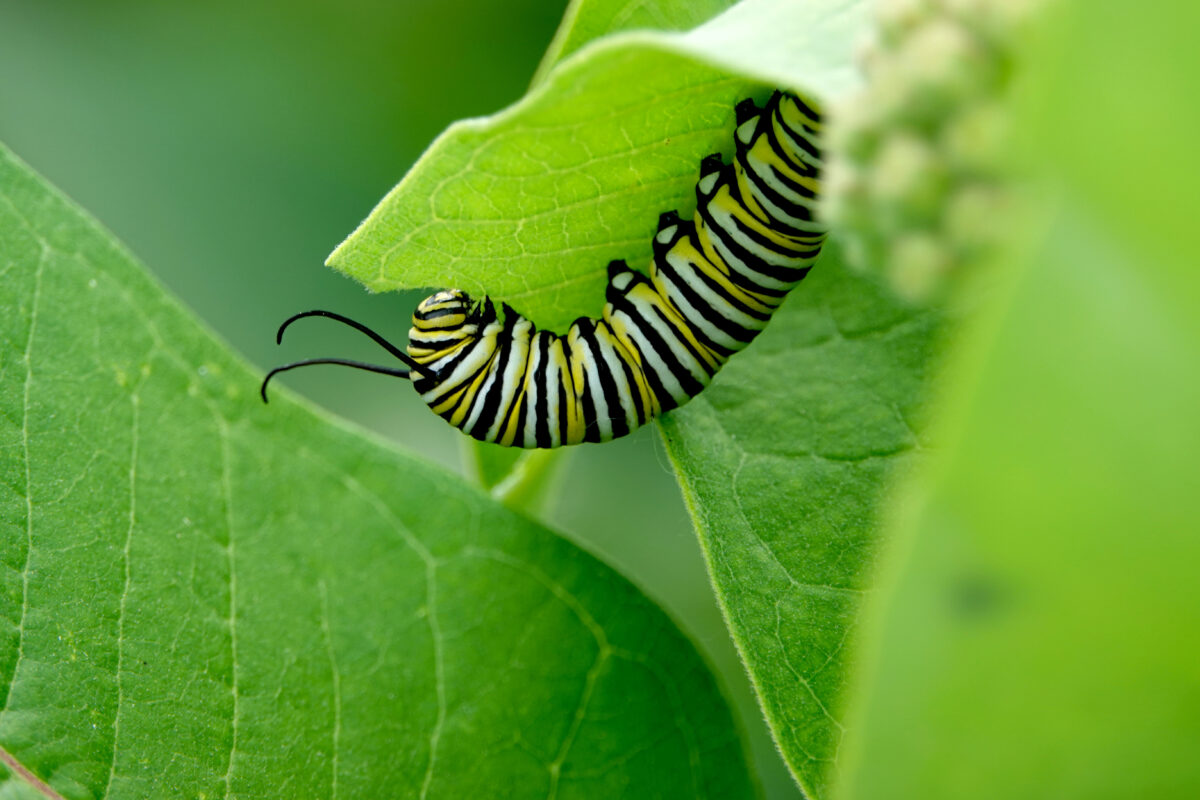
Also, by now you’ve probably heard about the need to re-establish native milkweed populations. Because milkweed is the only host plant for the embattled monarch butterfly (a caterpillar of which is pictured at the top of this post), growing several varieties of this valuable plant in your caterpillar garden can make a big difference. Just choose the best milkweed types for your area.

Trees and Shrubs for a Caterpillar Garden

If you have room to include larger trees and shrubs, several attract egg-laying butterflies. For instance, hackberry trees support the unusual-looking American snout butterfly. Mourning cloaks are attracted to birches, cottonwoods, elms and willows, among others. The banded hairstreak lays its eggs on the leaves of ashes, oaks, hickories and walnut trees.

butterflies caterpillars spicebush swallowtail caterpillar
Susan Brackney

Several kinds of swallowtails are also attracted to trees and shrubs. For example, Eastern, tiger and spicebush swallowtail butterflies (shown above) lay their eggs on spicebushes. They’re also drawn to aspen, tulip, sassafras and willow trees.

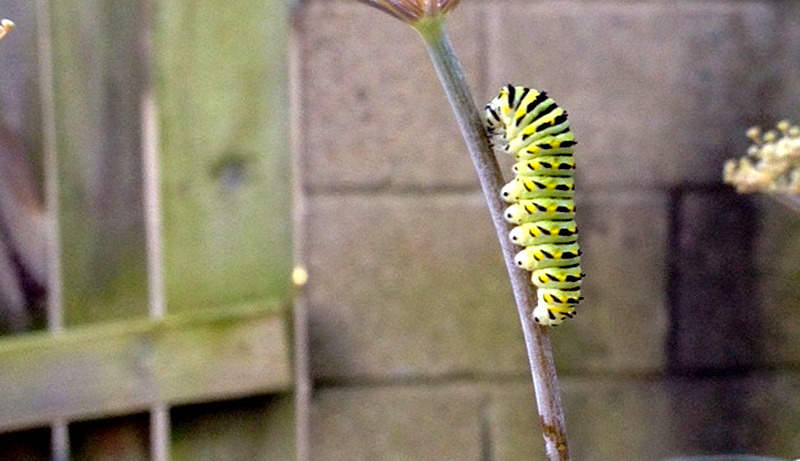
butterflies caterpillars eastern black swallowtail caterpillar
Susan Brackney

Paw paw trees play host to zebra swallowtail caterpillars. Other fruit trees, including apple, cherry and plum, serve as host plants for viceroy butterfly caterpillars. The dainty spring azure butterfly also uses some of these, along with maple trees as well as viburnum and blueberry bushes. Viburnum, highbush cranberry and snowberry bushes are just a few of the landscaping plants that can support hummingbird clearwing and snowberry clearwing moths.

Herbs and Flowers for Caterpillars

While bronze fennel, dill and parsley are essential hosts for black swallowtail butterfly caterpillars, giant swallowtails use rue as their host plant. To raise its young, the showy pipevine swallowtail butterfly depends on native pipevine species such as Dutchman’s pipe.

Love fall asters? Then you just might attract northern or pearl crescent butterflies. Can you grow passionflower? Its stunning vines support Gulf fritillary caterpillars.

For their part, painted lady butterflies like mallows and hollyhocks. The rarer frosted elfin and Karner blue butterflies lay their eggs on wild lupines.

There are, of course, hundreds of other plant-and-caterpillar combinations to explore. To help you get started, the North American Butterfly Association offers regional garden guides for many parts of the U.S. Each guide lists the top native and non-native “caterpillar food” plants for individual regions as well as the common (and less common) butterflies that these gardeners can expect to attract.

Finally, no matter which food plants you choose to include, plan to add copious amounts of them. You’ll learn the mark of any truly successful caterpillar garden—be prepared to see your stands of dill, fennel and milkweed decimated as voracious caterpillars have their way with them.

This article about cultivating a caterpillar garden was written for Hobby Farms magazine. Click here to subscribe.

Categories
Poultry

Polish Chicken Breed: History, Traits & Care Tips

Polish chicken breed enthusiasts prize these elegant, crested birds for their striking appearance and gentle temperament. Developed in the Netherlands despite their name, Polish chickens have graced art, farmyards, and exhibition halls for centuries. Available in a variety of colors and in both standard and bantam sizes, they are as much a delight to look at as they are to keep. While some strains are fair egg layers, most are valued primarily for exhibition, and their elaborate feather crests require special attention to keep them healthy and looking their best.

Uses of the Polish Chicken Breed for Eggs and Exhibition

The Polish chicken breed is used mainly for exhibition. Some strains lay three to four medium-sized, white eggs per week, while others are mediocre layers.

History of the Polish Chicken Breed

The origin of the Polish chicken breed is obscure. It didn’t originate in Poland; rather, breed historians believe Spanish immigrants who settled the rich lowlands of the southern Netherlands in the late 1500s brought the chicken breed with them from Spain. Dutch fanciers developed the Polish chicken breed, which is widely depicted in Dutch and Italian paintings from the 16th through 18th centuries. Crested Polish chickens were mentioned as purebred in the 16th century, according to the American Poultry Association, and were imported to America between 1830 and 1840. The breed was, for a time, a favorite with American farmers and chicken fanciers. The American Poultry Association accepted three Polish varieties into the American Poultry Association’s Standard of Perfection in 1874; additional varieties were accepted in 1883, 1938 and 1963.

Polish Chicken Conformation and Appearance

Although the APA prefers Polish chickens with a natural absence of a comb, it’s acceptable for the breed to have a small, V-shaped comb and a bountiful crest of feathers sprouting from a cone-shaped protuberance on its head; some varieties are also bearded. The breed’s lavish crests rest like a pouf over its eyes, making it difficult for the chicken to see, though the APA breed standard is for the crest to rise well in front so as not to obstruct sight. The Polish chicken breed comes in both standard and bantam sizes in an array of colors, including Black-crested White, White-crested Blue, Golden, Silver, White and Buff Laced. Standard Polish cocks weigh 6 pounds and hens weigh 4½ pounds. Bantam cocks weigh 30 ounces and hens weigh 26 ounces.

Special Considerations for Raising Polish Chickens

If a Polish chicken’s crest gets wet and dirty, it can hang directly in its eyes, leading to eye infections and the inability to locate food and drink. Some Polish fanciers who don’t show their birds trim the bangs in their crests to eliminate these problems.

This article was written for Hobby Farms and Chickens magazines. Click here to subscribe.