Categories
Farm & Garden

How to Build An Eastern Screech Owl Nest Box

How to build an eastern screech owl nest box is important if screech owls (Megascops asio) are regular residents of your property. Their high-pitched, whinnying call can be heard on summer nights. Found all across the eastern U.S., Canada and Mexico, eastern screech owls are nocturnal predators that feed on mice, voles, rabbits, squirrels and even large insects. Another species, the western screech owl (Megascops kennicottii) is nearly identical, and it’s found across the western part of the continent. It’s important to encourage as many screech owls as possible because they help control rodents. You can encourage them by building an Eastern screech owl nest box.

Both types of screech owls are cavity nesters, typically making a home in a previously excavated woodpecker hole or in a manmade nesting box. Breeding pairs often return to the same hole every season. They prefer open woodlands, grasslands and parks for nesting sites, but they’ve adjusted quite well to humans and can often be found nesting in suburban backyards.

We encouraged these helpful nocturnal predators to call our home theirs by erecting a screech owl nesting box on our property. Eastern screech owls typically lay eggs in April, with each brood containing between one and six eggs. After a near month-long incubation period, the eggs hatch. The parent owls feed their growing babies lots of bugs (including beetles, cicadas and crickets) as well as pieces of animal flesh. Here are the plans we use to make our screech owl nest boxes. The original plan for this screech owl nesting box came from the Treasure Coast Wildlife Center in Florida.

What You’ll Need to Build an Eastern Screen Owl Nest Box

  • 1 8-foot-long, 1-by-10-inch cedar board
  • 1 box 1¼-inch wood screws
  • 1 set of two 1½-inch hinges
  • miter saw or circular saw
  • measuring tape
  • framing square
  • straight edge
  • cordless drill
  • spiral bit set
  • driving bit set
  • 3-inch hole saw bit
  • sandpaper
  • safety glasses
  • work gloves

How to Build an Eastern Screen Owl Nest Box – Steps 1 to 5

Step 1

wood needed for making a screeech owl nest box
Jessica Walliser

Measure and mark the cedar board according to the following photograph. Then use a miter or circular saw to cut the board into pieces along the marked lines.

Step 2

making an eastern screeech owl nest box
Jessica Walliser

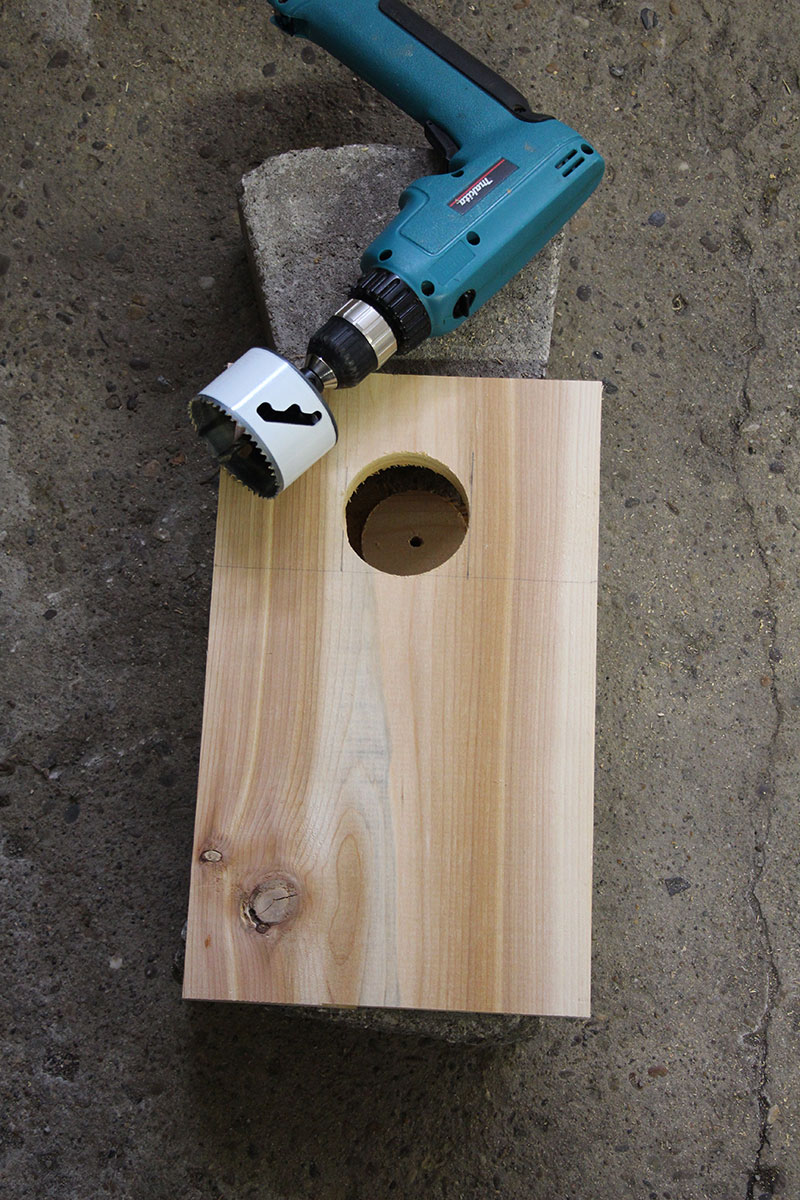
Take the piece marked as the front panel and drill a 3-inch hole in the center so the bottom of the hole is 10 inches from the base of the panel.

Step 3

making an eastern screeech owl nest box
Jessica Walliser

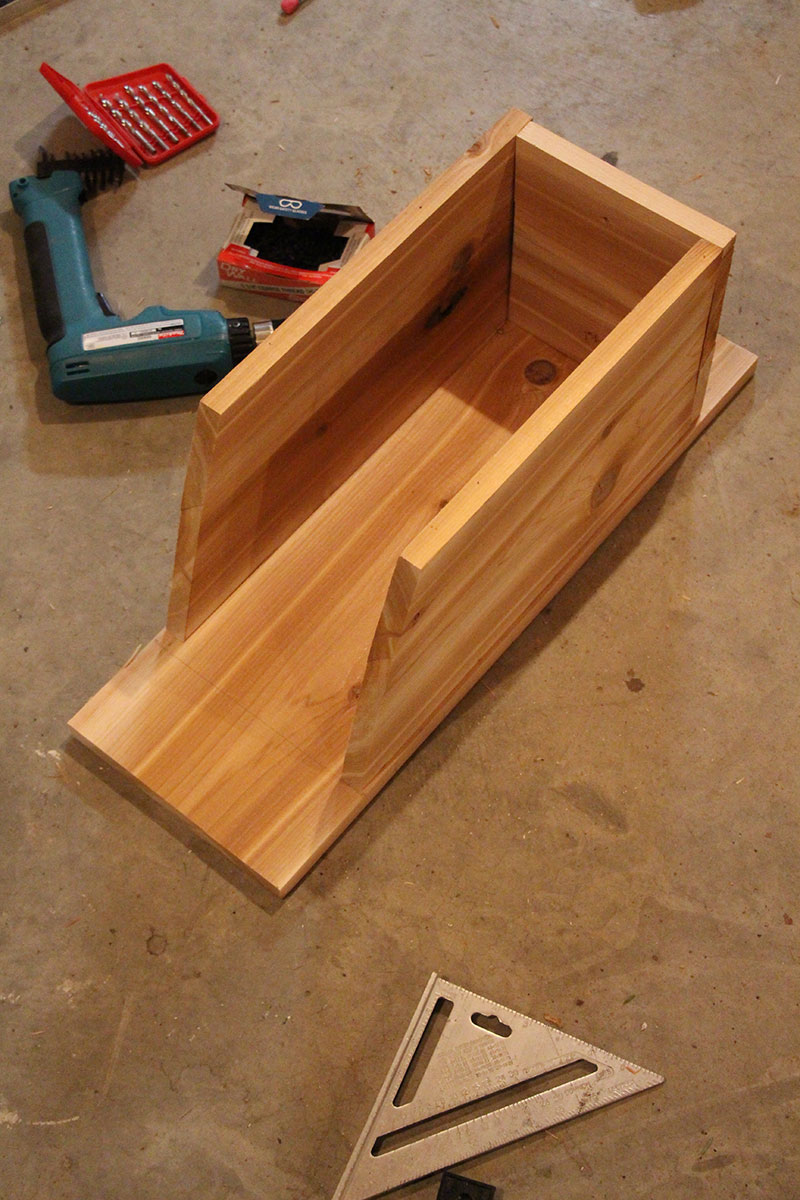
Lay the piece marked as the back panel on a level work surface. Set the two side panels up on their back edges. (The highest edge of their slope should be against the back panel.) Put the piece marked as the bottom panel against what will be the bottom of the box.

Step 4

making an eastern screeech owl nest box
Jessica Walliser

Predrill holes for the screws and attach the bottom panel to the base of the sides.

Step 5

Carefully lift the now connected, U-shaped side and bottom panels off the back panel and flip them over, putting them face-down onto the level work surface. Place the back panel on top of them, lining the side edges up so there’s a small overhang on each side. The top of the back panel should extend about 4 to 5 inches beyond the top slanted edge of the side panels.

How to Build an Eastern Screen Owl Nest Box – Steps 6 to 10

Step 6

making an eastern screeech owl nest box
Jessica Walliser

Predrill holes along both edges of the back panel, and then screw the back panel to the side panels along each edge.

Step 7

making an eastern screeech owl nest box
Jessica Walliser

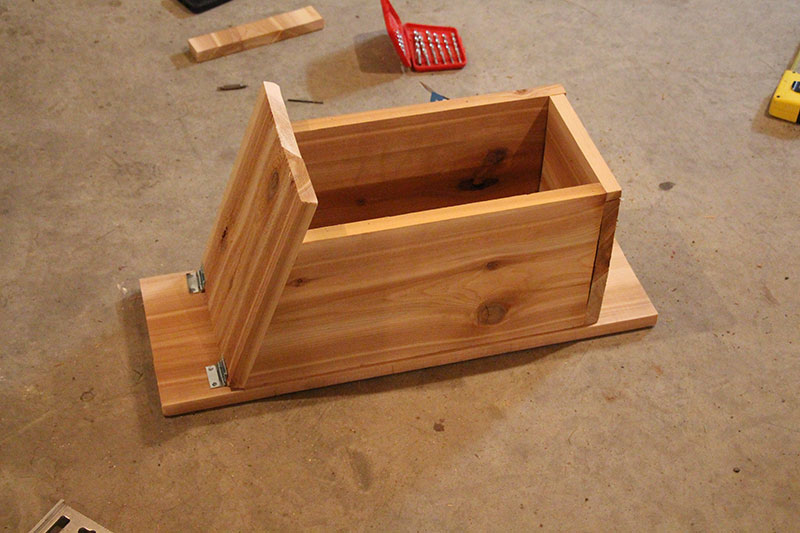
Flip the project over so it’s resting on the back panel again. Attach the hinged roof by placing the roof panel on the slanted edge of the side panels. Put the hinges in place, mark the holes, predrill a hole for each screw, and then secure the hinges to the back panel and the roof.

Step 8

making an eastern screeech owl nest box
Jessica Walliser

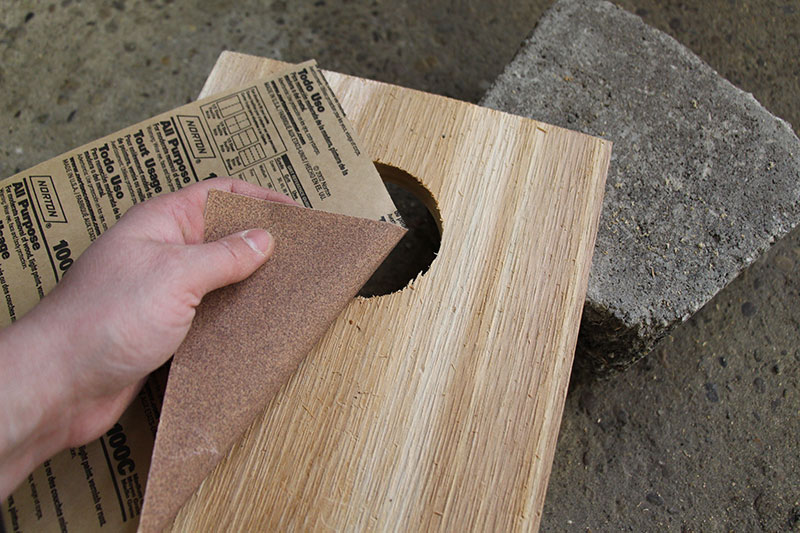
Sand the edges of the 3-inch hole in the front panel.

Step 9

completed eastern screech owl nest box
Jessica Walliser

Attach the front panel to the nest box by predrilling three holes along each edge and then screwing the front panel in place.

Step 10

Your screech owl nesting box is now complete. Cedar is a naturally rot-resistant wood, so there’s no need to paint or stain the box. Over time, it will weather to a soft gray.

Placing Your Eastern  Screech Owl Nest Box

Your Eastern screech owl nest box should be hung on a pole, tree, shed, barn or other structure about 10 to 15 feet off the ground. Try to place it in an open area near a tree line.

Like all owls, screech owls will not build a nest inside of their nesting cavity or box. Instead, the females lay their eggs on whatever materials remain from the previous resident’s excavation or nesting efforts. To mimic this natural debris, put a few inches of wood shavings or pine needles in the bottom of the box.

Each winter, clean out the nest box and replace the wood shavings in the bottom of the box.

This article about how to build an Eastern screech owl nest box was written for Hobby Farms magazine. Click here to subscribe.

Categories
Recipes

Corned Beef and Hash Recipe With Eggs and Cabbage

Corned beef and hash whether served for breakfast, lunch or dinner, makes a comforting spring meal. Baked eggs add a delicate flavor to the savory beef and potatoes. Meanwhile, cabbage gives it some leafy greens to keep a hefty serving from sitting too heavy on a busy morning.

Around St. Patrick’s Day, it provides a great way to use leftover corned beef and chopped pastrami from the deli makes an ideal year-round substitute. 

Yield: 4 servings

Ingredients

  • 1 12  pounds red potatoes 
  • 2 tablespoons unsalted butter
  • 2 12  cups chopped or shredded cabbage
  • 1 small yellow onion, diced
  • 12  pound cooked corned beef or pastrami, chopped
  • 12  teaspoon fine sea salt
  • 14  teaspoon ground black pepper
  • 4 large eggs
  • chopped cilantro or parsley for garnish

Read more: Travel by taste with these international egg recipes!


Preparation

Pierce the potatoes in a few spots with a fork. Microwave for 3 to 5 minutes, until just barely tender. The goal of this step is to help the potatoes cook more quickly in the skillet. Once they’re cool enough to handle, chop the potatoes into about 12-inch pieces.

Preheat the oven to 375°F. 

In a large oven-safe skillet, melt the butter over medium-high heat. Add the potatoes and cook for 5 minutes, until they begin to brown on the edges. Stir in the cabbage and onion, cook for 3 to 5 more minutes until the vegetables are softened. 

Reduce the heat to medium-low. Add the corned beef or pastrami. Stir well for about 1 minute until it’s heated through. Season with the salt and pepper, adding more to taste if desired. 

Spread the contents of the skillet evenly along the bottom of the pan. Use a spoon to make four wells in the hash. Add one egg to each of the wells. 

Bake for 12 to 15 minutes until the eggs are set. Sprinkle with cilantro or parsley and serve warm. 

This corned beef and hash recipe with eggs and cabbage was written for Chickens magazine. Click here to subscribe.

Categories
Poultry

Brooding Chicks for Beginners: 8 Tips for Success

Brooding chicks is easy and fun if you know a bit about their temperature, nutrition and shelter needs. How do you brood chicks?  Brooding, done correctly, can be a wonderful experience and it can be a great alternative to buying adult birds.

Brooding Chicks Defined

Technically, brooding chicks is defined as the period from hatching until supplemental heat is no longer needed. For most people, this means the time period that the chicks need to be kept inside or with a heat lamp, which is generally somewhere between three to eight weeks. The smaller and slower-growing the breed is, the longer it will need the support of brooding.

This is a critical time for your chicks. They’re growing rapidly; they can’t handle most outdoor environments because they don’t regulate temperature as adult chickens do; and they’re at their most vulnerable for disease. Brooding is also when incorrect incubation or poor parent stock is most obvious; sickly chicks are more difficult to raise and require more extensive management.

Luckily, there are a few ways that brooding chicks can be explained to make sense of it all. Many of these categories are the same for adult-bird management, but instead of a one-size-fits-all mentality, you will have to alter and change the environment and the rules as your birds grow.

Eight Things To Remember When Brooding Chicks

There are eight different things chicken keepers need to remember when they are brooding any kind of bird, be it chickens, turkeys or quail:

  • light
  • temperature
  • ventilation
  • humidity
  • bedding
  • feed
  • water
  • mortality

1. Light

Your lighting fixture fills two needs: heat and light to see by. Most backyard chickens are raised with heat lamps hung over the brooder. These lamps are easy to find at local feed-supply stores or online and are easy on the wallet—something that can’t be said for pan brooders or heaters. The temperature generated by a heat lamp is easily adjusted by raising and lowering the lamp. Remember, never hang lamps by their electrical cord, as his is the easiest way to start a fire; instead, use a chain or rope.

Pan brooders or heaters are generally used in larger brooding situations (i.e., commercial flocks) and are large and expensive for the average small flock. In fact, even mid-sized flocks often use multiple heat lamps to save the initial investment and ongoing expense of other heating options.

Heat lamps also offer another positive: color conditioning. Color conditioning uses different colors of lamps (red being the most common) to change chick behavior. While studies on blue, yellow and green lighting have not shown any significant change in chick behavior, red lamps have been shown to reduce aggression in most species of poultry. For this reason, most vendors will offer red lights next to their typical incandescent models.

2. Temperature

While it sounds easy to adjust your brooder temperature by changing the height of your lamp, in practice, it can be difficult. Technically, you should have a thermometer in the center of your brooder and a thermometer on the edge of your brooder, with at most a 10-degree difference between the two thermometers. Different chick ages have different temperature requirements; on the first day, start with the center temperature being 90 to 95 degrees F, and reduce by 5 degrees each week.

In reality, most people follow the cluster rule: If your brooding chicks are clustered all under the lamp, it’s too cool, and if your brooding chicks are all clustered around the edge of the brooder, it’s too warm. Optimally, they should be spread throughout the brooder comfortably moving around.

The main thing to remember if you are maintaining the temperature of your brooder via a method other than heat lamps is that chickens aren’t always very good at self-preservation. Using a heating pad can result in severe burns on the feet and keel, and using a heat source that is horizontal to the brooder, such as a standing heater, can cause some chicks to burn or overheat as the ones behind push them too close to the heat source. Next to heat lamps, overhead heaters, such as lamp or pan brooders, tend to be the safest method giving the chicks the possibility of searching their temperature comfort zone.

3. Ventilation

Similar to light and heating, ventilation and humidity are very closely related. High ventilation lowers your humidity by blowing the water vapor in the air away, and low ventilation can cause humidity to become too high, creating a soggy environment. Balancing the two against each other tends to be easy in small brooding situations but becomes more difficult with a larger flock size.

Ventilation is primarily important for preventing ammonia fumes; anyone who has been brooding chicks in an enclosed area knows that how potent that eye-burning odor in an uncleaned brooder can get. However, you must be careful not to become overzealous with your ventilating and create drafts that can chill the chicks. Most brooders with an open top or a mesh/wire top will have adequate ventilation without any fans needed. Just be aware that high-sided tubs or closed barns may not have adequate ventilation down on the floor where the chicks are, even if there is airflow through the top regions.

4. Humidity

Humidity isn’t as much an issue with small flocks as it is for commercial flocks: Few small flock brooders are fully closed systems that allow humidity to build up to worrying levels. Check your bedding to make sure it hasn’t grown moist; if it’s reasonably dry, then your humidity is fine. If the litter is wet and you feel that the chicks won’t become chilled, you can increase ventilation as a way to dry the litter. If you want to be very prepared, you can buy a hygrometer to measure the humidity during brooding: During the first week, 30 to 50 percent is considered best, while 40 to 60 percent after the first week is recommended.

5. Bedding

There are two basic rules of thumb for brooder bedding: Change it often and change it well.

In small flocks, changing your bedding is the best way to prevent mold, smell and disease. Using absorbent litter material is critical: Pine shavings and rice hulls are best. Straw, hardwood shavings (particularly oak) and paper are not actually good options despite the fact that they’re used commonly. Straw doesn’t absorb water from feces well and tends to forms mats easily. Hardwood shavings can have toxins from mold on them, and paper is not absorbent and can also have toxic inks. A properly absorbent bedding will reduce your smell and dust quotients, and clean bedding will reduce disease and mortality; it’s a win-win!

6. Feeding Baby Chicks

Nutrition is often the trickiest part for new poultry owners. When do you feed a starter versus a layer versus a grower diet? What’s the difference anyhow?

Starter feed is developed to be correct nutritionally for growing birds, and to make things even easier, you can use the same starter for meat and layer birds. It’s formulated to be high in protein—around 20 percent—and should be fed for the first 8 weeks of life.

The range of how long to feed depends on your breed. Slow-growing show breeds need that nutritional support for longer, while the fast-growing meat birds are ready to move onto their personal in-between food (often called grower food) within a few weeks. Layer and show breeds skip this step and are transitioned directly onto a maintenance adult diet, which is often called a layer diet. Meanwhile, meat birds are transitioned onto their final diet, called finisher feed, a few weeks before butchering.

Another worry owners who are brooding chicks have about their feed concerns hormones and antibiotics. Many people are trying to raise their flocks organically and have all sorts of questions for which the media and the internet have a variety of conflicting answers. Firstly, concerning hormones— no poultry feed contains hormones of any form. The reason for this is two-fold; a shorter life span and a lower individual value make using hormones in poultry economically silly for commercial producers. Since our backyard feed is also driven by economics and public opinion, no hormones are added there either.

Antibiotics are another matter. Feed is often sold as “medicated,” which usually means it contains a medication called amprolium, which is used exclusively for the treatment of coccidiosis, caused by organisms called protozoa that live in your chickens’ intestines. The good news is that amprolium is technically an antiparasitic: It kills these protozoa by denying them thiamine, an essential nutrient. Studies have shown that amprolium is safe to use in chickens (at recommended doses, of course) and does not transfer to humans in the meat or eggs. However, many people prefer to skip the question of antibiotics or medication altogether. Luckily for these people, there has been an upsurge of organic and medication-free feed in the last 10 years. Most feed-supply stores carry alternative options to the main brands. Just make sure to compare your labels to a list of required nutrients as not all of these feeds are nutritionally balanced for chicks.

You also have to consider what is dispensing your feed. Chicks in their first few days of life need easily accessible food. Place paper down under the heat lamps with food sprinkled on it for the first few days, with food in semi-open to open containers at the edge of the paper.

Trough feeders or pan feeders are best for this time period; it’s worth some feces in your food for those important days to make sure you don’t have starved-out chicks. Trough feeders are particularly nice, as most have a roof attachment with head holes for when chicks are a little older to prevent them from pooping in the feeder. Bell feeders are another option for older chicks; just be careful with smaller chicks, as they may try to climb inside the feeder and get stuck!

7. Water

The water system you choose for brooding chicks dictates the watering system you should use later in life. Chickens can relearn a drinking system, but you may have issues with dehydration or even mortality while they are getting the hang of the new waterer. As such, if your birds drink from a bucket or bell drinker as adults, you should have a bell waterer for them as chicks. If you are lucky enough to have nipple drinkers in your pens, chicks will need to be started on a nipple system. It’s inadvisable to have an open dish or pans filled with water in a brooder as chicks can fall in and drown or become chilled in even a very shallow dish.

You should change the water twice daily to reduce fecal, food or bedding contamination. Water systems should be scrubbed or flushed/washed with a diluted bleach system weekly to prevent mold and bacterial growth (1 tablespoon chlorine bleach to 1 gallon of water). In addition, water should always be available; don’t remove the waterer at night or for more than 15 minutes at any time.

If you need to give any medications, particularly antibiotics or mineral/vitamin additives, that are dispensed via water, change out the water once daily to prevent wasting your medicine. Talk with your veterinarian for chicken medication because only a few drugs are approved for their use in poultry.

8. Brooding Chick Mortality

As depressing as it is, mortality is a sad side effect of brooding. No matter how perfect your system is, there will be deaths. Some of these may be from poor chick quality, pecking or starvation from competition. A little bit of mortality is to be expected, but excessive mortality is a good indicator that something is going wrong. Keeping track of your losses will help you know if something is wrong and may allow you to figure out what the exact cause could be.

Expect to lose 1 to 2 percent of your chicks during the brooding period; this will increase if they were chilled, dehydrated, had infected navels or were obtained from poor or young breeding stocks. Losing more than this during your first week indicates a bad chick source, a bad batch of chicks or improper management; losing them after the first week is always incorrect management. By keeping track of your losses, you can tell whether you should be looking more closely at your incubation system, your initial management habits or your long-term brooding management.

If you do start having excessive mortality, a necropsy is never a bad idea. Necropsies can pick up on specific causes of death and that can go a long ways toward preventing a similar issue in the future. Contact your local state laboratory for necropsy services; some states subsidize this service.

A Brooder for Brooding Chicks

So, now that you have all your aspects of brooding chicks under control, how do you get started? You should first begin with where you plan to raise these future chicks. (We say “future chicks” because setting up a brooder should not happen when you already have an incubator or box of chicks ready to place.)

Incubators should be ready to go when the chicks are placed, which means a minimum of six hours of heating beforehand. The larger the brooding area, the earlier you will need to begin your preplacement heating. Preferably, you have been monitoring the temperature in your brooder for 12 to 24 hours to make sure there won’t be any unforeseen fluctuations.

Everything must be cleaned and disinfected between broods. Bleach, sunlight and some good old-fashioned scrubbing are usually enough to prevent disease transference between flocks. Remember, disinfection without cleaning is not effective.

When you are setting up the logistics of the brooder, keep the feeder and waterer next to the heat source; if chicks have to explore, some won’t find the them. A good brooding setup should allow the chicks to sit directly under or by their heat source and easily see the food and water. What you use as a brooder can vary quite a lot. Plastic kiddie pools are very popular, as are plastic bins, cardboard rings and wooden boxes. Honestly, any pen or setup that meets the needs listed previously and can be easily cleaned will make a good brooder.

Brooding outdoors will require a little extra monitoring to make sure that drafts or external temperature changes don’t throw off your carefully set-up little environment. Brooding indoors takes out some of the temperature variations but opens up the dangers of cats, dogs, small children and dust from the chicks in your living quarters.

Brooding is an ongoing learning experience but follow these rules and you will be well on your way to being a master brooder. The good news is that brooding is a relatively small fraction of your chickens’ lives. Once the chicks are feathered and able to control their own body temperatures or the outdoor climate is favorable enough, they can go outside to begin their grown-up life. This is usually somewhere between 3 and 8 weeks of age, depending on the breed. Many people will still have a night light heat lamp to make sure all their hard work isn’t undone by one cold night and continue to provide starter feed for a few extra weeks.

Poultry Science is a column written by faculty from the school of veterinary medicine at the University of California, Davis, and the University of California Cooperative Extension. This edition comes to you from Emily Lane and Rodrigo Gallardo.

This article about brooding chicks was written for Chickens magazine. Click here to subscribe.

Categories
Equipment

Farm Tractors: Why Do Some Have Dual Wheels?

Why do some farm tractors have dual wheels? There are many reasons, some of them interrelated.

Large, powerful farm tractors are a common sight as you drive through rural farmland areas, and they’re often equipped with extra-long axles on which multiple wheels are mounted alongside each other. For example, the rear axle might have four rear wheels (with two on each side of the tractor) instead of the usual two rear wheels (with one on each side).

This stands in contrast to the smaller tractors found on hobby farms, which usually have four single wheels (two on each axle), just like a car.

So what’s up with dual wheels? Here are six reasons why some farm tractors have dual wheels:

6 Reasons Why Some Farm Tractors Have Dual Wheels

1. Reduced soil compaction

Farm tractors with dual wheels have better flotation, which means the weight of the tractor is spread across a larger footprint. This reduces soil compaction, improving crop yields.

2. Increased traction

Dual wheels help farm tractors get a better grip on the ground, improving traction for difficult jobs like field cultivation.

3. Decreased fuel consumption

Improving tire traction means the wheels are less likely to slip when the going gets tough. Wheel slippage waists fuel, so maximizing tire traction with duel wheels can reduce fuel consumption.

4. Lower tire wear-and-tear

In addition to benefits on the fuel consumption front, reducing wheel slippage through improved traction reduces the wear-and-tear on tires, so they’ll last longer before needing replacing.

5. Improved stability

Installing dual wheels on a farm tractor increases the width of the tractor, improving stability when operating on sloping ground. The wider the wheelbase, the less likely the tractor is to tip over.

6. Smoother ride

This one isn’t as critical from a performance standpoint, but dual wheels offer a smoother ride than single wheels, and that’s a pleasant bonus for any driver who operates a farm tractor for long periods of time.

Does Your Farm Tractor Need Dual Wheels?

The benefits of dual wheels are numerous, but that doesn’t mean they’re necessary or even ideal for your own farm tractor.

A hobby farmer has different needs than a major agricultural operation. Unless you’re cultivating a significant acreage with heavy-duty equipment, the return on investment from a dual-wheel setup (if your tractor even supports it) may not warrant the expense.

For some hobby farming needs, dual wheels can actually be a detriment. The added width makes a farm tractor with dual wheels less maneuverable, so if you spend a lot of time in compact spaces (a small barnyard, a woodlot, etc.), you may prefer single wheels.

Plus, some of the benefits of dual wheels can be gained—at least to a degree—through other means. You can pick up a flotation boost on a farm tractor with single wheels by using very high flexion (VF) radial tires that can carry the same load at 40% lower air pressure than regular radials. This allows more of the tires’ treads to contact the ground, spreading weight over a larger area to improve not only flotation, but also traction and fuel economy. You’ll decrease wheel slippage and tire wear, too.

As with many things in life, there’s no one-size-fits-all choice when it comes to dual wheels on farm tractors. If your farm tractor tackles many miles of heavy-duty fieldwork, you stand to benefit from dual wheels. Otherwise, single wheels can be a perfectly acceptable (and even preferable) option for hobby farmers.

This article about farm tractors with dual wheels was written for Hobby Farms magazine. Click here to subscribe.

Categories
Poultry

Raising Broiler Chickens: Health Concerns

Raising broiler chickens means they face many of the same diseases and health concerns as laying hens, but they also face some other health risks uncommon to laying and heritage breed chickens. Here are four common health concerns in broiler chickens and how you can prevent them.

Coccidiosis

Coccidiosis is relatively common in backyard flocks, but it also can take a toll on broiler chickens. With their larger, fattier bodies, broiler chickens can not fight off disease and infections as easily as laying hens, so these big chickens are even more susceptible to this condition.

What is it?

A protozoa parasite, the coccidiosis parasite, lives in the intestinal tract, destroying the intestinal lining. The destroyed lining allows protein to leak out of the intestines and causes plasma to exit the body when an infected chicken poops.

When left untreated, coccidiosis will quickly worsen, causing malnutrition, anemia, dehydration, susceptibility to other diseases, and in extreme cases, death.

Symptoms

It can be difficult to diagnose coccidiosis in broiler chickens without the help of a qualified veterinarian. However, if you are lucky enough to have a vet on hand, collecting fresh poop from your flock for the vet to put under a microscope is an easy way to diagnose this condition.

Not sure if your broiler chickens are suffering from coccidiosis; here are a few symptoms to look for:

    • Depression
    • Diarrhea (may be bloody)
    • Lethargy
    • Poor appetite
    • Ruffled feathers
    • Penguin stance
    • Pale wattles, combs, and shanks
    • Stunted growth rate

Treatment

When caught early on, coccidiosis can be treated, and victims should fully recover. Whenever possible, have a qualified vet examine your broiler chickens to ensure they are being treated properly.  A veterinarian will likely prescribe an over-the-counter dewormer/antibiotic to treat this condition.

When a vet is not available, contact your local feed store and speak to the owner or another knowledgeable employee to see what dewormers are recommended for treating coccidiosis in broiler chickens. This should be done at a certified feed store or feed mill (not a pet store or farm supply store) where staff and owners have been trained to answer these questions.

Caution: Be sure to only use medicine that is labeled safe for use in meat birds. Always follow through with the withdrawal period and wait to butcher until broiler chickens are once again safe to consume.

Prevention

Prevention is key to keeping broiler chickens from contracting coccidiosis. While the best way to prevent this health risk is by building an immunity to the disease over time, broiler chickens have a short lifespan, making it impossible to build up an immunity.

To keep broiler chickens safe from this disease, clean water fountains daily. Refill fountains with fresh water twice daily  to prevent water from becoming contaminated by poop and bacteria.

Keep bedding clean and dry. If raised on pasture, be sure to rotate the chicken tractor to a clean area several times a week so broilers have access to clean pastures.

Provide broiler chickens with proper nutrition by feeding good-quality broiler feed. Supplementing their diet with probiotics, oregano, and other herbs will also help keep your flock’s immune system strong and help guard against a coccidosis outbreak.

Breast Blisters

Commercial broiler chickens such as Cornish Rocks or Cornish Rock crosses are more prone to breast blisters than laying breeds due to their inability to stand for long periods of time.

What is it?

Breast blisters are sore spots along a chicken’s keel or breastbone. This condition occurs from not enough activity, obeisity, or from chickens resting on sharp objects.

Symptoms

  • Missing feathers along the keel or breastbone
  • Red spots
  • Open sores
  • Blisters filled with fluid

Treatment

While there are ways to treat breast blisters, this condition usually goes untreated in broiler chickens, as their lifespan is relatively short. Therefore, the best way to treat this condition is through prevention.

Prevention

Prevent breast blisters in broiler chickens by supplying soft bedding such as wheat straw or wood shavings in the coop.

Remove feed at night and allow broilers access to pasture to encourage movement and foraging behaviors and prevent birds from becoming immobile.

If breast blisters are a big concern, consider switching to a heritage or non-commercial meat bird, as these broiler chickens are not as prone to many of the same health risks commercial broiler chickens face.

Ascites Syndrome

Not to be confused with “ascites,” the term commonly used to describe fluid buildup in the peritoneal cavity, ascites syndrome is a cardiovascular disease only seen in broiler chickens.

What is it?

Ascites syndrome occurs when a broiler chicken’s right heart has congestive failure and insufficient valves. This condition is caused by the rapid growth rate seen in many of today’s broiler chickens, resulting in organs that can not keep up with the bird’s rapid weight gain or the increased metabolism demands of a broiler’s body.

Environmental factors can also cause this condition, including raising broiler chickens in high altitudes, stressful living conditions, and feed management.

Symptoms

  • Cyanosis (a bluish-purple discoloration of skin due to low oxygen levels in the blood)
  • Difficulty breathing
  • Lethargy

Treatment

None. There are supportive care options for rescued broilers, but the condition is incurable.

Prevention

Practicing good management skills is the best way to prevent Ascites syndrome in broiler chickens.

Avoiding overcrowding broilers to reduce stress levels is one of the best ways to prevent this condition. Reducing the risks of predator attacks will also help keep broiler chickens calm and stress-free.

Reduce feed intake to prevent excessive growth rate (i.e., remove feeders at night to prevent overeating)

Prevent exposure to excessive heat and cold to prevent stress from the environment. Some experts also suggest keeping broilers at altitudes no higher than 1500 meters (4,921 feet above sea level).

Sudden Death Syndrome

Sudden death syndrome (SDS) is only found in commercial broiler chickens and Cornish Rock crosses.

What is it?

Also known as “flip-over disease,” sudden death syndrome is exactly what it sounds like, with chickens experiencing a sudden seizure attack thirty-seven to sixty-nine seconds before dying.

During this attack, the chicken will experience loss of balance, strong muscular contraction, and violent wing flapping, causing the birds to flip over.

Symptoms

  • Sudden seizure prior to death
  • Chicken found dead lying on their back

Treatment

None

Prevention

Raising noncommercial broiler chickens is the best alternative if you want to avoid dealing with SDS. However, if you choose to raise commercial broilers, feeding them a low-energy diet and limiting their exposure to artificial light are the best ways to prevent this deadly condition.

Although broiler chickens are prone to more health concerns than other chicken breeds, with proper nutrition, access to pasture, and good management skills, you can raise healthy broilers.

This article about raising broiler chickens was written for Hobby Farms and Chickens magazines. Click here to subscribe.

Categories
Farm & Garden

Birch Trees: A Surprising Alternative for Sugar Tapping

Birch trees bring a unique beauty to your property with their speckled white coloring and papery textured bark. Birch are also fast-growing, so they can be used to create shade where it’s needed. They’re even used for crafts. But amazingly, birch trees can also double as an alternative tree for sugar tapping!

Make no mistake—sugar maples are the king of tapping season. During late winter or early spring, countless farmers across New England and the upper Midwest trek out into the fading snow to tap maple trees. The collected sap (which is a liquid) has a mild, diluted sugary flavor when raw, but when the sap is boiled, the moisture content evaporates, leaving the condensed, sugary syrup that maple trees are so prized for.

Why Birch Trees Can Be Tapped for Syrup

The reason sugar maples work the best—and the reason for their name—is because the sugar content of their sap is quite high. You only need about 40 gallons of sugar maple sap to create a gallon of syrup, among the best of any tree out there. But if you’re willing to work a little harder—and don’t mind a slightly different taste—you can tap birch trees and make syrup in the same manner.

Birch tree sap has a lower sugar content, so you’ll need upwards of 100 gallons of sap to make a gallon of syrup. That’s twenty 5-gallon pails! It’s a lot of work to tap that much sap, but it may be worth the effort. Here are four reasons why.

1. You don’t have sugar maples on your land. If you don’t have maples, maybe you have mature birch trees, and you’d like to try tapping even though they aren’t the prime sugar species.

2. You live outside the range of sugar maples. Some far northern regions of the U.S. and Canada are too cold for sugar maples, but birch absolutely thrives there. Birch tapping is quite popular in Alaska.

3. You want to extend your tapping season. Birch trees often need warmer spring temperatures than sugar maples to prompt sap flow. As a result, birch trees may be just starting to run as the maple season ends—so you gain a few more weeks of harvesting.

4. You just want to experiment with something fun and different! Birch sap and syrup taste different—more savory—and it’s just a fun and cool experience to tap trees other than sugar maples.

How to Tap Birch Trees

It’s easy to start tapping your birch trees in the spring. Just select healthy mature trees at least 8” in diameter and drill a short hole with a 5/16” or 7/16” drill bit—the standard sizes for a tree tap. Drilling into the south-facing (sunny) side of the tree can help. Use standard sap collecting equipment (bags, etc…), and then keep your sap refrigerated until you’re ready to boil it down.

In short, birch trees offer you a different opportunity for tapping—not necessarily better than maple trees, but supplemental. Have fun!

This article was written for Hobby Farms magazine. Click here to subscribe.

Categories
Poultry

Can You Eat Duck Eggs?

Can you eat duck eggs? With the price of chicken eggs such a common topic because of bird flu outbreaks, the idea of eating duck eggs has become more popular. So, can you eat duck eggs? The answer is: absolutely!

Duck Egg Nutrition

Duck eggs are even more nutritious than chicken eggs. According to Lisa Steele of Fresh Eggs Daily, ounce for ounce, duck eggs have 500% more vitamin B12, 150% more niacin, 100% more omega-3’s, 60% more potassium, 40% more magnesium and 30% more vitamin E, than chicken eggs.

Chicken Eggs vs. Duck Eggs

We’ve eaten duck eggs in our household for nearly a decade. My husband can’t eat chicken egg whites for health reasons; however, he has no issue with consuming duck eggs. This is actually a more common issue for people than you’d realize – many people have problems with inflammation due to chicken eggs because of a protein in the egg whites. Fortunately, duck eggs don’t cause any inflammation issues for these particular people because they don’t contain the same protein as chicken egg whites.

Duck eggs are visually similar to chicken eggs; however, they are slightly larger (about 30%) and have a stronger shell. Duck eggs contain more fat and have a larger yolk than chicken eggs and because of that, are said to be preferred for baking over using chicken eggs. Duck eggs are richer in flavor and creamier in texture, but generally can be used in place of chicken eggs as desired – scrambled, fried, poached, hard-boiled or baked.

Where Are Duck Eggs Found?

We have had luck finding them for sale at our local co-op. For many years, we were fortunate to have a local farmer who sold chicken, duck, goose and turkey eggs. They were even more affordable to buy directly from the farmer, so it’s worth doing a little research in your area to see what options you have.

Duck Egg Recipe – Shirred Eggs with Tarragon

The richness of the duck eggs is enhanced by the fresh butter and heavy cream in this recipe for shirred eggs, or oeufs en cocotte, which is a traditional French way of preparing eggs. This is a wonderful way to cook eggs for a crowd, just by doubling or quadrupling the recipe. I keep it simple with just some fresh tarragon and buttered bread crumbs on top.

Makes 2 servings.

Ingredients

4 duck eggs
2 tablespoons of heavy cream
Fresh tarragon, coarsely chopped
Kosher salt
White pepper
2 tablespoons panko breadcrumbs
1/2 teaspoon butter, plus more to grease ramekins

Directions

Preheat the oven to 350°F. Lightly butter the inside of two ramekins. Divide the cream between the ramekins, then carefully crack two eggs into each. Sprinkle with the tarragon and season with salt and pepper.

Melt the butter and stir in the breadcrumbs with a fork. Top the eggs with the crumbs. Bake for 16 or 18 minutes or until the whites are just set, but the yolks are still runny. For a firmer yolk, bake for several more minutes. Serve warm.

*Recipe adapted from Duck Eggs Daily, by Lisa Steele (St. Lynn’s Press)

This article about can you eat duck eggs was written for Hobby Farms and Chickens magazines. Click here to subscribe.

Categories
Animals Homesteading Large Animals

Lard Soap From Pig Lard Can Be Easily Made At Home

Lard soap production at home has for many years seemed too intimidating. As it turns out, soapmaking is neither dangerous nor difficult. 

Why Lard?

Our process keeps it simple. A good bar of soap requires only three ingredients: lard, lye and water. 

Far too many experts try to make life more complicated by adding expensive vegetable- and nut-based fats and oils to their soap recipes. When we try to dilute the pure goodness of lard with shea, olive or castor oils, the lard soap gods are displeased and the bars become softer and take longer to cure.

If it’s good enough for 1800s settlers, it’s fine for a modern American home. 


Read more: Oh lardy! Fat brings the flavor back to the kitchen.


Lard Soap Process

If your pig fat is not rendered, you will have to do that first. Rendering involves slowly melting small chunks of animal fat over the stove until it reaches liquid form, then filtering out the brown cracklins and impurities.

Water content of the ultimate product matters. Our meat processor renders our lard for us, and he cooks the liquid fat until enough water has evaporated that it is technically shelf stable. This lack of water ultimately makes a better bar of soap, but is hard to replicate at home without commercial equipment and a water activity meter.

Your best bet is to start with “melted” and increase the temperature of home-rendered lard until satisfied with the bars. 

Next, find a good, reliable scale and a good soap calculator to proportion your three ingredients. Our go-to is the Sage Lye Calculator, which has never let us down. Simply type in the amount of lard  in grams and it will walk you through the rest of the soap-making process. We always soap at 5 percent excess fat.

lard soap tubs
Lyndsey Teter

A customary warning when mixing the water and the lye: Always add your lye to the liquid. If you pour water into a container of lye, a caustic lye volcano could erupt in your kitchen. That’s not fun.

The lye and water mixture will be very hot, so use a sturdy container and stay upwind if you can. We use half-gallon Mason jars to mix lye and water.

Melt the fats in a large stock pot on the stove at the same time, and let both cool to about 90-100 degrees before slowly pouring the lye water into the melted fat. Simply apply a stick blender until the mixture looks like pudding. We use the smallest recommended amount of water in each recipe to reduce the time spent immersion blending.

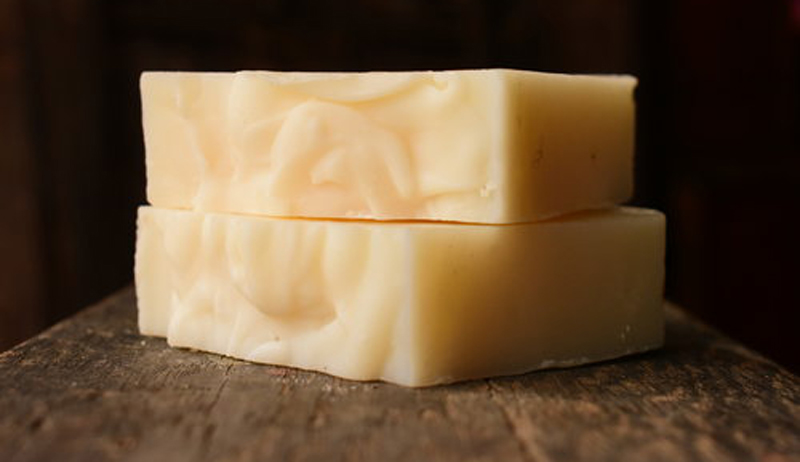
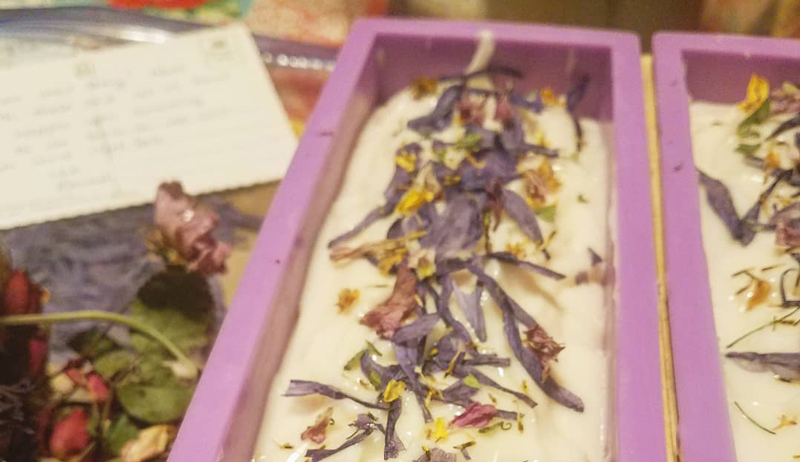
At pudding stage (called “trace”), you can add any scents, exfoliants or colorants if you’re feeling fancy, then pour soap batter into your molds. We prefer these silicone molds from Amazon.

As a quick reference, about 850 grams, or a little less than two pounds of lard, will fill two of these molds, which will make 20 bars of lard. Soap loaves will be ready to cut in one to two days.

Now We Wait

Modern soap blogs suggest that cold process soap needs to sit on the shelf for six to eight weeks to cure.

But we’ve discovered old lard soap recipes that suggest that the majority of the saponification occurs in the first 24 hours. And 10 days are more than enough to cure or harden a bar of lard soap.

We’ve yet to burn ourselves with a bar of 10-day-old lard soap. 


Read more: Got pigs? Here’s a quick look at putting their fat to good use.


Lather

It is important to note that lard soap does not lather like other soaps. That is the one downfall for those used to soaping with other oils. Some folks need bubbles to feel like things have truly been cleaned. It takes some adjustment of expectation.

However, lard soap is a very mild cleanser and our customers’ feedback confirms it is great for kids. It’s also good for those with sensitive skin and eczema. 

Pig cells and human cells are very compatible. Similarities in lipid and collagen makeup in fat and skin make moisture more easily absorbed when we use lard soap. That’s why lard soap never dries out the skin. It’s also the best thing we’ve found, ironically, to scrub piggy smells from the skin.

lard soap loaf
Lyndsey Teter

Does Lard Soap Smell Like a Farm?

Pure lard soap smells clean. Few odors survive the drastic heat and pH changes that occur during the saponification process. This is great for those who do not want their soap bars to smell like pork or bacon.

This is bad, however, when you are trying to add natural scents to a bar of soap. If you want your bars to smell like flowers or lemons or patchouli, plan to buy oils in bulk (Piping Rock and Bulk Apothecary are good resources) and to use the equivalent of several bottles for a batch of soap.

Cheaper fragrance oils are also an option, but we prefer to keep our body products scented naturally—with the fire of a thousand lemons, for example. Bars can also be mildly scented with a handful of coffee grounds or cocoa powder.

Once you start, soap-making can become quite addictive. Luckily, bars of soap are well-received as gifts and you can fit up to 10 in a Christmas stocking. Enjoy experimenting!

Categories
Urban Farming

Squirrel Deterrents for Your Garden

You need Squirrel Deterrents to keep Squirrels out of your garden. Photo by Kevin Fogle (UrbanFarmOnline.com)

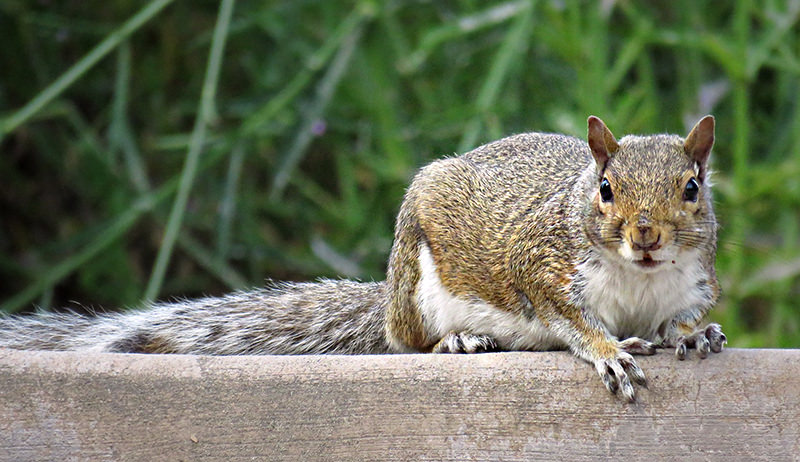
Squirrel deterrents are necessary for your garden. Keeping them out of the garden is something every urban farmer faces. In our house, they’re almost a curse word–I’ve begun referring to them as the “s-word” to keep my blood pressure in check. These furry little devils constantly threaten my front-yard garden and are readily finding new ways to be a general nuisance from stealing fruits and vegetables to digging up containers and damaging my taller plantings with their attempted acrobatics.

Gardeners just as readily devise new ways to deter squirrels: live trapping, getting a family dog, motion-activated sprinkler systems, hot pepper sprays. The only successful solution I’ve found is using flexible plastic mesh as perimeter fencing around my in-ground crops.

Squirrel Deterrents are Cheap Ways to Keep Squirrels Out of Your Garden - Photo by Kevin Fogle (UrbanFarmOnline.com)

The best type of mesh for squirrel deterrents is made of thin-plastic rather than a rigid plastic (only slightly heavier than traditional garden netting) with 1-inch openings. I found mine at a big-box hardware store and bought two 4-by-50-foot rolls. To create my fence, support the mesh by hooking it to a series of simple step-in plastic fence posts placed every 4 to 5 feet. Spade in the bottom of the mesh about 4 inches deep and then recover with earth.


Also Read: Other Ways to Keep Squirrels Away from Your Gardens


For whatever reason, the squirrels in my neighborhood don’t like to climb this type of fencing. These are great squirrel deterrents, and I’ve had relatively few incursions since I installed it. Only two or three squirrels in the last three or four growing seasons have found their way in, usually by digging under the fence rather than climbing. I stopped these bright digging squirrels by filling their excavations and placing a brick above their entrance on the outside of the fence.

So if your garden crops are being molested by squirrels, think about investing in cheap and easy squirrel deterrents. As an added bonus, the mesh is so thin that it is largely invisible and you can train vining plants to use the fence as a long, low trellis. I planted several Armenian cucumbers along the inside of my fence this summer, and the mesh was able to successfully support a whole crop of these monstrous cucumber-like melons.


Also Read: 3-Step Approach To Protecting My Garden From Squirrels


This article about squirrel deterrents was written for Hobby Farms magazine. Click here to subscribe.

Categories
Crops & Gardening

Purslane Can Be Grown In Your Garden

Purslane is often thought of as a weed, but this edible succulent is enjoying the attention of farmers and foodies alike. Unlike lettuce, spinach and other tender greens that readily bolt in pounding heat of summer, purslane thrives. It is also extremely nutritious, high in vitamin A, omega-3 fatty acids, calcium and other minerals. Or perhaps you just want to add another tasty addition to your microgreen production. Purslane can do that, too. This edible succulent is simply too good to overlook when it comes to planning the summer garden. And as you may have noticed when it has volunteered in your paths or around your yard, it practically grows itself.

Selecting Seed

The two types of purslane seed most common in seed catalogs are Gruner Red and Goldberg—though according to Wikipedia, there are over 40 different varieties in cultivation (do with that what you will). If looking for heirlooms or alternatives, you may also find seed under the verdolaga, it’s Spanish name.

Cultivated purslanes generally have larger leaves than wild purslane and grow upright, making harvesting easier. If you want to propagate your own variety, seed can be harvested from wild purslane once the plant has senesced, but the production may be more variable, yields lower and stems shorter. However, what you lack in convenience you may make up for in flavor.

1. Grow Purslane As Microgreens

Microgreens can be a nutritious treat, as well as an excellent market item—especially for chefs. To grow purslane as microgreens, use a perforated seedling tray. Cover the bottom with organic potting mix to at least 1/2-inch deep. Sprinkle seeds evenly but thickly overtop, and cover with a thin layer of soil mix. Place in sunny area at about 75 degrees F, and keep moist until germinated. Once germinated, a slightly cooler temperature between 60 and 70 degrees F, is optimal. Keep the soil moist, irrigate the sprouts from underneath to avoid splashing the plants. Cut the microgreens when the reach 2 to 4 inches.

2. Keep Soil Dry

Although soil fertility for purslane doesn’t have to be particularly high, as a succulent, purslane does enjoy a drier, well-drained soil. It is a fast grower, so it can often outcompete many other weeds, but a good preemptive flame-weeding or stale seed bedding is always recommended before direct seeding it into the ground.

As a member of the same family, purslane will share diseases with other succulents. It is also somewhat susceptible in my own experience to fungi if the season is too wet and planting too dense, as it actually prefers a dry climate.

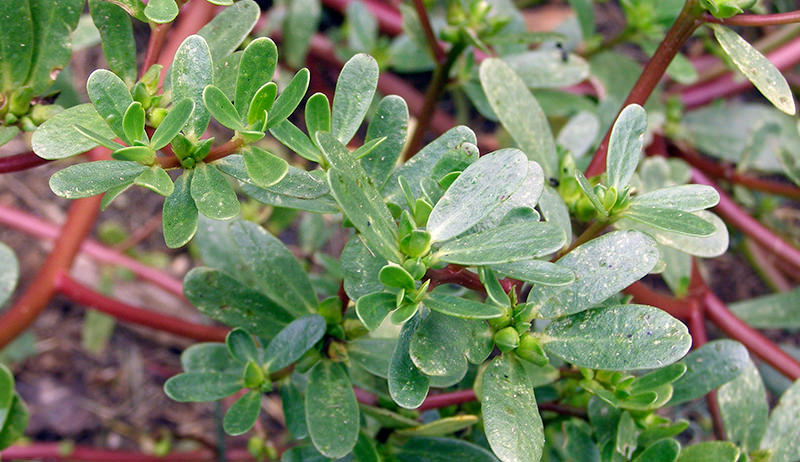
purslane
–Tico–/Flickr

3. Grow Purslane In A Warm Spot

Purslane cannot tolerate cold and prefers germination temperatures of 70 degrees F or more. Wait to place in field until days are long and average temperatures are above 70 during the day and 50 at night, preferably warmer.

Purlsane can be started in seed containers or sown directly into beds. Seeds should be sown every 3/4 inch in rows 8 inches apart. Thin to roughly two or three per foot in row. If transplanting, sow in flats and transplant once first true leaves appear at roughly 8 inches apart.

4. Harvest Purslane In The Morning For Tartness

When harvesting purslane, take into consideration the malic acid content of the plant, which is higher in the morning than at night thus making it more tart. Some will prefer this while others may find they enjoy purslane harvested in the evening, when the flavor is milder.

5. Cool Immediately After Picking

Purslane is a delicate crop and should be cooled immediately after harvest. Warm temperatures after harvest will bring out the mucilaginous texture of the crop. Gardeners can either pick off stems continuously over several weeks or cut the whole plant. It will regrow if 2 inches or more of the plant is left on the stem, though it should get no more than three weeks of harvest if the flavor begins to decline and the plant shows signs of bolting. Store purslane in the crisper drawer of your refrigerator, and use within a week.

6. Seek Out Chefs

If looking to grow a lot of purslane, contact chefs beforehand. It will sell a bit at market, but it is a specialty crop and may need some other outlets to move it. Ask chefs at what size they would prefer it and how many pounds. And since it is a rarer green, consider selling at herb prices.

This article about growing purslane was written for Hobby Farms magazine. Click here to subscribe.