Categories
Crops & Gardening

Growing Asparagus: 9 Soil Tips for a Healthy Crop

Growing asparagus takes a few years for the payoff and making sure you start with the right soil will help ensure a successful crop from this long-lived perennial delicacy.

How Does Asparagus Grow?

Asparagus facts are numerous since this is a fairly unique vegetable. In a healthy mature patch, you harvest first and grow later. The edible portion of asparagus is the spear, which pushes up through the soil from a deep, energy-storing root system. This spear wants to become a tall, billowy frond that captures sunlight to send back down to the root system, but you’ll pick spears young before they have a chance to toughen and unfurl.

What Kind of Soil Does Asparagus Like?

To cultivate a healthy crop, pay particular attention to the soil in your asparagus bed. Asparagus, including white asparagus, is deep-rooted and prefers sandy, well-drained soil—areas that stay wet will rot the roots and invite disease. Here are nine tips for prepping and maintaining the dirt your asparagus calls home.

1. Load Up on Phosphorus

Asparagus loves phosphorus. Composted manure, bone meal and rock phosphate are all good amendments to keep soil levels high in this nutrient.

2. Hold the Salt

While asparagus is salt-tolerant and grows well as a perennial in seaside gardens, the occasionally recommended advice to add salt to an asparagus bed isn’t wise and can seriously damage soil quality.

3. Don’t Rotate Beds

When happy, asparagus settles in for the long haul. It can live and produce for two decades or more, but it loathes having its roots disturbed for any reason, especially moving. Pick a location where your asparagus can literally put down roots, and avoid digging or deeply cultivating the soil around your asparagus patch.

4. Keep It Weed-Free

Because asparagus is so long-lived, it’s especially important to rid your planting area of any pernicious perennial weeds. Invasive creepers, such as Bermuda grass, bindweed, quack grass and buttercup, are difficult to eradicate, but they’ll out-compete your asparagus stand and must be removed from the soil before planting. Monitor the asparagus patch seasonally to keep weeds at bay.

5. Top-Dress Every Spring

Keep your asparagus patch performing well by top-dressing every spring with 2 to 3 inches of composted manure, followed by a 2-inch layer of loose resistant cultivars. Shredded arborist’s woodchips, straw and finished compost are all good choices. This top-dressing will provide the soil with nitrogen and phosphorus, as well as keep it weed-free and in good tilth.

6. Fertilize Twice A Year

Asparagus is a relatively heavy feeder. While the spring top-dressing will feed and add organic matter to the asparagus patch, you’ll get even better results if you feed lightly in early spring and again in mid-summer with a high-phosphorus organic fertilizer, like fish meal, which has a typical N-P-K value of 8-12-2.

7. Minimize Disease and Pest Risk

A patch of asparagus grown in well-drained soil is rarely bothered by disease, but fusarium wilt, purple spot, needle blight and asparagus rust can all infect your crop. If these diseases are known to be an issue in your growing region, planting resistant cultivars is essential. Your local extension program will know what issues tend to crop up in your area.

For asparagus growers everywhere, siting asparagus in an area with good airflow and practicing good sanitation is important to discourage pathogen and disease build-up in the soil. At the end of the growing year, cut down and hot compost or burn the fronds and clean up debris.

Asparagus’ most common pest is the asparagus beetle, which will often overwinter in the soil. Good sanitation and allowing hens access to forage for the beetle can help reduce the buildup of these pests.

8. Companion Plant and Cover Crop

Asparagus enjoys being planted alongside other perennials, like rhubarb and fruiting shrubs, but avoid planting companions too close to minimize competition. The fronds of mature asparagus can reach 5 feet or taller, making this plant a great option for the middle layer of a stacked perennial bed.

To build soil fertility naturally, an established asparagus patch can be under-seeded with a low-growing, nitrogen-fixer cover crop, like crimson clover, and interplanted with phosphorus bio-accumulators, like yarrow. In some areas, both crimson clover and yarrow can be invasive, so select the right soil-improving bio-accumulators for your region.

9. Start Out Right

When growing asparagus, it can be started from seeds or crowns—the crowns offer beginners a one- to two-year headstart on a harvest and often an ideal choice for beginning asparagus growers. However, if you want to start your asparagus from seed, sow it directly into well-drained, loose, fertile soil in a well-weeded, prepared bed after the soil has warmed enough to initiate germination—typically in April or May. Soak seeds in cool water or dilute compost tea for 1 hour before sowing, then space 8 to 12 inches apart. Cover seeds with 1 to 2 inches of loose, sandy soil and thin to an eventual spacing of 12 to 16 inches between plants. Keep soil moist until germination.

Alternatively, start growing asparagus indoors in late winter. Soak seeds in cool water or dilute compost tea for an hour, then sow seeds 1 inch deep in 4-inch pots filled with an organic potting mix that includes an organic, slow-release, balanced fertilizer (3-3-3 or 5-5-5). Keep the soil warm, and as soon as seeds germinate, set pots under full-spectrum grow lights or in a bright, sunny window or greenhouse, depending on outdoor temperatures. Transplant to the garden in mid to late spring when the soil has warmed.

If you opt to plant crowns, keep in mind asparagus suffers some when transplanted. Plant crowns as soon after purchase as possible, in a prepared bed of well-drained, sandy soil. Dig a shallow, 6-inch-deep trench 12 to 18 inches wide and soak crowns for 15 minutes in cool water or diluted compost tea. Place the crowns 12 to 18 inches apart along the trench, spreading the roots out gently. Top with 2 to 3 inches of loose soil. When the shoots begin to appear (in several weeks to a month or more, depending on soil temperature), hill up around the growing crowns with another inch of soil. As the shoot grows, continue adding loose, sandy soil to the trench until it is filled.

Given the right early attention, growing asparagus is an investment that can really pay off. The first few years will require the right soil prep and a little babying to make sure the crop is growing well, but after it’s established it’s a low-work culinary prize for the gourmet gardener.

This article about the best soil for growing asparagus was written for Hobby Farms magazine. Click here to subscribe.
Categories
Crops & Gardening

Planting Potatoes: 5 Tips For the Best Harvest

Planting potatoes is some of the most fun you can have when growing vegetables. They grow lush and quickly, and digging them out of the soil at harvest time is like searching for buried treasure. If potatoes are on your must-grow list this year, here are tips for getting the best harvest possible.

1. Sprout Your Potatoes First

If you allow a sprout to form on your potatoes prior to putting them in the ground, this will give you a jump start on the growing season (much like starting your seeds indoors). The sprouts will come out of the eyes of the potato, and let them grow about 1/2 to 1 inch before you plant.

2. Quarter Seed Potatoes For A Larger Harvest

It’s not necessary to plant the seed potato in its entirety into the ground when growing potatoes. Instead, you can section it into several pieces, in essence multiplying the number of seed potatoes you have on hand. Make sure each potato section has one to two sprouts (or eyes) and don’t cut them down to much smaller than a chicken’s egg.

3. Hill Your Potatoes

Hilling your potatoes as they grow helps prevent potatoes growing near the soil’s surface from turning green, which will happen if they’re exposed to light. Green potatoes are toxic to eat and, thus aren’t usable.

4. Load Up On Bone Meal

A high-phosphorus fertilizer is good for root crops because it will encourage root and flower production. Bone meal is a great natural fertilizer option to use on your potato beds. When you plant your potatoes, add a little granular bone meal overtop of the soil covering the potato seed, so that when it rains, the fertilizer is dispersed into the soil, providing lasting nutrition to your crop.

5. Add Some Epsom Salt

Also, add some Epsom salt to the soil when growing potatoes to help provide a boost of magnesium that will help build the cell walls of the potato.

With these simple tips, you’ll be well on your way to growing a healthy potato crop that you can put in your root cellar and eat off of for several months of the year.

This post about planting potatoes was written for Hobby Farms magazine. Click here to subscribe.

Categories
Poultry

Chicken Brooder: 7 Cheap Ways to Keep Chicks Amused

In the chicken brooder, growing chicks quickly begin bouncing around the brooder, exploring their confines with limitless curiosity. Despite their innocence, that natural curiosity can turn nasty. Keeping your little ones amused and interested doesn’t have to be difficult or expensive. Here are seven ways to entertain them without breaking the bank.

1. Make Sure They Have Enough Room

One of the first reasons chickens of any age will start picking on each other is because they don’t have enough space. Chickens are active poultry and natural foragers, so sitting in tight quarters isn’t enjoyable for them. In the first few weeks after hatching, chicks barely need any extra space, but within a few days, they’ll need 6 inches to a foot per bird. Ideally, a chicken brooder that can expand in size as the chicks grow will satisfy their need for warmth and activity. You can accomplish this by building a larger brooder, blocking off a small area at first, and opening up the space as they get bigger.


Also Read: How to Build Your Own Chick Brooder


2. Provide Roosts and Swings

In the wild, chickens sleep in treetops to avoid being attacked by predators, and this inclination to hop and fly persists in domestic poultry today. Roosts and swings are a great way to inspire your chicks’ natural instinct and their need for exercise. While chicks will continue to sleep under their heat lamp, during the days, they’ll love jumping on and off roosts and enjoying the world from a higher perspective. Roosts can be built with simple twigs and sticks from your yard, balanced in your brooder or hung from above as a swing.

3. Provide Grass, Herbs and Weeds

Your own backyard can hold plenty of entertainment for baby chicks. Dig up a small clump of grass, place it in your brooder intact, and watch your chicks explore its wonders. They’ll be learning valuable lessons in how to scratch up dirt and forage for food. They may even be lucky enough to discover a worm in the weeds. A clump of weeds also provides chicks with some grit in their diet, essential to helping break down the foods they eat.

Clippings from your herb garden are another healthy option. Basil, dill, cilantro, garlic and other herbs have wonderful health benefits for chickens, boosting their immune systems and general health.


Also Read: Brooder Tips For Baby Chicks


4. Supply Sand for Dustbathing

Every chicken loves a dust bath. This activity keeps chickens healthy, ridding them of mites and lice. Chicks will naturally want to dust bathe and will appreciate the chance to do so. A dust bath is easy to make: All you need is sand and regular garden soil. Fireplace ashes or diatomaceous earth can be mixed in for a healthier bath.


Also Read: 5 Steps for Healthier Garden Soil


5. Supply Worms and Special Treats

One of the benefits of a clump of weeds or some garden dirt is the possibility of a chick finding a worm or crawly creature. When this happens, excitement abounds. The winning chick races throughout the brooder trying to keep their prize safe from the others.

To bring this excitement to your chicken brooder and add some good proteins to your chicks’ diets, dig up a few worms for them. Regularly supplying them with treats will delight them and will help to form a bond between you and your chicks, as they will recognize you and associate you with treats.

6. Mirror, Mirror

Chickens love their own reflections. You may be surprised to hear it, but they can’t get enough of themselves in a mirror. They will crane their necks and prance in front of the reflection trying to impress or intimidate the fellow inside. Adding a mirror to your chicken brooder is inexpensive and well worth the investment.

7. Play With Them

The best way to keep your chicks amused in their chicken brooder is to spend time with them. Just sitting and watching them will provide you and them with entertainment. This kind of attention gives you the chance to notice if anything is “off” in the brooder. With close supervision, even young chicks can be let out on a warm day or brought out of the brooder to hop around your floor. The more handling they get as chicks, the more they’ll enjoy being held as adult birds.

Keeping chicks amused in a chicken brooder is easy and rewarding. Keep your birds entertained, and they’ll soon be feathering out and ready for the grown-up world in the chicken coop.

This article about keeping chicks amused in their chicken brooder was written for Chickens magazine. Click here to subscribe.
Categories
Poultry

Chicken Layer Feed & Broiler Feed: Know the Difference

Chicken layer feed and broiler feed are two different things. For optimal health, laying hens and broiler meat birds require diets with the correct proportions and ratios of vitamins, minerals and other nutrients. A properly balanced diet will ensure your birds have enough feed to maintain their body functions in addition to meeting their production needs. Different feeds are used as vehicles for various nutrients, and those feeds are formulated based on ingredients available in the area and how they can be combined to create the proper ratios of nutrients needed in the diet.

Chicken Layer Feed Diet

Understandably, laying hens need feed specifically formulated for egg production, and it should contain a minimum of 16 percent protein. (For birds going through a molt, an even higher percentage of protein is recommended.) Additionally, laying hens have very specific needs for vitamins, minerals and amino acids. The nutrients you feed will be the nutrients seen in the egg.

Calcium makes up the majority of the eggshell so a layer feed is designed to have a much higher calcium content. Calcium can be supplemented, but if a proper layer feed is available free-choice, it may not be necessary. If you like the hardness of the shells from your hens, don’t worry about a supplement. If your hens are having major laying problems, including soft shells, provide a calcium supplement, such as oyster shells.

Scraps and treats should make up a small part of a chicken’s diet. Hens enjoy grazing plants and bugs, but they should still have unlimited access to a balanced layer feed. Changes in yolk color are not an indication of how healthy an egg is; they’re simply an indication of what the hen has been eating. If you would like your eggs to be higher in certain nutrients, such as omega-3s, feed your hens a diet with higher omega-3s. Chickens will not get omega-3s in their eggs just because you let them graze your weed patch. Again, the nutrients in your chicken layer feed will be the nutrients found in their eggs.

Broiler Feed

Chicks that are being used for meat production will need to be transferred to a grower/finisher feed that clocks in around 18 percent protein at about 6 to 8 weeks of age, depending on the breed. They’ll need to remain on that broiler feed diet until they are processed. Meat chickens grow quickly. Depending on the breed, some can be finished in as little as six weeks, meaning that you’ll need to maximize the nutrients they receive to make the most of that brief finishing time.

What you feed meat chickens will affect the way they taste. Giving meat birds space to graze is fine, provided they have unlimited access to a complete grower/finisher feed. Grazing can also slow down their growth; it may take longer to finish chickens raised on pasture.

Overall, the most important takeaway for feeding any type of chicken is to feed a balanced diet, which provides enough energy for body maintenance in addition to egg and/or meat production. Additionally, proper nutrition will eliminate many egg abnormalities and help your chickens stay healthier overall! Who doesn’t want happy, healthy birds?

This article about chicken layer feed vs. broiler feed originally appeared in Hobby Farms magazine. Click here to subscribe.

Categories
Poultry

How to Freeze Eggs to Use Later: Whole, White or Yolk

Knowing how to freeze eggs is a great way to store extra eggs so they don’t go to waste. Eggs can be stored for as long as one year when properly frozen. After they’re thawed, frying or poaching them is out of the question. Just the same, your frozen eggs can be used for cooking and baking—and you’ll be glad you stored surplus eggs just in case.

How to Freeze Eggs: What Equipment You Need

You’ll need several standard ice-cube trays. Use plastic or silicone ice-cube trays for better-defined cube formation. Be sure to have either sturdy freezer storage bags or locking containers in which to store your egg cubes.

How to Freeze Eggs: Whites

Carefully separate your egg whites from your yolks, making sure that no yolk gets into your whites. This is vital, as yolks freeze differently from whites and the presence of any yolk in your whites will affect how well you can use your thawed whites. Use one egg white per ice-cube tray pocket. Freeze the whites thoroughly, then transfer the formed cubes to a storage bag or container. Label your storage bag or container with the date the egg whites were frozen.

When you’re ready to use your frozen egg whites, thaw them slowly either in the refrigerator overnight or under running lukewarm water. Thawed egg whites must be used immediately. If you plan to beat the thawed whites, let them come to room temperature first. Use two tablespoons of thawed egg whites where recipes call for one fresh egg white.

How to Freeze Egg Yolks

Unlike egg whites, which retain their liquid nature, egg yolks thicken when frozen, becoming so gelatinous that they are unusable unless treated before freezing. Place your separated egg yolks in a mixing bowl and beat them until smooth. If you plan to use your egg yolks for savory dishes, add 1/4 teaspoon salt per eight yolks and beat to combine. If your egg yolks are destined for desserts, mix in one tablespoon of granulated sugar per eight yolks. Pour your treated yolks into your ice-cube trays and freeze. Once thoroughly frozen, place your yolk cubes into your storage bag or container and label this with the date and whether they yolks are sweet or savory.

Thaw frozen yolks the same way you thaw frozen whites: in the refrigerator overnight or under running lukewarm water. Like egg whites, thawed egg yolks must be used immediately. Use one tablespoon thawed egg yolk where recipes call for one fresh egg yolk.

How to Freeze Whole Eggs

To freeze whole eggs, crack your surplus eggs into a mixing bowl and whisk until fully blended. Pour the beaten eggs into your ice-cube trays and freeze. Once fully frozen, transfer your egg cubes into your storage bag or container and label this with the date. When ready to use, thaw the eggs in the refrigerator overnight or under running lukewarm water. Use three tablespoons of thawed beaten egg where recipes call for one whole egg.

This article about how to freeze eggs was written for Chickens magazine. Click here to subscribe.

Categories
Animals

Miniature Cattle: 5 Breeds For Small Farms

Miniature cattle breeds are sized right for small farms. The International Miniature Cattle Breeder’s Society and Registry and Registry maintains herd books for 26 breeds, and the Animal Research Foundation registers minis of every breed.

What are Miniature Cattle?

Are today’s miniatures mirror images of our ancestors’ small utility cows? Yes … and no. Miniatures with standard-size counterparts such as Jerseys, Lowline Angus and Herefords usually are. But other mini breeds (such as Miniature Highlands, Longhorns and some of the International Miniature Cattle Breeders Society and Registry breeds) are modern creations developed by crossing small standard-size cattle with established small breeds (usually Dexters).

And the Dexter stands alone. Because of its elfin stature, most folks consider the Dexter a miniature. However, they’re a diminutive ancient breed rather than a scaled-down modern one.

How tall is a mini cow? That depends.

There are three different categories of miniature cattle. Measurements are at 3 years of age, which is considered maturity. The common measuring point is from the ground to the top of the base of the tailbone.

1. Micro: 36 inches or under

2. Miniature: 36 1⁄4 to 42 inches

3. Mid-size: 42 1⁄4 to 48 inches

For comparison, full-size or “standard” cattle breeds stand well over 48 inches.

International Miniature Zebu Association cattle, however, are measured behind their Brahma-type humps and mustn’t exceed 42 inches at 3 years of age. The American Hereford Association stipulates that Miniature Herefords must tape 43 inches or smaller; “classic miniatures” can be up to 48 inches tall. Lowlines (Miniature Angus) may be 42 inches high, as can Dexter cows; Dexter bulls can be two inches taller.

person in field with miniature cattle
Hatchet Cove Farm/Flickr

5 Popular Miniature Cattle Breeds

A handful of minis are more popular than the rest. You can consider them the big five of the miniature cattle world — Dexters, Lowlines, Miniature Herefords, Zebus and Jerseys.

You can register all five with both organizations, but each also supports a herd book of its own. Let’s take a closer look at these popular miniature bovine breeds.

1. Dexter

Dexters are tri-purpose cattle (beef, milk and draft). Today’s Dexter cattle descend from a herd of hardy Irish mountain cattle assembled by Mr. Dexter, agent to Lord Hawarden, around 1750. Dexter roots trace to the tiny Celtic cattle of ancient Eire. By 1845, when author David Low described and referred to them by name, they already resembled today’s Dexter cattle.

Irish fanciers established a Dexter registry in 1887 and an American version followed in 1911. Yet North American Dexters were ever scarce; today they’re included on the American Livestock Breed Conservancy’s Conservation Priority List, classified as rare. (If you’d like to help preserve an endangered heritage livestock breed, consider raising Dexters. They need your helping hand.)

Dexters are strikingly small cattle. Most Dexters are colored in shades of deepest ebony to sun-tinged, reddish-black. Reds and duns are far less common and grade from palest red to darkest mahogany; reds have pink noses, while duns have brown noses. Black-tipped white horns usually accent their small, neat heads, although a line of polled (hornless) Dexters now exists. There are two types: a longer-legged version (Kerry type) and a Dexter with shorter legs.

Dexters are dual-purpose cattle. Thanks to the breed’s foraging ability, and its high feed conversion and meat-to-bone ratios, a grass-fed Dexter steer will finish in 18 to 24 months, dressing out at 50 to 60 percent live weight. Dexter beef is fine-textured, tender and delicious. And Dexter cows give 1.5 to 3 gallons of roughly 4 percent butterfat milk daily, at a rate of up to one quart of cream per gallon.

Dexters are famous for their strong maternal instinct, easy calving, sweet dispositions and longevity. They do, however, occasionally throw dwarf “bulldog” calves.

2. Lowline

Lowlines are Miniature Angus cattle developed by the Trangie Agricultural Research Centre in Australia. No “outside” blood was used in its creation—they are purebred Angus bred 30 to 60 percent smaller than their standard (Highline) kin.

Angus beef is treasured for its tenderness and quality, and pound-for-pound Lowlines produce a lot of it. Enthusiasts claim Lowlines require one-third as much feed to produce 70 percent of the rib-eye of animals twice their size, making Lowlines a logical choice for organic and gourmet market beef producers.

Sleek Black Angus are traditionally more docile than other beef breeds. They’re naturally polled and prolific and are attentive mothers. Lowlines are a red-hot commodity as pets and for purebred programs, and for crossing with standard-size cattle to improve meat quality. When crossed with Jerseys they produce the ideal dual-purpose family cow.

3. Miniature Hereford

Mini Herefords are another scaled-down purebred breed. Miniatures are registered in the American Hereford Association herd book; their pedigrees are traceable back more than 100 years.

Miniature Herefords were further developed during the 1970s at the Point of Rocks Ranch in Fort Davis, Texas. By utilizing certified dwarf-free, old-fashioned Hereford genetics, owners developed a deeper-bodied, shorter-legged version of today’s market Hereford.

Miniature Herefords are said to mature 20 percent faster than standards. They’re gentle, they adapt to all climates, they’re highly efficient foragers, and veterinarians familiar with beef breeds know how to treat them. Miniature Herefords are a first-rate, easy-care choice for gourmet and organic beef producers.

4. Zebu

Zebu” is another name for Bos indicus—all breeds of Asian humped cattle. Most folks recognize the brawny Brahman, a full-size Zebu developed in North America. The mini size resembles Brahmans with two notable twists:

1. Mini Zebus’ upright ears don’t match the Brahman’s trademark floppy ones.

2. Mini Zebu cows have a lot less hump.

Both breeds, however, sport short, sleek coats and have tough, loose skin. They also have fully functional sweat glands.

zebu miniature cattle with baby in field
Cindi Darling/Flickr

Highly developed panniculus muscles make it easy for Zebus to twitch away flies. They’re heat-, disease- and insect-resistant, and they thrive on marginal pasture. And rodeo-bull image notwithstanding, they are easy-going and remarkably intelligent.

Descended from South Indian Nadudana cattle, Miniature Zebus were imported for zoo display in the 1920s. Today the International Miniature Zebu Association (formed in 1991) lists breeders in 38 states, Canada and Puerto Rico. They are among the teeniest of miniature cattle, sometimes standing less than 30 inches measured behind the hump.

5. Jersey

Jerseys were barely more than today’s miniature size until recently, historically speaking.

The “bigger is better” boom ultimately impacted this ancient dairy breed. But enough bantam Jerseys remained to make selectively breeding them back to miniature frame a relatively easy task.

For today’s smaller households seeking a pocket-size family cow, Miniature Jerseys make good sense. They are gentle, prolific and a delight for the eyes. And their delicious, high-butterfat milk is hard to beat.

While Miniature Jersey steers don’t produce a freezer full of meat, what they do yield is mighty fine eating indeed. Therefore, Jerseys have been and are still being used to create new miniature beef and dairy breeds. Belfairs are Jersey and Dexter derivatives, as are IMCBSR trademarked Belmonts (both are sometimes called Irish Jerseys). Wherever they’re used, wee Jerseys sweeten the mix.

Other Popular Miniature Cattle Breeds

Although there are now 30 or more recognized breeds of miniature cattle in the United States, also among the most popular are the following…

  • American Beltie (similar to Belted Galloway; also referred to as a “Cookie”)
  • Black Baldie (mini Hereford-American Aberdeen Angus cross)
  • Miniature Scottish Highland
  • Panda
  • White Park (aka British Park)
two miniature cattle standing in snow
Mini Cows

How to Get Started with Miniature Cattle

Miniature cattle are generally in short supply. They’re available—but expect to conduct a search before you buy.

Registries happily supply breeder lists; and e-mail groups are excellent places to scout for leads. Expect prices to vary widely depending on breed and bloodlines, quality, age and sex, and in which part of the country you do your shopping.

A few progressive miniature cattle raisers market full-blood embryos. The implant success rate runs 50 to 60 percent, but it’s a start for those with access to a good reproductive vet and a sense of adventure.

Sometimes you can start with the cattle you have and breed toward purebred miniatures.

While mechanics vary from registry to registry, the basics are much the same. For example: You own a full-size Jersey cow. Breed her to your choice of miniature bulls. Her calf will be recorded (not registered) as a half-blood miniature. If the calf is a heifer that eventually gets bred to another miniature of the same breed, her calf will be recorded as three-quarters miniature. And on and on until your calf is 15¼-16 target breed, at which time it’s considered purebred.

However, not all organizations allow “up-breeding” (the Lowline and Hereford registries do not) and most don’t record upgrade-produced purebreds in the same herd book as bona fide full-bloods.

When to Buy Mini Cows

Some breeders sell mini cows as very young calves. Other breeders only sell weaned calves, believing babies get a better start in life being nursed by their dams (mothers) those first months.

There’s no doubt young calves are adorable. Just realize that their care will be more intensive than if you buy an older, already-weaned calf. These “bottle babies” must be fed milk replacer twice a day until the calf is at least 2 1/2 to 3 months old.

Young babies may also be more vulnerable to illness, although reputable breeders only sell healthy calves.

Mini Cow Bloodlines  

Reputable breeders are careful to use bloodlines that avoid negative influences the dwarfism gene can cause.

“Chondrodysplasia (‘chondro’) is a dwarfism gene that can be found in certain breeds of cattle,” says Ben Yoder, whose Cyrus Ridge Farm raises micro and miniature Scottish Highland Cattle. 

“Some of the world’s leading experts in the production of miniature cattle have successfully used this gene, in combination with genetically small cows, to produce some of the smallest micro cows in existence,” he says. “Breeders need to do extensive research and education before properly introducing this gene to their herd. Irresponsible use of the gene can cause health issues.” 

Feeding Mini Cows

There’s no such thing as “miniature cattle” food. These small cows eat the same hay and feed as full-size cattle, just less of it—typically 1⁄3 as much. Mini cows eat approximately 2 percent of their body weight in grass hay per day.

Depending on the breed, mature cattle may not need any grain in addition to hay.

Calves, however, should be fed a 16 to 20 percent protein “starter feed” from weaning until about 6 to 8 months of age. This helps ensure they receive adequate nutrition for proper growth. If you’re raising an animal for slaughter, you may opt to feed grain during the “finishing” phase. 

miniature cow standing by a feed bucket
ellenm1/Flickr

Fencing & Shelter

Before bringing cattle home, ask what type of fencing they’ve been in. For example, some may be accustomed to single-strand, electric-rope fencing and respect that. 

For safety’s sake, you can’t go wrong with 48- to 60-inch-tall woven-wire or field fence for perimeter fencing. Then use single-strand electric fencing to portion off interior sections so you can do rotational grazing and keep your pastures in good condition. You’ll want at least one small corral with sturdy wood or pipe fencing where you can gather cattle when needed, such as for veterinary work.

All livestock need some form of shelter so they can get out of direct sun, wind, rain and snow. Depending on your location and the breed of cattle you buy, trees and a wooded area may be enough shelter. Or you may need a run-in shed.

For example, if you live in the northeast and plan to have Zebus, they’ll definitely need a good shelter for protection from extreme weather. Whereas Scottish Highlands are extremely hardy and rarely choose to use a manmade shelter unless they can’t find other shade.

Do Miniature Cattle Make Good Pets?

Mini cattle fans unanimously agree: These little bovines make marvelous pets. “I started with a trio of Miniature Jerseys,” says K.C. Cowen of Emmett, Idaho, “but I have disabilities and couldn’t milk more than one. So now I have just Margie. She’s the light of my life and the sweetest cow I’ve ever owned. Margie is like a big dog, except she gives the best milk.”

“My most recent purchase was a 5-year-old Lowline bull from Centenary Ranch in Mission, Texas,” adds Linda McKay. “Although I’m his third owner, he’s quiet-natured and friendly.” She chuckles, “Our Lowlines ‘helped’ us with our pen construction by carrying tools. They’re so intelligent and a delight to have around.”

Petting zoo proprietors and animal therapy workers adore miniature cattle; 4-Hers tend to love them too. Their modest stature, winsome looks and engaging personalities render them less intimidating than their full-size cousins, and they are far less bulky to load and pack around.

Small Cows Offer Tasty Meat

Minis do equate with fine beef. Gourmet markets and upscale restaurants clamor for lean and luscious, grass-fed mini steaks and roasts.

Demand for organic edibles increases 20 percent per year claims the Organic Products Association. The good news for organic beef growers: Miniatures convert pricey organic feed into choice cuts more efficiently than standard cattle do.

Texas A&M confirms a 20 to 25 percent higher feed conversion rate for miniature cows. And a single miniature steer neatly packs the average home freezer, so there’s no need to find someone to buy the other half of beef, making the meat popular with home consumers.

And dairy breed and dual-purpose minis give plenty of sumptuous, high-protein milk—enough for today’s smaller household and then some. Mini Jerseys, Belfairs and Dexters all serve well as gentle family milk cows, exactly like their ancestors did not so very long ago.

5 Few Small-Cow Benefits

1. If you want to have a cow, you’ll need less pasture and far less space to house a mini version.

2. If you must pen her and feed cut-and-carry forage, it’s doable.

3. Her wee hooves and bantam-weight equate with far less pasture damage and she’s designed to eat grass, not concentrates.

4. She’ll neatly thrive on one-third the feed of her full-size kin and use it to produce much less waste for you to cart away.

5. Come autumn, you’ll haul less hay. And you’ll tote fewer buckets of water to quench her thirst during the deep, hard winter freeze.

However, minis are like potato chips, you won’t settle for just one. And for the small-scale farmer hoping to qualify land for ag-tax breaks or to turn a profit, this is a very good thing indeed.

Beth Diaz of Seffner, Fla., concurs. “We live outside of Tampa Bay in a small agricultural area,” she says. “We wanted to take advantage of tax cuts and also have cattle to help keep our pastures clean. Essentially, we wanted to become gentleman farmers. We weren’t looking for meat sales, so we decided to stick to one breed and raise babies to sell for 4-H or to others interested in our breed. One day my search led me to a Miniature Zebu website and I was hooked.”

Can You Keep Miniature Cattle & Horses Together?

For the safety of your mini cattle, don’t assume they can be pastured with full-size horses.

“When mixing bovine and equine families, there will be a hierarchy system, and they’ll fight for dominance,” Yoder says. “There’s a large size difference when a horse and mini cow fight. This can lead to injury or turn deadly.

“Cows butt and kick. Horses bite and kick. I’ve seen a horse grab a mini cow by the neck and kill it.”

Keep in mind that even though miniature cattle are smaller than full-size, they’re still livestock and more powerful than a human. “There needs to be a healthy respect between cow and human,” Yoder says. “If this is missing on either side, someone can get hurt. 

Cute and productive, miniature cattle will mow your lawn, pull a cart, or simply pretty up your pastures. Let your kids show them in 4-H. Drink their milk, pack your freezer with miniature steaks. They’ll earn you tax breaks and turn a profit sold as breeding stock, pets or beef. What more could you ask for?

This story about miniature cattle by Sue Weaver and Cynthia McFarland was written for Hobby Farms magazine. Click here to subscribe.

Categories
Poultry

6 Ways to Extend the Shelf Life of Eggs

The shelf life of eggs is not something we worry about a lot when eggs are plentiful. But what do you do in the fall and winter when your girls’ egg production declines? What happens if there is a shortage of supermarket eggs? To extend the shelf life of eggs, there are several safe and easy ways to preserve fresh eggs in the shell as well as out.

Before you start, though, understand that clean eggs are important no matter which method you choose, but especially so when preserving eggs in their shells. Eggshells are porous. An oxygen exchange goes on from the time an egg is laid until it’s used or goes bad. Preserving in the shell is designed to halt that exchange, so it’s important not to remove the shell’s protective bloom. Choose clean eggs and gently wipe them—but don’t wash them—discard cracked or misshapen ones, and process them within a day or two of laying.

Also, don’t take chances when you extend the shelf life of eggs. If you’re in doubt, discard finished eggs; don’t eat them. Avoid instructions from vintage cookbooks written in times when eggs were held in springhouses and cold cellars under conditions we now know are just not safe. Break each egg into a cup or bowl before use.

Here are six ways to extend the shelf life of eggs…

1. Water Glassing Eggs

water glass preserving

Water glass (sodium silicate) is a compound that forms a syrupy gel when mixed with water. Mixed at the rate of 11 parts of cooled, boiled water to one part water glass, it has been used to preserve eggs since the mid-1800s.

According to tests conducted by the University of Arkansas in 1918 comparing egg preservation using nine products and processes, water glassing beat the others far and away. Researchers concluded that after six months in storage, the water-glassed eggs’ whites weren’t quite as thick as those in newly laid eggs but were otherwise “practically equal to fresh.” Note: Prick a small hole in one end of water-glassed eggs before boiling them.

Home-brewing companies and survivalist suppliers carry water glass labeled as sodium silicate, or you can buy it on Amazon or eBay. Prepare the mixture and let it cool, then pour it into a sterilized earthenware crock or a modern equivalent. Place the eggs in the water glass gel, pointed side down, leaving 2 to 3 inches of liquid above the final layer. Cover it tightly and store it in a cool area where it won’t freeze. Water-glassed eggs stay fresh as long as a year, and water glass imparts no odd flavors.

2. Isinglass

isinglass preserving
Shutterstock

Isinglass is a type of collagen extracted from the dried swim bladders of fish. It’s available from the same outlets that sell water glass. Prepare it according to directions on the label as concentrations vary from product to product. Follow the directions for preserving and using water-glassed eggs, allowing the isinglass solution to set to a loose, gelatinlike consistency before capping or sealing. Some say eggs preserved in isinglass taste a bit chalky, but they stay good for six months to a year and work well in recipes calling for eggs.

The Incredible Century Egg

century egg preserve eggs extend shelf life
Shutterstock

One of the oddest delicacies on Earth might be the thousand-year egg. Also known as a pídàn, millennium egg, century egg or 100-year egg, this toothsome Asian treat is a chicken, duck or quail egg traditionally preserved in a mixture of clay, ash, salt, quicklime and rice hulls for several months (but definitely not 1,000 years).

A fully cured thousand-year egg has a creamy, stinky, gray to dark green yolk with a salty-tasting, gelatinous, dark brown white. Is it popular in Asia? You bet. In fact, to feed the supply, modern purveyors of thousand-year eggs soak raw eggs in table salt, calcium hydroxide and sodium carbonate solution for 10 days, then age them wrapped in plastic for several weeks to crank them out in record time.

Thousand-year eggs have been a favorite delicacy for centuries, peeled, rinsed and eaten as is or used in a variety of dishes, including an array of tofu-based meals. Another dish is called old-and-new eggs, comprising a fresh egg omelet topped with chopped thousand-year eggs.

How stinky is a thousand-year egg? Its Thai name is khai yiao ma, meaning “horse pee egg.” Because of its pungent odor, it was once believed to be crafted by soaking eggs in horse urine.

3. Liming Eggs

pickling lime preserving

By lime, I mean pickling lime or food-grade calcium hydroxide, not slaked lime or quicklime. Used for pickling cucumbers, it’s available in the canning section of supermarkets.

To use it, combine 1 pound of pickling lime with a gallon of boiling water and stir to make a thin paste. Let it cool and then pour it into your crock or crock substitute. You might have to double or triple the recipe if your crock is big.

Use a pin to prick a tiny hole in each egg and then place it in the pickling solution, pointed side down. Add eggs, making sure all are covered with pickling solution. Cover and place in a cool location. Like the others, limed eggs stay good for as long as a year. They tend to have a slightly limy flavor.

4. Mineral Oil

mineral oil preserving

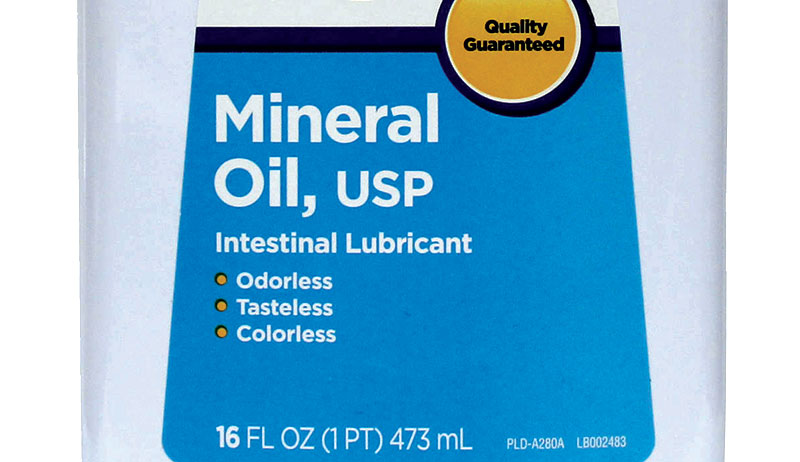
Historically, many types of fats including suet and butter were used to coat eggs for storage in the shell. For best results, use mineral oil, but know it isn’t a long-term solution. Coated, eggs must be refrigerated and used within three to four months, but it’s easy and it works. Simply coat them with mineral oil and place them pointed-side down in egg cartons in the refrigerator, turning them over once a month to keep the yolks from settling.

It’s a Crock

If you’re considering using great-great-grandma’s heirloom crock to preserve eggs, think again. Earthenware crocks were kitchen essentials from the 1700s through the mid-1900s. Known for their simple decorations, thick walls that sometimes bow out in the center, and their shiny, glass-like surfaces, they are prized today but best used as décor in lieu of practical purposes. Most were salt-glazed, but a second, lead-based glaze was sometimes applied. Unless an expert pronounces your antique lead-free and safe, don’t use it.

Modern replicas made in countries such as the United States and Canada that monitor the lead content of their products are a safer alternative and even with shipping costs factored in (crocks are heavy), usually a better buy than a vintage crock from an antique shop. Chose one with a securely fitting lid.

A cheaper and fully acceptable alternative is a repurposed food-grade plastic bucket, often available at low cost or for free from restaurants. New or used glass and food-grade gallon jars, sometimes available from the same sources, work well, too. Not usable are metal containers and plastics previously used to store toxic substances.

5. Pickling Eggs

preserve eggs extend egg shelf life
Shutterstock

One of the easiest and tastiest ways to preserve eggs is to boil, peel and pickle them. Because pickled eggs require refrigeration, you might want to buy a separate refrigerator just for this purpose.

Remember that peeling a fresh egg is not easy. Fresh eggs are difficult to peel because their lower pH whites cause them to adhere to the shell membrane. A good way to counter this is to bring a pan of water to a rolling boil and then lower eggs into the boiling water. Lower the heat to a simmer and cook for 13 minutes before carefully lowering them into an ice water bath for five minutes. Then gently tap each egg on a countertop to crack it all over and peel.

The simplest way to pickle eggs is to place them in canning jars, cover them with brine left over from home canned or commercial pickles, cap and refrigerate. But specially flavored pickled egg brines can be so much tastier.

Most any type of herb or spice can be used to pickle eggs by adding it to vinegar—amounts vary depending on the character and strength of the herb or spice—and heating the mixture to a boil, simmering for five minutes, and pouring while still hot over peeled, boiled eggs packed firmly into preheated, sterilized glass canning jars. Cool, cap and place the jars in a refrigerator.

It takes about two to four weeks for eggs to fully absorb flavor from pickling brine, but they are tasty after just a few days. They stay good in the refrigerator for three to four months, but they must be refrigerated to avoid the risk of botulism; don’t preserve them in unrefrigerated crocks as recommended in vintage cookbooks.

These delicious recipes are several from the Washington State University publication, “Pickled Eggs.”

Red Beet Eggs

  • 1 cup red beet juice, from canned beets
  • 1 1/2 cups cider vinegar
  • 1 teaspoon brown sugar
  • a few canned whole tiny red beets, or several slices of beets

Dilled Eggs

  • 1 1/2 cups white vinegar
  • 1 cup water
  • 3/4 teaspoon dill weed
  • 1/4 teaspoon white pepper
  • 3 teaspoons salt
  • 1/4 teaspoon mustard seed
  • 1/2 teaspoon onion juice or minced onion
  • 1/2 teaspoon minced garlic or 1 peeled garlic clove

Pineapple Pickled Eggs*

  • 1 can (12-ounces) unsweetened pineapple juice*
  • 1 1/2 cups white vinegar
  • 2 medium onions, peeled and sliced
  • 1/4 cup sugar
  • 1 teaspoon salt
  • 1 teaspoon whole pickling spice
  • *If sweetened pineapple juice is used, omit sugar.

6. Freezing Eggs

Another easy way to preserve your hens’ bounty is by freezing excess eggs. The simplest way is by scrambling raw eggs in recipe-specific portions, pouring them into plastic freezer containers or freezer-safe canning jars, and popping them into the freezer. They’ll keep for about nine months.

You can also pour lightly scrambled raw eggs into ice cube trays until frozen, pop them out and freeze them in freezer-proof bags or containers. You can also separate white from yolks and freeze each part in ice cube trays. Either method works, though the consistency of prescrambled frozen eggs is best. In a standard ice cube tray, two cubes of scrambled egg equal one egg or 1⁄4 cup of mixture. Because they’re frozen in small portions, they keep as long as a year.

No matter which method you choose to extend the shelf life of eggs, preserving eggs is pretty easy and something to consider to make sure nothing goes to waste.

This story about how to extend the shelf life of eggs originally appeared in Chickens magazine. Click here to subscribe.

Categories
Animals

Rabbit Care Basics: 5 Vital Essentials to Know

Rabbit care basics are the same for all breeds – housing, feed, health and safety. Rabbits are known as being excellent pets, an easy meat source and a wonderful resource for quality fiber. Keeping different breeds for different uses will vary their care depending on their size, coat, use and specific health concerns. Here are five basics to know before buying your first rabbit.

#1 Housing

Rabbits are popular pets because of their size and limited need for space. They are adaptable – able to live in the house, in hutches, cages and in colonies.

Rabbits are easy to litter box train and make excellent house pets because of this. Docile breeds are recommended as pets for older people or those with limited mobility due to their ease of care and love of cuddling.

When raising rabbits in cages, it is important to make certain they have enough space for their physical and mental health. Animal welfare organizations recommend rabbits be able to have “three hops” from end to end and be able to stand on their hind legs comfortably. Does with a nest box and kits need extra space.

Many people are concerned about outdoor housing for rabbits in cold climates, but rabbits are often more resilient to extremely low temperatures than they are to the heat. Rabbits that are outside in warm climates need shade and a regular breeze. Rabbits will also regulate their body temperature by digging into the ground to stretch their bellies against cool soil, so giving them access to dirt can be helpful.

#2 Feed

Rabbit pellets are available in varying protein levels from 13-20%. The correct type and quantity are dependent on the rabbit’s size, and breeding status. Rabbits can become obese very easily if they lack the opportunity for exercise or are over-fed.

Rabbits should also be given a steady supply of good-quality hay. This not only helps provide them with enough roughage but helps prevent their teeth from overgrowing, which can cause health issues. Rabbits can also get small amounts of roughage with fresh vegetation, provided they are fed small amounts to become accustomed to it. A sudden addition, or change to their diet can cause gastrointestinal distress, which can be deadly to rabbits.

#3 Health

Before purchasing your first rabbit, it is important to make certain you have a vet who can care for them. While rabbits are a common pet, it can be difficult to find them proper medical care when in need. Not all veterinarians will treat rabbits, so check with yours ahead of time.

Individual rabbit breeds may have health concerns specialized to them, but rabbits as a whole also have a number of issues that owners will need to be on the lookout for. Infections of the upper respiratory system, urinary tract or ears are common. Parasites can be an issue, depending on where you live and how the rabbits are kept. Other serious issues that should be diagnosed by a vet include cancers, GI stasis and – most recently in the western part of the United States – Rabbit Hemorrhagic Disease.

If your rabbit becomes sick, take it to a veterinarian right away. If your rabbit’s illness is serious or prolonged, you may spend hundreds, or possibly thousands, of dollars for diagnosis and treatment. (Postponing care often increases veterinary care costs, so always bring your rabbit to the vet when it first shows signs of a medical condition.)

#4 Safety Basics

For Indoor Rabbits:

Rabbits are prey animals and intensely curious – traits that can lead them into dangerous situations, even living in your home.

While rabbits raised with house cats can get along well, this is not always a good match-up. In cases where the cat or rabbit feels threatened, they may fight. A cat scratch or bite can easily become infected and fatal.

Likewise, household dogs can be a danger. No matter how friendly your pooch is normally to animals, rabbits can awaken a predator drive by running away. Even a dog who only means to play can kill a rabbit, simply by being bigger, and by having a strong bite.

Rabbits are voracious chewers. Make sure electrical, computer and telephone cords are covered with plastic tubing and wooden table legs are covered in bubble wrap. Some rabbits like to chew on cloth, so rugs, pillows and other upholstery items may be in harm’s way if a rabbit is given the run of a room. Household plants can also be fatal. Anything they chew that may have been cleaned with household chemicals, such as baseboards, can also be a risk.

Digging is another rabbit habit, and you may find the corners of your carpet lifted up if you let your rabbit roam free in a carpeted room. You’ll need to protect the corners of your carpeting if you have a rabbit with an inclination to dig. Offer digging options in the form of untreated grass mats as an outlet for your rabbit’s digging urge, or monitor your rabbit as it roams the backyard.

For Outdoor Rabbits:

A rabbit living outdoors or in cages is at risk for any of these things they come in contact with, as well as wild predators, such as rats, raccoons, foxes and aerial predators. Finding a way to protect your rabbits from Mother Nature can be a daunting task.

#5 Away-Care

If you go on vacation or business trips, you’ll need to find someone to care for your rabbit while you’re gone. Keep in mind that caring for a rabbit is different from pet-sitting a dog or cat in both feeding requirements (rabbits need an ample supply of hay throughout the day) and interaction (a rabbit needs supervised time outside its enclosure in a stress-free environment). Make sure your caretaker is fully aware of your rabbit’s needs.

How Much Time Do Daily Rabbit Chores Take?

Your rabbit’s hutch needs to be cleaned daily. During these clean sweeps, you will also need to wash and refill its water bowl or bottle and provide fresh hay, pellets and greens. Allowing it two to four hours to exercise outside the hutch is also beneficial to your rabbit’s health and well-being.

Before embarking on rabbit ownership, think long and hard about these responsibilities and whether you really want to take them on. Rabbits can live for nine to 12 years, so providing a home for a rabbit is a serious commitment. If you decide to make this commitment, try researching breeds such as Mini Lops, Mini Rex and Tan that you are interested in to find one that suits your specific needs.

This article about rabbit care basics was written for Hobby Farms magazine by Sherri Talbot and Audrey Pavia. Click here to subscribe.

Categories
Animals

Mini Rex Rabbits: Breed Profile & Care Tips

The Mini Rex rabbit breed was developed by Monna Berryhill in 1984 by combining a Dwarf Rex and a lynx Rex. Her final product was accepted into the American Rabbit Breeders Association (ARBA) in 1988, making them one of the newest breeds in the organization. The breed is a smaller version of the Standard Rex, reaching only 4.5 pounds. Like the Standard Rex, they are raised as pets and for show due to their plush, velvety coats. However, unlike the Standard, they are rarely used for pelts or meat due to their small size. They do have the benefit of a longer lifespan than their larger cousins, with an average of eight to twelve years.

The Rex Mutation

Both the Standard and Mini Rex are known for their unusually plush fur. While rabbits usually have a dual coat, containing an undercoat and guard hairs, the distinct feel of a Rex rabbit is due to a mutation in which the guard hairs are missing. This leaves only the softer undercoat, resulting in a dense, velvety feel. Unlike many rabbit fur types, Rex coats will stay in position, no matter which way the rabbit is stroked.

Showing the Mini Rex

The Mini Rex should present at show as well-rounded, with a thick hindquarter and midsection, wide shoulders and a short, thick neck. The ears should also be thick and no more than 3.5 inches long. Feet should be proportional – not too long – and parallel with each other. The bone structure should be reasonably fine, but the rabbit should be well-fleshed. Rabbits need to be healthy, well-groomed and be alert.

As with the Standard Rex, the coat is worth a large percentage of the points in the show ring, with the coat and color being worth fifty-five out of the full hundred points. Rabbits in molt – a stage often called “blowing their coat” are generally not considered desirable at judging. Fur needs to be dense and between 1/2 and 7/8 inch long. There are twenty-two accepted colors for the Mini Rex when showing under ARBA standards.

How to Care for a Mini Rex

Mini Rex rabbits have the normal health issues found in most rabbits, including respiratory issues, GI stasis and uterine cancer in unspayed females. The risk of cancer can be significantly reduced by spaying the rabbit. In addition, the unusual texture of their fur can cause an increased risk of injury in the hocks, so proper cage flooring is extra important when housing Mini Rex rabbits.

When buying cages, a small rabbit’s housing should be no less than thirty inches by thirty inches per rabbit. Rabbits are also social animals, so considering a cage that will hold multiple rabbits can help with their well-being. Cage size should also be increased if breeding rabbits, in order to provide space for their young.

The diet for the Mini Rex should be mostly made up of high-quality hay. This provides not only nutrition, but helps wear their teeth down to prevent dental issues. Limited amounts of fresh greens also increase healthy nutrition. Importantly, while many other rabbit breeds require pellets as a substantial part of their diet, Mini Rex should only have them as treats. A constant supply of fresh water also provides hydration and keeps their digestive system working appropriately.

A Manageable & Calm Rabbit

The Mini Rex is a small breed like the Mini Lop that is enjoyed by many due to its manageable size, calm demeanor and unusual fur. While personalities vary between individual rabbits in this breed, they are often pleasant pets and a recommended choice for seniors or others looking for an undemanding animal companion. However, being small can also make them a fragile pet around dogs, cats and young children. Still, with proper attention and care, they are a popular choice with many people interested in raising rabbits.

This story about the mini rex rabbit was written for Hobby Farms magazine. Click here to subscribe.

Categories
Animals

Mini Lop Rabbits: Breed Profile & Care Tips

Mini lop rabbits are small, but not the smallest of the lop breeds. The American mini lop is actually considered a mid-weight rabbit, at around six pounds. This can cause some confusion since there is a British-recognized miniature lop – which is much smaller – and the name is sometimes also shortened to mini-lop as well. Here, however, we will specifically be talking about the American breed.

An Unfinished History

The history of the mini lop, as it is documented in the United States, begins with a man named Bob Herschbach. Herschbach discovered the breed at a German show in 1972 where it was called Klein Widder, and weighed about eight pounds. Herschbach bred his own Klein Widder’s in the United States the same year and presented them to the American Rabbit Breeders Association (ARBA) two years later. They recommended a smaller size and a name change to appeal to Americans. By 1978, the breeder association had been formed and the breed was officially sanctioned by the ARBA. It has gone on to be one of the most popular rabbit breeds in the country and one of the most common pet rabbit breeds.

Unfortunately, we have lost to history who developed those original Klein Widder rabbits. While Bob Herschbach certainly deserves the credit for his work in developing the breed, it’s a shame we don’t know more about their original creator.

How Do You Care for Mini Lop Rabbits?

Mini lops should never be heavier than 6.5 pounds, with females being slightly heavier than males. A heavier rabbit may be a sign of obesity, which carries the same risk in rabbits as in humans and other pets. Mini lops are generally calm rabbits that enjoy attention. If your rabbit becomes agitated or exhibits aggressive behaviors, this may be a sign of illness or a problem in the environment.

While mini lops have the same issues as other rabbit breeds and require much the same care, their ears also require extra attention. Lop-ears on rabbits are a product of breeding, not nature, and they are hard for rabbits to groom properly on their own. They can develop infections, mites and wax build-ups. Recommendations call for weekly cleanings and even then, warn that this will probably only reduce the risk of ear infections. Finding a good vet in your area willing to treat rabbits is a wise idea before choosing this breed. On average, mini lops live eight to ten years.

Showing Mini Lops

Out of a total of one hundred points, the mini lop’s head and body are worth sixty-three points. Judges look for a compact, thick body with a wide head and shoulders. Solid muscles, a short neck and balanced proportions are signs of a healthy rabbit with good body conformation. A long face, body or neck are faults.

The ears are worth twelve points. Combined with the crown – the point where ears connect to the head – this is one of the most complicated parts of judging. The ears must be firmly connected, hang vertically and form a horseshoe around the rabbit’s face. There should be no creases in the ear and size should be proportional to the head.

The legs, feet and bone structure combine for a worth of only five points. As with all rabbits, the feet should be straight and parallel. The bone structure should be strong and the legs short and thick enough to support the weight of the rabbit easily.

Unlike the Jersey Wooly rabbit, fur is likewise given little consideration, provided it looks healthy, is the proper length and shows no other concerning traits. Interestingly, color is not considered in mini-lops unless all other traits between rabbits have been judged equal.

Mini Lops: A Popular Pet

Like many of the smaller rabbit breeds such as the polish rabbit, mini lops are popular pets and show animals. Their size, calm demeanor and ease of care make them an attractive companion option for other people or those interested in a quieter pet.

This article about mini lop rabbits was written for Hobby Farms magazine. Click here to subscribe.