Categories
Beginning Farmers

5 Places to Look For Farm Grants

5 Places to Look For Farm Grants - Photo by jane boles/Flickr (HobbyFarms.com) #grants #farmfunding #beginningfarmer

If you’re like many small-scale beginning farmers, you’ve stared at a certain piece of your property longing to build a greenhouse, pond or a commercial kitchen, but haven’t had the funds to make it happen. One solution to this problem is to seek out grants that will give you the access to capital needed to further your farm operation.

State and federal governments, along with colleges and other institutions, set aside funding to help farmers afford the things they need. Some of these grants are geared towards specific types of projects while others allow you to invent the project yourself. Some pay the full amount while others share the cost with you. Either way, there’s money out there waiting to help you get your project going—the big question is where to find it. The sites and organizations below are good places to start.

1. Local Extension Agent

One of the best places to start your grant search is with your local cooperative extension agency. Every county has one available, and their services are primarily free. The county extension agent is a person appointed to assist farmers in finding USDA loans and certain agricultural grant programs. If you are at all interested in getting grants, this should be the first person you check with.

For many state and federal grants—especially those from the USDA, Environmental Quality Initiatives Program (EQIP) and Natural Resource Conservation Service (NRCS)—the extension agent can tell you what’s available now, what will be available in the near future, and how best to prepare yourself so that when grants do come available, you’re ready. Although some people hesitate inviting the government into their operation, wait to pass judgement on these programs until after you’ve spoken with your extension agent, as some grants are less invasive than others. Even if none of their grant opportunities appeal to your needs, the county extension agent is an excellent person to remain in contact with for other farm help.

2. Grants.gov

The federal government has set up an entire website dedicated to helping people find grants. To get grant leads, sign up for the Grants.gov newsletter, which will give you reports on agencies like the NRCS, USDA, private organizations, and other farm and agriculture-related institutions. The beauty of these newsletters is that they not only tell you what the grants are and give you a variety to choose from, but they also send you the press release with the specific goals for those grants, helping you determine if it’s the right fit for your operation. To choose the type of email alerts you want to receive, click “Manage Subscriptions” at the top of the home page.

3. Farm Aid

Well-known for fundraising concerts put on by Willie Nelson and other famous musicians, FarmAid.org is a network of more than 700 family farms across the U.S. and offers great resources through their Farm Aid Resource Network. Visit their website to peruse information on grants, loans, legal advice and much more. Interested farmers can sign up for their emails, call their hotline (1-800-FARM-AID) or email them directly at farmhelp@farmaid.org.

4. Philanthropy News Digest

Philanthropy News Digest constantly updates their site with grant release information and sends out customizable alerts. As with Grants.gov, you can register with the site and select which areas appeal to you. They will update you periodically when suitable grants come available.

5. Google Alerts

Last, but definitely not least. Myrisa Christy of the Kentucky Center for Agriculture and Rural Development suggests that anyone wanting to find grants sign up to receive Google Alerts. Google Alerts is a customizable program set up by Google to send you emails about whatever phrase or keyword you’re interested in, such as “grants for farmers.” You also get to choose the frequency with which you receive them—daily, weekly, et cetera—and can even further customize them to fit your specifications (so you’re not receiving emails about people named “Grant Farmer”). Make your notifications as specific as possible so you’ll receive updates about grants within your state or even within your region, as there will inevitably be grants available in your area that are not available elsewhere. “If you don’t know how to sign up for Google Alerts, Google it,” Christy joked. Indeed, Google will take you right to where you need to go.

Categories
Beginning Farmers Crops & Gardening

How I Almost Ran Off With the Mushroom Man

It’s strange how random encounters stick with you. Years ago, at the San Francisco Ferry Building Farmers’ Market, there was a guy who sold mushrooms. I’d always been a white mushroom kinda gal, occasionally adventuring into the world of portobellos or criminis, but it wasn’t until I met Awesome Mushroom Guy that I crossed the border into the world of exotic mushrooms.

He may have had a little crush on me, or perhaps he was just obsessed with evangelizing the wonders of mushrooms, but one day after I had made my usual mundane selection, he put a hand on my arm. “Wait,” he said. “You need to try one of these.” He plucked a weird-looking, shaggy white clump from a bin and added it to my bag. “It’s a lion’s mane,” he said, in reverent tones. “They’re amaaaaazing.”

I was a bit frightened, both by his intensity and by the strange fungus, but I took it home, sliced it up, and sautéed it in a bit of butter. Meaty, delicious, and tasting a bit like seafood (scallop? lobster?), it was indeed amazing, with the extra “a’s.” I could have eaten 40 of them.

I couldn’t wait for the next market day. I charged Awesome Mushroom Guy’s table like it was a clearance sale at Nordstrom Rack. “MORE!” I panted. I loaded up: Another couple of lion’s manes, some chanterelles, a few oyster mushrooms. I was hooked. Awesome Mushroom Guy was thrilled: He had an acolyte.

One day, he slipped something into my bag, after I’d paid. A gift. “Something special,” he whispered, with a knowing wink. I was pretty sure it was some kind of contraband. Did he sell psilocybin mushrooms, as well? I took a peek in the bag as I walked back to my office. The mushroom looked like something from a fairy story: Its shape, that of a tiny wizard’s hat; its spongy surface was covered with wrinkled ridges. It looked … foresty.

It was a fresh morel!

I’d heard of morels, but their rarity and price had kept them out of my reach. I bought some fresh fettuccini and minced that single morel into a light cream sauce. It was a revelation. That single, tiny mushroom boosted the flavor of the sauce into the stratosphere. After that morel, I seriously considered deepening my relationship with Awesome Mushroom Guy beyond our weekly tête-à-tête at the Farmers’ Market. If you’ve ever had a fresh morel, you’d understand.

Years have passed, but I’ve been fascinated by mushrooms ever since. I’ve got ambitions of foraging, but I am definitely cautious enough to know I’ve got to round up an expert. I don’t want to risk my liver on a misidentified ’shroom. So, in order to satisfy my longing, I decided to put together a mini-mushroom farm.

Like many things in my life, the mini-mushroom farm quickly spun out of control.

I ordered a packet of 100 lion’s mane mushroom plugs from the lovely folks at Fungi Perfecti (www.fungi.com). I selected an oak that needed trimming, cut the logs into the required 3- to 4-foot lengths and began drilling my plug holes. After a while, I decided to count the holes, to make sure I was going to have enough. I had 131 holes, and a fair amount of log to go. I called my new BFFs at Fungi Perfecti to order another packet. “How big is the log?” Heather Fungi Perfecti asked. “And how close are those holes?” Turns out I may have been a bit overzealous in my hole placement. This might be the best-inoculated mushroom log in the history of the world.

Heather Fungi Perfecti popped another packet in the mail and told me not to worry. My confidence restored, I ordered a couple packs of pearl oyster mushrooms and a packet of shiitakes. Meanwhile, I dutifully tapped the original set of plugs into my log and sealed them with beeswax. When the next packet arrives, I’ll finish out that log, and maybe start another. And a shiitake log … and a pearl oyster log …

Once I get the logs inoculated, it’s a waiting game while the spawn incubates. ’ll keep them moist through the spring and summer, then sometime in the fall, I’ll initiate them (a whole new world of jargon! Is there anything better?), partially burying them in buckets of sand in preparation for fruiting. Until then, I’ll keep my fingers crossed and my appetite whetted. Awesome Mushroom Guy would be so proud.

« More Greenhorn Acres »

Categories
Farm Management

4 Lavender Tips from Los Poblanos Inn

4 Lavender Tips from Los Poblanos Inn - Photo by Lili DeBarbeiri (HobbyFarms.com) #farms #travel #visit

Located in the lush riverbed of the Rio Grande just outside the Albuquerque, N.M., city limits, Los Poblanos Historic Inn and Organic Farm is one of the most memorable farm vacations I’ve taken. Its high desert location straddles the urban and rural divide, immediately captivating visitors with its lush scenery and unique offerings.

A Peek at the Past

This land, originally inhabited by Ancient Pueblo people, became home to the original Creamland Dairies in the 1930s, supplying Albuquerque with a considerable portion of its milk and cream. The ranch boasted one of the finest purebred herds of Guernsey and Holstein cattle in the Southwest and played a significant role in building up the dairy industry in New Mexico. A mural on the wall of the Farm Shop depicts scenes of those days.

4 Lavender Tips from Los Poblanos Inn - Photo by Lili DeBarbeiri (HobbyFarms.com) #farms #travel #visit

The farm also experimented with raising sugar beet seed in an effort to wean American dependence on imported sugar beets, but in 1976, influential locals Armin and Penny Rembe bought the ranch and worked to restore and preserve its land and buildings.

Today, Los Poblanos consists of the original estate with lodging, dining, events and retail, but it’s the organic lavender farm that truly sets the land apart. Driving through the entrance to the farm, you’ll take in line of tall, majestic cottonwoods and then rows of lavender crops, lily ponds, bountiful gardens and free-ranging peacocks. Interestingly, the land functions again as a model experimental farm, producing organic lavender produce and raising honey bees.

4 Lavender Tips from Los Poblanos Inn - Photo by Lili DeBarbeiri (HobbyFarms.com) #farms #travel #visit

Lay of the Lavender

With 39 species and many hundreds of varieties, lavender is a popular herb grown all over the world. Los Poblanos proudly grows Grosso lavender. The ranches head lavender farmer Jason Bean shares these lavender tips.

1. Don’t Overwater

Lavender likes dry soil and can be grown using very little water, making it a great choice for arid regions like New Mexico. The lavender farm at Los Poblanos is part of a village- and state-driven sustainability initiative to create a high-margin crop with very little water use, and it aligns beautifully with the farm’s commitment to sustainability. If you come for a visit, check out the farm’s handmade steam distiller used to make lavender oil.

2. Keep Bees

Los Poblanos’ lavender, as well as its fruit trees and produce, are greeted by honey bees throughout the warmer seasons. The farm keeps many active hives on the property to pollinate crops and produce honey for meals served at the inn’s award-winning restaurant, La Merienda.

3. Cook With It

Culinary lavender is a versatile herb that can be used to enhance both the flavor and appearance of food. Los Poblanos plans on adding culinary varieties to its lavender fields this year.

4. Use It as Medicine

Lavender can be a mainstay of your medicine cabinet, too. Since the first Spanish settlers brought lavender to the Southwest, it’s been used for its soothing medicinal and aromatic properties. Lavender speeds healing, reduces scarring and kills germs, and the essential oil can also be used to ease restlessness, headaches and tension.

When You Visit

4 Lavender Tips from Los Poblanos Inn - Photo by Lili DeBarbeiri (HobbyFarms.com) #farms #travel #visit

Los Poblanos manages to be both calming yet bustling with a real sense of community. When John Gaw Meem, considered the 20th century’s most influential designer of New Mexico architecture, designed the hacienda-style inn, he ensured all guest-room windows opened to a courtyard, coaxing visitors to get outside and walk the grounds. The place overflows with historical artifacts and local charm. Here are some activities and attractions you can’t miss during your visit:

  • Farm Shop: Housed in the original Creamland Dairy, the Farm Shop is stocked with the farm’s best-selling lavender soaps, lavender spa products, kitchen tools, books, delectable snacks, and more. Its popular lavender line sells all around world—they even have a following in Japan.
  • Lavender Labs: This two-month event held in June and July to celebrate lavender season includes various workshops, classes, tours and tastings.
  • Gardens and Greenhouse: Enjoy several gardens, including the the lavender fields and the Rose Greely Garden, as well as the historic Lord and Burham greenhouse, filled with seedlings, lavender plants, cacti and greens for the kitchen.
  • Betty’s Bath and Day Spa: A locally owned spa just 2 miles from the farm offers a special lavender package and is continually voted best spa in Albuquerque by several local publications.
  • Los Poblanos Open Space and Los Ranchos Agri-Nature Center: Across the street from the inn, enjoy trails, a seasonal corn maze and learning center. The open space has a variety of wildlife, active farming, fellow outdoor enthusiasts and links to acequia irrigation routes. 

« More Farm Traveler »


Categories
Animals Poultry

6 Foraging Chicken Breeds for the Thrifty Farmer

When keeping chickens, feed costs can certainly add up quickly. The good news is that by raising good foraging breeds and letting your flock free-range to find their own sources of proteins and greens, you can help keep that feed bill under control.

While the following six chicken breeds are excellent foragers, there are a few things to consider when allowing them to free-range. The first is camouflage: As you choose your breed, opt for feather colors that will help your birds blend into the background, making it harder for predators to attack them. Some of the breeds below are only available in one color, while others have several variations. Second, bear in mind that most heritage breeds are good foragers, so don’t worry if you don’t find your favorite breed on this list. Many of the most popular dual-purpose heritage chickens can bear confinement or adapt to a free-range environment.

1. Buckeye

6 Foraging Chicken Breeds for the Thrifty Farmer - Photo by Nikol Lohr/Flickr (HobbyFarms.com) #chickens #chickenbreeds

Named for the Buckeye state of Ohio, where this bird originates, the Buckeye chicken sports feathers of a deep reddish-copper hue with yellow legs and skin, and a sensible pea comb, making the bird ideal for cold climates. The Buckeye is a dual-purpose bird, and the hens lay a moderate number of medium-sized brown eggs. This breed not only loves to forage, but prefers it—in fact, it doesn’t bear confinement well at all. The Buckeye can be docile, curious and friendly, but it’s very active and wants to be on the move. Be sure to give this bird lots of space.

2. Egyptian Fayoumi

6 Foraging Chicken Breeds for the Thrifty Farmer - Photo by Will Thomas/Flickr (HobbyFarms.com) #chickens #chickenbreeds

The Egyptian Fayoumi is small and sassy. While this breed is practically unheard of in the United States, it has been bred and raised in Egypt for centuries. It matures very young and makes a fair table bird, though its egg production is rather low compared to some of the production breeds popular in the U.S. Fayoumis can be lively and flighty, finding confinement difficult. They are hardy little chickens that do exceptionally well in hot climates. Their black-and-white barring color is beautiful, and of course, they’re adaptive, economical eaters.

3. Minorca

6 Foraging Chicken Breeds for the Thrifty Farmer - Photo by iStock/Thinkstock (HobbyFarms.com) #chickens #chickenbreeds

This Spanish breed is another hot-weather favorite. Available in standard and bantam sizes, the Minorca will adapt to confinement if necessary, but it prefers to range freely. Some fanciers have noted this breed can be rather flighty and choose to avoid humans. Hens are excellent layers of large, white eggs. Minorcas are available in Black, Buff and White.

4. Plymouth Rock

6 Foraging Chicken Breeds for the Thrifty Farmer - Photo by Marie Richie/Flickr (HobbyFarms.com) #chickens #chickenbreeds

As far as American heritage breeds go, the Plymouth Rock has it all: They’re hardy but docile, fare well in colder weather, produce an excellent number of brown eggs, and have great personalities. Plymouth Rock hens are typically good setters and make great mothers. This heritage breed is listed as Recovering on the The Livestock Conservancy’s Priority List.

Named for the location where the Pilgrims supposedly made landfall, this dual-purpose bird was once the most popular chicken in America, only to be dethroned by the Rhode Island Red, as you’ll see below. In my free-ranging flock, my Barred (a subtle black-and-white feather pattern) Plymouth Rock hens are the only ones to have survived every predator attack (so far), though I believe that to be attributed more to their will and smarts, rather than feather pattern. While many colors are accepted for the breed standard, the barred variety was the original and remains the most recognizable for the breed today.

5. Rhode Island Red

6 Foraging Chicken Breeds for the Thrifty Farmer - Photo by Garrett Heath/Flickr (HobbyFarms.com) #chickens #chickenbreeds

The Rhode Island Red is a barnyard and backyard classic. Easily the most popular American chicken and the most well-known domesticated fowl around the world, the Rhode Island Red is probably the best egg layer on this list. The common Rhode Island Red available today through most hatcheries is a lighter brownish-red than the older, non-production strain, which has Recovering status on the Priority List. Either strain you end up with, this bird is a great addition to a foraging flock.

The breed was developed in its namesake state of Rhode Island and is now their official state bird. Hens lay large, brown eggs and are incredibly curious, friendly and personable. Roosters can become aggressive, however, and are not recommended around children. Although the Rhode Island Red is a heavy breed that eats heartily, it’s an adaptable forager and, in my experience, has been the most tenacious when catching bugs and insects while on pasture.

6. Welsummer

6 Foraging Chicken Breeds for the Thrifty Farmer - Photo by Josh Larios/Flickr (HobbyFarms.com) #chickens #chickenbreeds

In the interest of playing favorites, I’ve saved the best for last. Of the excellent free-rangers on this list, my top pick would be the Welsummer—this breed has many of the same characteristics as other heritage chickens (e.g., cold hardiness and great laying abilities), plus exceptional foraging skills. The Welsummer is a first-rate forager, but also a beautiful bird: Its red partridge coloring is attractive and very camouflaging. Hens are above-average layers of gorgeous dark-brown, medium-sized eggs, especially for a more petite bird. All around, this chicken breed has a lively personality, though some can be calmer and some can be more flighty. This is a chicken I’ll always keep in my flock.

About the Author: Kristina Mercedes Urquhart writes from the mountains of Candler, N.C. Follow her homesteading exploits at www.kristinamercedes.tumblr.com.


Categories
Crops & Gardening

Use Climbing Hydrangea to Cover Ugly Vertical Spaces

Use Climbing Hydrangea to Cover Ugly Vertical Spaces - Photo by Cassey/Flickr (HobbyFarms.com)

We have an ugly metal shed in the back part of our yard. From the patio, we get a clear view of its big, beige sidewall. This winter, I’ve been carefully thinking about something I can do to help obscure the shed from view of the patio. I like the idea of covering it with plant material, and for a brief time, I considered making it into a living wall, though I think doing so might be a bit too heavy for the shed and the extra weight could hurt it structurally.

My next logical thought was to plant some kind of vine at the base of the wall and let it ramble up the side, but I don’t want to have to install a trellis for a twining plant, like a clematis, a climbing rose or an annual vine. I need something that will cling to the metal wall all on its own. The area is also primarily shade.

After doing a bit of research, I’ve come up with the perfect plant: a climbing hydrangea. I’ve seen this plant many times before, and though it takes a few years to bloom, I’m willing to be patient because the results are worth it.

Climbing hydrangea (Hydrangea anomala petiolaris) is a native of Asia. It produces aerial roots along the stems, allowing the plant to cling to fences, arbors, trellises, buildings and even trees much like the ubiquitous English ivy. At maturity, climbing hydrangeas can reach 30 to 50 feet high and 5 to 6 feet wide.

Use Climbing Hydrangea to Cover Ugly Vertical Spaces - Photo by Louise Joly/Flickr (HobbyFarms.com)

The leaves of climbing hydrangeas are glossy green and heart-shaped, and though this vine is deciduous, the plant is lovely even in the dead of winter due to its cinnamon-colored bark. Climbing hydrangea will tolerate full shade but partial sun is best: the north or east side of a building or the dappled shade of a tree canopy are its favorite places. Our shed wall faces west but is largely shielded by trees, so it should be a perfect fit.

Climbing hydrangea’s large, flat, lace-cap flowers are creamy white and appear in early summer. As I said, they are notorious for taking their time to arrive, with a normal first appearance being five to six years after planting. They are worth the wait, though, because once they do decide to show up, there’s no stopping them and the plant will be smothered in beautiful blossoms every year.

The flowers are formed on year-old wood, meaning the growth that occurs this year will produce next summer’s flowers. This means that any pruning needs to take place immediately after the plant flowers, in early summer. Pruning in spring, fall, or winter removes potential flower buds.

I’m considering a new variety that has recently entered the market: Firefly climbing hydrangea has unique variegated foliage—dark-green leaves with a broad creamy yellow margin—that makes a stunning backdrop for its creamy white flowers. I think the variegation would look beautiful in this particular location.

Get more of Jessica’s favorite garden picks on HobbyFarms.com:

« More Dirt on Gardening »


Categories
Urban Farming

Candied Orange Peels

Candied Orange Peels - Photo by Judith Hausman (UrbanFarmOnline.com) #candy #recipe

Candying orange peels is fun and special. The thrifty process reminds us that oranges in the winter for the holidays were exotic and rare—no part of the precious citrus fruit could be thrown away. At the same time, the bitter-sweetness of this treat is adult and particular. It’s a sweet grandma would reach for; not at all like the gooey chocolate bars or peanut butter cups we ran to as kids. A pretty boxful of the candied peel also makes an interesting gift.

The process used below on orange peels can also be used to candy tangerine or lemon peels. You first blanch them to remove the bitter oils and soft the peel. Then toss them with hot simple syrup and coat with sugar to leave them well preserved.

Beyond just nibbling with a cup of good espresso, candied orange peels are essential for baking fruitcake or Italian panetone and can be added to coffee cake, oatmeal cookies or even simple muffins. They make spectacular garnishes for an orange, lemon or chocolate layer cake or for a chocolate tart. Try making a traditional French mendicant tart, a rich winter dessert in which twists of candied peel, dried fig bits, almonds and hazelnuts stud a smooth dark-chocolate ganache.

Ingredients

  • peels of 2 oranges (navel or tangelo)
  • 1 cup water, plus more for blanching
  • 1½ cups sugar, divided

Preparation

Remove as much of white pith from peels as possible. Cut peels 1/2 to 1/4 inch wide. Cover in water and simmer for 15 minutes. Drain and repeat this process one to two more times to remove bitterness from peel.

In small pot, mix 1 cup sugar and 1 cup water. Bring to boil, stirring until sugar dissolves, to make simple syrup. Add peels to hot simple syrup, and simmer for 45 minutes, until quite soft.

Using slotted spoon, drain and lift peels onto cookie sheet lined with foil or silicon baking sheet. Sprinkle wet peels with about 1/3 to 1/2 cup sugar. Let dry for 24 to 48 hours. Store packed loosely and covered a tin or glass dish.

Read more of The Hungry Locavore »


Categories
Animals

5 Herd-Health Tips To Prevent Disease

5 Herd-Health Tips To Prevent Disease - Photo by Magnus Akselvolt (HobbyFarms.com)

For a healthy, thriving farm, it’s important that you meet the physical needs of your animals to ensure they’re putting all their energy into their production instead of recovering from illness. One of the best measurements of a herd’s health and welfare is a farm’s production numbers—not incidence of diseases and death like most farmers think. Many farmers don’t even realize they’re on the verge of a disease outbreak because they only look at the sick animals as a benchmark of health. As a veterinarian, I’ve found that basic management practices are often overlooked, but you can avoid visits from me and my colleagues by putting these five practices into place immediately.

1. Provide Good Nutrition

Not only do your animals need proper nutrition to grow, produce milk or lay eggs, but they also need it to build their immune systems. When an animal is sick, it requires even higher nutrient levels, so if it’s not receiving proper nutrition, it’ll likely suffer.

Feed testing is a good way to ensure your animals receive enough carbohydrates, protein, and most importantly, minerals and vitamins. A lack of appropriate vitamins and minerals is most often the issue when a nutrition-related disease outbreak occurs, but it can also be a lack of energy or water. However, keep in mind that excess nutrients can be as dangerous as deficiencies, so consult your veterinarian about what’s appropriate for your animals: They’ll be familiar with the soil nutrient deficiencies and diseases common in your area, which will determine what supplements you provide.

2. Vaccinate Properly

Many farmers try to avoid the cost of vaccines, especially when money is tight, but this is a huge risk. Boosting your animal’s immunity through vaccination not only helps prevent disease outbreaks, it also reduces the severity of an outbreak, should one occur, thus limiting the impact on the herd or flock. During an outbreak, most of your production losses are actually from seemingly healthy animals fighting off the disease. Every species and herd has a different list of vaccine-preventable diseases and various levels of risk, requiring different vaccine protocols. Discuss vaccine management with your veterinarian to customize protocol that will protect your herd the best.

Vaccines, especially modified live vaccines, need to be properly handled to ensure they work. Vaccines are temperature-sensitive and won’t work if they become too hot or cold. You also need to follow the expiration date: Modified live vaccines are only good for a few hours after mixing, so always check the packaging for time requirements.

Vaccines can also fail if they’re improperly injected. I’ve been at farms where the person vaccinating the calves releases the handle on the self-filling syringe before removing it from the skin. Because the needle was still in the pool of vaccine in the calf, it sucked that up rather than refilling from the bottle, meaning none of the calves got a proper dose of vaccine while the bottle stayed full and became red with blood. I also commonly see the needle going through the other side of the skin instead of into the animal, which can waste the entire syringe. Every animal needs to receive a proper dose of vaccine to be best protected.

3. Purchase Animals from Healthy Herds

This seems like an obvious tip, but it’s not always followed. Many disease outbreaks occur right after the farm brings in new animals, often from an auction house. By purchasing animals directly from a farm so that they don’t undergo the stresses of mixing with other animals and spending time in unfamiliar surroundings, you reduce the risk of disease immensely.

4. Quarantine Sick Animals and New Arrivals

If you purchase animals, always quarantine them from your herd for at least 2 weeks, and preferably for a month. That way, if the stress of moving to your farm makes them sick, they won’t spread the illness to your current herd. Even if animals don’t look sick, they may be shedding a pathogen or parasite from their previous home that could cause an outbreak among your animals. Quarantining any sick animals from your herd helps to reduce the spread of disease, as well.

5. Keep Records

As tedious as bookkeeping can be, keeping proper records helps track disease prevention and management. For example, if you keep good records on production, treatments and replacement animal purchases, you can determine whether you have an underlying illness or welfare concern. If you have a drop in production, you can guarantee that you have a welfare issue that needs to be treated.

For more help implementing a management system suited to your farm, have your veterinarian perform a herd-health audit to customize a plan.

Get more animal health tips from HobbyFarms.com:

  • How to Get In Tune With Your Livestock’s Health 
  • All Hay Is Not Created Equal: Choose Your Livestock’s Carefully
  • 7 Common Poisons That Could Be Hurting Your Livestock
  • 6 Natural Methods for Deworming Livestock
  • 7 Tips to Reduce Feed Waste and Save Money


Categories
Recipes

Earn A Profit With Your Home-Canned Preserves

As we blogged about last week, farmstead chefs can launch a business from their own kitchens, often with little to no red tape or expense, thanks to cottage food laws. A good way to start making money is with canned food.

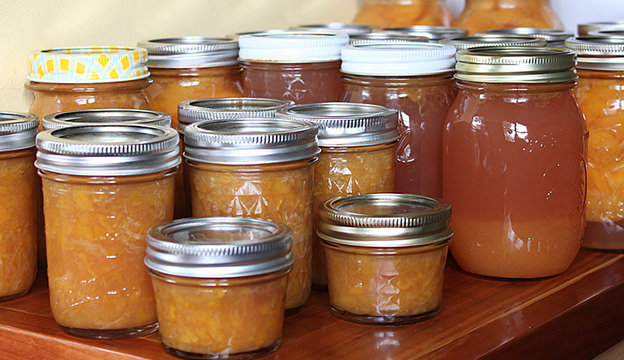
What makes canned goods perfect for beginning farmers and backyard growers is that you can add value to your homegrown fruits and vegetables by turning them into tasty, shelf-stable treats. If you’re already stocking up your own pantry, it can be easy to make a few extra batches for sale. Popular high-acid, “non-hazardous” food items, like pickles, jams, jellies and salsa, are often included in cottage food laws across the country. Plus, if you opt to sell them as gifts, you can often charge more for them at venues like holiday markets.

“We increasingly find that our customers enjoy the tried and true: pickles, salsa and fruit jams,” says Erin Schneider, who operates Hilltop Community Farm in LaValle, Wis., with her husband Rob McClure. Their farm is one of the featured stories in Homemade for Sale. (For a chance to win a copy, visit our Facebook page through the end of the month.)

Value-added items are often referred to as specialty food products, defined by the Specialty Food Association as “foods and beverages that exemplify quality, innovation and style in their category. Their specialty nature derives from some or all of the following characteristics: their originality, authenticity, ethnic or cultural origin, specific processing, ingredients, limited supply, distinctive use, extraordinary packaging or specific channel of distribution or sale. By virtue of their differentiation in their categories, such products maintain a high perceived value and often command a premium price.”

Specialty foods are big money makers, according to the SFA. Specialty food sales grew 22 percent between 2010 and 2012, reaching $85 billion in 2012. While grocery retailers are the primary distributors of specialty foods, many states’ cottage food laws also allow cottage food operators to sell them through direct channels, such as farmers’ markets or direct order. (Note: Most cottage food laws prohibit cottage food operators to sell via grocery stores.)

“Many customers appreciate expanded options to appease their palette and add to their winter larder when it comes to enjoying farm-fresh preserved products year-round,” Schneider says. “Our quince and raspberry spread we debuted at a pickling workshop during the Reedsburg Fermentation Fest was a success, as is anything with currants and elderberries. Rob has also obtained quite a fan base and following during the holiday fairs with his garlic dill pickles.”

Schneider provided a recipe below for another winner, their Sweet Pickle Relish, which was passed down through her family. You can find a similar recipe in the Ball Complete Book of Home Preserving.

“This is a particularly good recipe for cucumbers that have gotten too big for pickling,” she says, noting that even the most attentive farmer misses a few cukes here and there. “If the seeds are large, start by slicing the cucumbers lengthwise and scooping out the seeds with your fingers. Hand-dicing the ingredients will give a pleasantly chunkier mouth-feel than using a food processor.”

Whenever canning, whether for home or for sale, be sure to follow the best practices outlined on the National Center for Home Food Preservation website. (LINK https://nchfp.uga.edu/).

Recipe: Sweet Pickle Relish

Courtesy of Erin Schneider, Hilltop Community Farm

Yield: about 5 pints

Ingredients

  • 8 cups diced pickling cucumbers
  • 4 cups diced onions
  • 1-2 red pimiento or bell peppers, diced
  • 1½ quarts plus 2 pints cold water, divided
  • 1/2 cup pickling salt
  • 2 pints white or cider vinegar
  • 2-3 cups sugar (depending on how sweet you like your relish)
  • 1 T. celery seed (heaping)
  • 2 T. yellow mustard seed

Preparation

Mix diced vegetables in nonmetallic container. Dissolve pickling salt in 1½ quarts cold water, and pour over vegetables so they’re covered. Place mixture in refrigerator for a few hours to make relish more crunchy.

In large enameled or stainless steel pot, boil vinegar, sugar, 2 pints water, celery seed and mustard seed. Stir to help sugar dissolve.

While syrup is heating, strain diced vegetables through colander or sieve, expressing as much liquid as possible. Add vegetables when syrup is boiling; bring to boil and simmer for 5 to 10 minutes, reducing liquid. Transfer to heat-sterilized jars and process for 10 minutes in hot water bath.

Get more recipes that can be canned from HobbyFarms.com:

Categories
Crops & Gardening

Wild vs. Garden Strawberries: Which Should I Grow?

A few days ago, I asked my 4-year-old daughter what I should write about this week. This can be a fairly dangerous exercise, but because I wasn’t incredibly inspired, I threw caution to the wind. She was wearing a Strawberry Shortcake shirt, so after thinking for a moment, she looked down and announced that I should write about strawberries.

To all of you who have had enough winter and are now craving the sweet taste of spring, I will apologize in advance. Discussing strawberries may well push you over the edge, but I am bound by parent-child responsibility to write as I was instructed. It’s truly a timely post if you are hoping to plant strawberries this year—you want to get your plant orders in fairly soon.

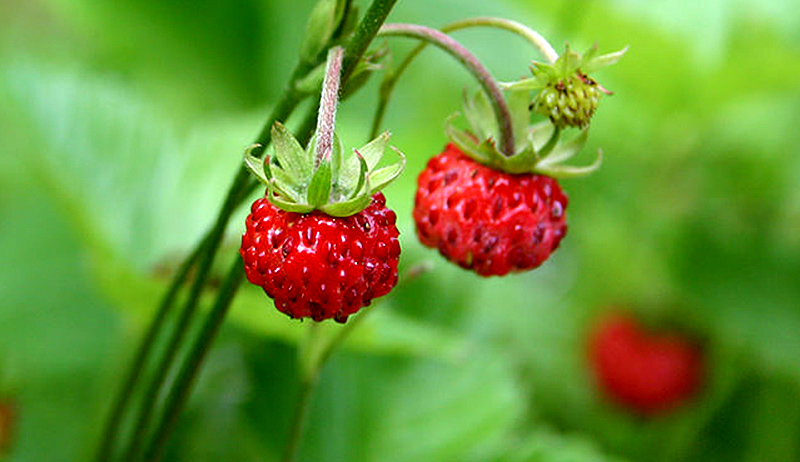
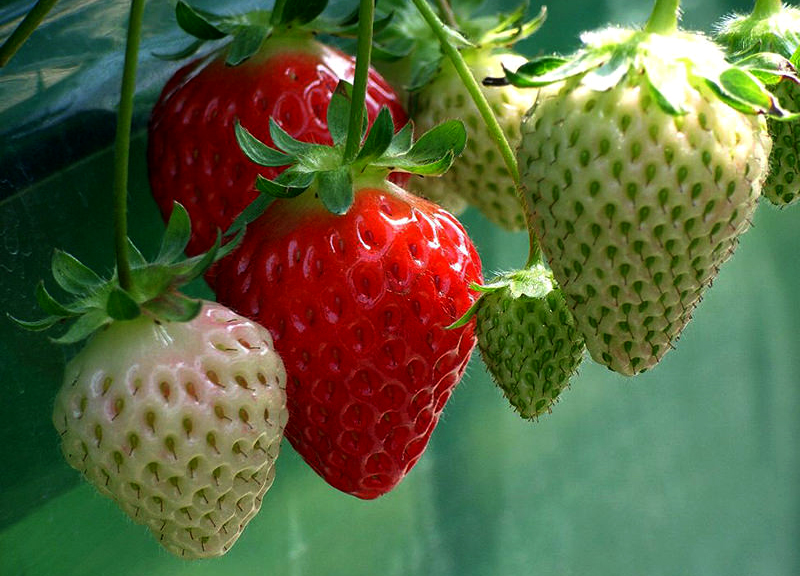
There are two different kinds of strawberry you can add to your garden: Wild strawberry (Fragaria vesca) and the big, juicy garden strawberry (Fragaria ananassa). Wild strawberry is a bit harder to find, but it may be worth the effort. Many people believe the tiny fruit of wild strawberries is much more vibrant and sweet. I find the difference between it and garden strawberries is like the difference between a summer-picked heirloom tomato and a hothouse variety.

The strawberry is in the rose family, meaning it’s also related to red raspberry (Rubus idaeus). Both fruit plants carry a phytochemical called fragarine within their leaves. This chemical has been found to support uterine health by toning and strengthening the muscle.

Benefits of Garden Strawberries

strawberries
igusr0/Flickr

While both wild and garden strawberries have their medicinal uses, F. ananassa is used more for its fruit than its leaves. The fruit are high in vitamin C and tannins, making them lightly astringent and perfect for a skin tightening facial or for whitening your teeth. I have tried whitening my teeth with strawberries, and it’s extremely effective. Internally, they are supportive to the immune system because of their antioxidant content.

Benefits of Wild Strawberries

wild strawberries
Visa Kopu/Flickr

F. vesca is the strawberry you would use for the healing aspect of their leaves. Due to the astringency of wild strawberry leaves, you can use them for diarrhea, as well as many different kinds of female imbalances. The fruit has been used for pain relief in arthritis and gout.

Growing Strawberries

strawberries
Chiot’s Run/Flickr

You can plant wild strawberries by seed, though I’ve never seen them for sale this way. Instead, it’s best to forage them. If you want to grow the more common F. ananassa, you’ll be looking for plants only. The plants spread by a stem modification called a stolon. A stolon is really a lifeline by which the parent moves a baby plant out and away from itself. You might have friends with strawberries who can share some of the little plantlets that form at the end of each stolon. These plants will root easily and become independent from the parent once the stolon is cut.

I can’t wait for spring and strawberry season! Get out there and look for those wild strawberries this year and try some berries, but don’t forget to save some leaves to dry for later.

Categories
Homesteading

Lemon Poppy Seed Lip Scrub

Lemon Poppy Seed Lip Scrub - Photo by Merissa Alink (HobbyFarms.com) #sugarscrub #diy

After a long, cold winter, I always have dry skin that needs to be taken care of before I ever put a sundress back on. It takes a good amount of lotion and weeks of using scrubs to get my skin back to a healthy condition again. Of course, we do things in the winter to help—run humidifiers in the house, use lotion, shower only when needed—but dry, cracked skin still happens.

One area that often gets forgotten is our lips. Our lips have taken just as much abuse during the winter (if not more) than any other part of our bodies. They become chapped and raw and start peeling, so need some love and care, too.

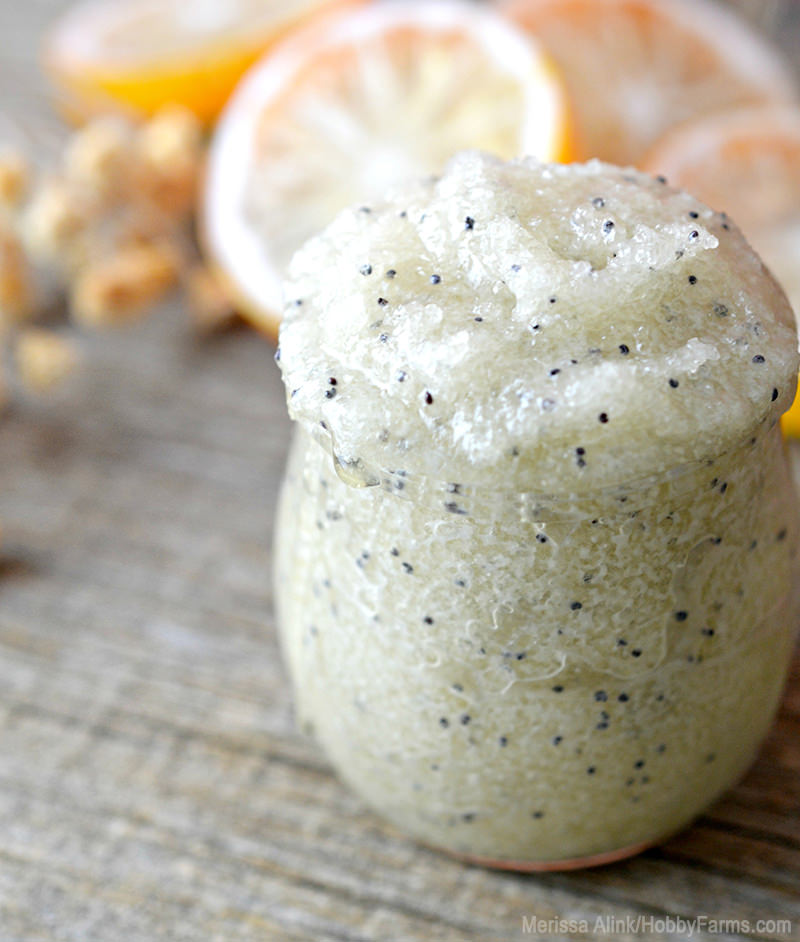
I like to use this Lemon Poppy Seed Lip Scrub to help my lips heal. The smell is invigorating, and the gentle scrub will help refresh your skin for spring. It’s easy to make and just uses a few items that you already have in your pantry. A word of caution: Because of the lemon juice, avoid using this scrub on broken skin.

Ingredients

  • 2 T. coconut oil, melted
  • 1/2 tsp. honey
  • 1 tsp. fresh lemon juice
  • 1/2 cup sugar (any type, as long as it’s finely ground)
  • 1/2 tsp. poppy seeds

Preparation

In a small bowl, mix together the melted coconut oil and honey. Juice a lemon, and add the amount of lemon juice to the mixture.

Add in the sugar and the poppy seeds. Mix well so all the sugar is coated with the liquids.

Place the scrub in an air-tight container, and store in a cool area until ready to use. If you don’t plan on using it for a while, consider keeping it in the fridge.

Use Your Scrub

Lemon Poppy Seed Lip Scrub - Photo by Merissa Alink (HobbyFarms.com) #sugarscrub #diy

To use the lip scrub, gently rub a small amount on your lips in a circular motion. You can also use this scrub anywhere on your body that needs to exfoliated, such as your hands. If you want to try other sugar scrub recipes, head over to LittleHomeLiving.com, where I have recipes for a super-easy Gardener’s Hand Scrub and homey, comforting Cinnamon Vanilla Bean Body Scrub.

Scrubs are simple to make and they are a perfect way to gently exfoliate your skin to prepare it for another season or just to keep it healthy. I love them because they take only minutes to make and cost very little compared to their store-bought counterparts. Win win!

Get more DIY body care recipes from HobbyFarms.com:

Merissa Alink at The Craft Hub
About Merissa Alink
Merissa Alink believes in making the most with what you have. She blogs about simple living, modern homesteading, and from-scratch recipes at Little House Living and joins us each month on The Craft Hub with sewing projects you can incorporate into your own home. 

« More of The Craft Hub »